
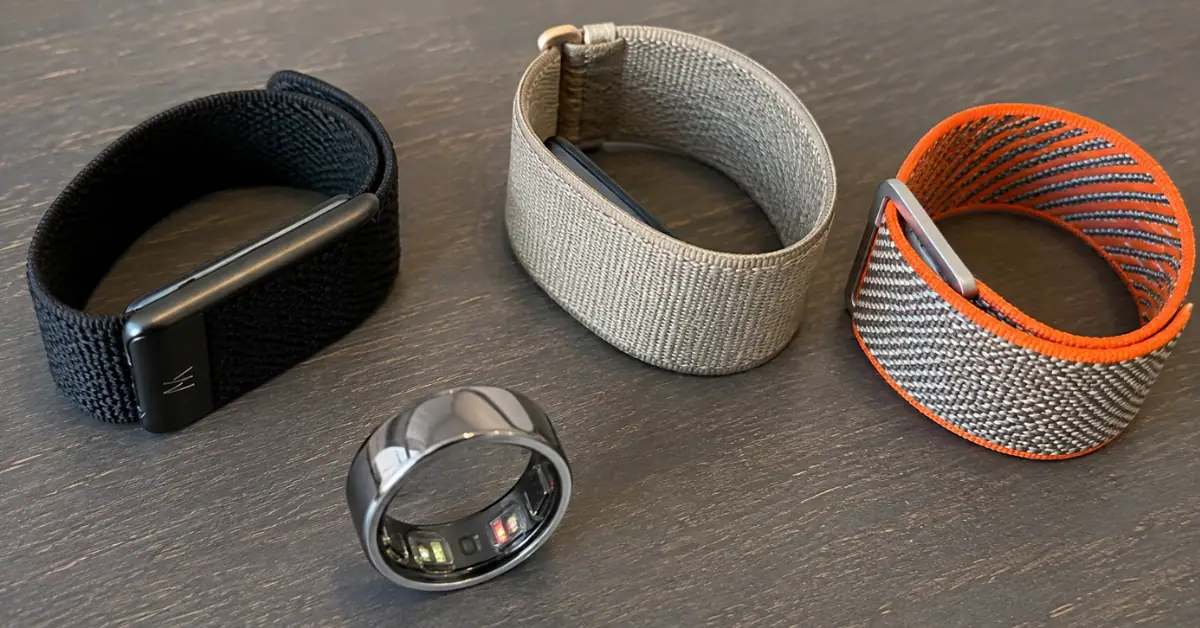
Eight screenless trackers, one question: which one actually fits how you train, sleep and pay for things? We compared Garmin CIRQA, Amazfit Helio Strap Pro, Google Fitbit Air, WHOOP 5.0, Polar Loop, Oura Ring 5, Ultrahuman Ring AIR and RingConn Gen 3 to find out.
Quick note: the Amazfit here is the new Helio Strap Pro, a two-part HYROX system — not the original Helio Strap, so it gets treated as its own thing below.
Quick picks
- Best for runners and general training: Garmin CIRQA
- Best for strength and hybrid training: Amazfit Helio Strap Pro
- Best for recovery coaching: WHOOP 5.0
- Best battery life: WHOOP 5.0 outright, RingConn Gen 3 without a subscription
- Best subscription-free option: RingConn Gen 3
- Best value: Google Fitbit Air
- Best app and sleep insights: Oura Ring 5
Best screenless fitness trackers Quick verdict
Short on time? Here’s the recommendation without the specs.
| If you are… | Buy |
|---|---|
| A first-time buyer | Fitbit Air |
| A runner | Garmin CIRQA |
| A gym or HYROX athlete | Amazfit Helio Strap Pro |
| Recovery-focused | WHOOP 5.0 |
| Mainly after sleep tracking | Oura Ring 5 |
| Looking for the best no-subscription ring | RingConn Gen 3 |
Who should buy a band vs. a ring?
Choose a band if you:
- Run or train several times a week and want the session logged in detail
- Lift weights and want a training-load number, not just a heart-rate graph
- Want automatic workout detection that actually names the activity
- Care about heart-rate accuracy during exercise, not just at rest
- Already use Garmin, Polar or Amazfit and want your data in one place
Choose a ring if you:
- Mainly care about sleep, recovery and everyday health trends
- Don’t like the feel of anything on your wrist, day or night
- Want the lightest, most forgettable device on this list
- Don’t do structured workouts often enough to need training software
- Already wear a normal watch and don’t want a second thing on your wrist
Already invested in an ecosystem?
If you already own a watch or app from one of these brands, that usually settles the decision before specs even come into it — your history, streaks and training data stay in one place.
| Already use… | Best choice |
|---|---|
| Garmin | Garmin CIRQA |
| Fitbit / Google | Fitbit Air |
| Polar | Polar Loop |
| Amazfit / Zepp | Amazfit Helio Strap Pro |
| No existing ecosystem | RingConn Gen 3 or Ultrahuman Ring AIR |
Price and subscription cost
Six of these eight devices never charge you anything after you buy them. WHOOP is the exception worth flagging up front — you can’t buy the hardware outright, so a membership starting at $199 a year is mandatory from day one.
| Device | List price | Subscription | 3-year total |
|---|---|---|---|
| Google Fitbit Air | $99.99 | Optional ($9.99/mo) | $99.99 |
| Garmin CIRQA | $199.99 | Optional ($6.99/mo) | $199.99 |
| Polar Loop | $199.99 | None | $199.99 |
| Amazfit Helio Strap Pro | $199.99 | None | $199.99 |
| Ultrahuman Ring AIR | $349 | None | $349 |
| RingConn Gen 3 | $349 | None | $349 |
| Oura Ring 5 | $399–$499 | Required ($5.99/mo or $69.99/yr) | ~$609 |
| WHOOP 5.0/MG | Bundled with membership | Required, from $199/yr | From $597 |
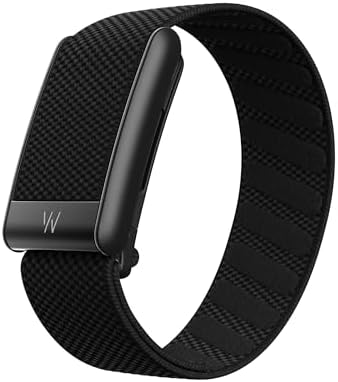


WHOOP and Oura only pay off if you’re actually using the software they’re charging for. Everything else here is a one-time cost.
Strengths and weaknesses at a glance
| Device | Biggest strength | Biggest weakness |
|---|---|---|
| Garmin CIRQA | Deep training tools without a required fee | Costs twice as much as Fitbit Air |
| Amazfit Helio Strap Pro | Real HYROX/muscular-load tracking | Needs a compatible Amazfit watch for its best feature |
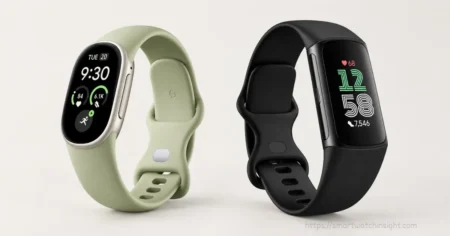
| Google Fitbit Air | Cheapest, lightest, easiest to forget you’re wearing | Workout software is the weakest of the group |
| WHOOP 5.0 | Best recovery-and-strain coaching | Subscription is mandatory, no way to opt out |
| Polar Loop | Solid recovery tools for Polar Flow users | Missing SpO2 and skin temperature |
| Oura Ring 5 | Best sleep tracking and health insight software | Most expensive over three years |
| Ultrahuman Ring AIR | No subscription, ever | Shortest battery life here |
| RingConn Gen 3 | No subscription plus best ring battery life | Workout tracking is basic |
What I’d buy
Everyone’s needs are a bit different, but if I were spending my own money today, here’s how I’d break it down.
For a closer look at how CIRQA specifically stacks up, we’ve also written dedicated breakdowns of Garmin CIRQA vs Fitbit Air and Garmin CIRQA vs WHOOP 5.0 if you’re deciding between just those two.
- Under $150: Fitbit Air. It does the basics well and there’s nothing to argue with at $99.99. If you want the fuller picture beyond screenless options, our best fitness trackers in 2026 roundup covers screened options too.
- Around $200: Garmin CIRQA. More training depth than anything else at this price — see our full CIRQA review for the hands-on details.
- Best smart ring: RingConn Gen 3. No subscription and the longest ring battery life here — an easy pick.
- Unlimited budget: Oura Ring 5. The app and sleep insights are worth paying for if cost isn’t a factor.
- Serious athlete: WHOOP 5.0. The coaching is genuinely better than anything else, subscription or not — read our WHOOP 5.0 review if you’re weighing the annual fee.
Samsung is also entering this budget category soon — see our coverage of the Samsung Galaxy Fit 4 leak for what’s confirmed so far and how it’s shaping up against Fitbit Air.
Comfort and everyday wear
Weight matters most for anything you sleep in. Fitbit Air and the three rings are light enough to forget about overnight; Polar Loop and WHOOP are heavy enough that you’ll notice them occasionally, even if it’s never a dealbreaker.
| Device | Weight | Width / sizing | Water resistance |
|---|---|---|---|
| Google Fitbit Air | ~12g | 17mm | 5 ATM |
| Amazfit Helio Strap Pro | HR sensor ~20g, waist pod 10.7g (two pieces) | 33.96 × 24.29mm (HR sensor) | 5 ATM |
| Garmin CIRQA | 20.7–21.2g | 27mm | 5 ATM |
| Polar Loop | 29g | 27mm | WR30 |
| WHOOP 5.0/MG | ~26.5g | 24mm | IP68, up to 10m |
| RingConn Gen 3 | ~2.7g | Ring, custom sizing | IP68 |
| Ultrahuman Ring AIR | ~3.6g | Ring, sizes 5–14 | Not diving-rated |
| Oura Ring 5 | 40% smaller ring body than Ring 4 | Ring, sizes 6–13, 6.09mm wide | 100m |
Correction: our CIRQA review lists the module weight alone (14.8g), which is the sensor unit without the band. The 20.7–21.2g figure here is the complete band-plus-module weight as worn, which is the number that matters for this comparison. Both figures are accurate — they’re just measuring different things.
Helio Strap Pro is two separate pieces rather than one — an arm sensor plus a waist clip — so total hardware worn is more than any single band, even though neither piece alone is heavy.
Garmin’s screenless lineup may be expanding — early leaks point to a CIRQA Smart Band Pro with a second button and speaker, though it’s not official yet.
Battery life, and why it’s not just a number
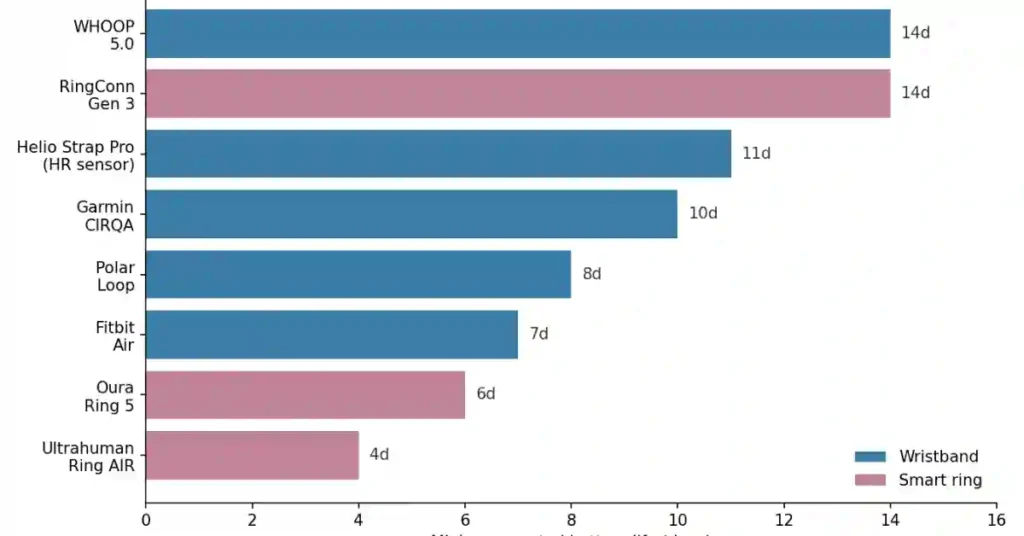
| Device | Max battery life | Charges while worn |
|---|---|---|
| WHOOP 5.0/MG | 14+ days | Yes (Peak/Life) |
| RingConn Gen 3 | Up to 14 days (150 with case) | No |
| Garmin CIRQA | 10 days | No |
| Amazfit Helio Strap Pro | HR sensor: 11 days · Waist pod: ~40 days | No |
| Polar Loop | 8 days | No |
| Oura Ring 5 | 6–9 days (up to a month with optional $99 charging case) | No |
| Google Fitbit Air | 7 days | No |
| Ultrahuman Ring AIR | 4–6 days (15 on Ring PRO) | No |
WHOOP’s charging pack matters more than the raw 14-day number suggests. Because you slide it on without removing the tracker, you never lose a night of recovery data to a dead battery — a real problem otherwise for anyone relying on WHOOP’s Recovery score every morning. Every other device here forces a gap in your data while it’s on the charger.
Oura also deserves a mention: it held battery life steady at 6-9 days despite shrinking the ring 40% this generation, which Oura credits to a rebuilt battery and firmware tuned for the smaller size.
Accuracy and health sensors
Core sensors — heart rate, HRV, respiratory rate — are standard everywhere now, so the gaps are what matter, and so is how the data gets used, not just collected.
| Device | SpO2 | Skin temperature | ECG / irregular rhythm | Sleep apnea screening |
|---|---|---|---|---|
| Garmin CIRQA | Yes | Yes | No | No |
| Amazfit Helio Strap Pro | Yes | Yes (new vs. original) | No | No |
| Google Fitbit Air | Yes | Yes | Region-dependent alerts | No |
| WHOOP 5.0/MG | Yes | Yes | MG only | No |
| Polar Loop | No | No consumer metric | No | No |
| Oura Ring 5 | Yes, plus blood pressure signals | Yes | No | No |
| Ultrahuman Ring AIR | Yes | Yes | No | No |
| RingConn Gen 3 | Yes | Yes | No | Yes |
That’s a tough sell for Polar Loop at nearly $200, when almost every rival includes both SpO2 and skin temperature as standard. RingConn is the only device here screening for sleep apnea; Oura is the only one reading blood pressure signals and flagging patterns through its new Health Radar feature.
If you’re deciding between generations rather than brands, our Oura Ring 5 vs Ring 4 comparison covers what changed.
Recovery scoring
Every device turns overnight data into a daily number, but what feeds that number differs, and that difference is what you’re actually paying for on WHOOP and Oura.
| Device | Main recovery metric |
|---|---|
| Garmin CIRQA | Training Readiness / Body Battery |
| Amazfit Helio Strap Pro | BioCharge / LifeLoad |
| Google Fitbit Air | Daily Readiness |
| WHOOP 5.0/MG | Recovery (tied to Strain) |
| Polar Loop | Nightly Recharge |
| Oura Ring 5 | Readiness score |
| Ultrahuman Ring AIR | Recovery score |
| RingConn Gen 3 | Readiness + Vascular Trend |
WHOOP’s Recovery score is designed to be read next to its Strain score, which is why people who use it tend to check both daily rather than either alone. RingConn is the only one adding a longer-term trend — Vascular Trend — instead of a single daily number.
Apple hasn’t launched a screenless tracker yet, but it’s reportedly in the works — read our full analysis of what Apple would need to beat Whoop, Fitbit Air, and Garmin Cirqa if it does.
Training and workout features
Bands and rings genuinely split into two products here.
| Device | Activity profiles | Training-load metric | VO2 max | Phone GPS pairing |
|---|---|---|---|---|
| Garmin CIRQA | 80+ | Training Status | Yes | Yes |
| Amazfit Helio Strap Pro | 60+ | LifeLoad (HYROX muscular load, watch required) | Yes | Yes |
| Google Fitbit Air | Limited | Cardio Load | Yes | Yes |
| WHOOP 5.0/MG | 145+ | Strain | Yes | Yes |
| Polar Loop | Polar Flow profiles | Training Load Pro | Yes | Yes |
| Oura Ring 5 | Live workout tracking (new) | Not a core focus | No | No |
| Ultrahuman Ring AIR | Basic tagging | Not a core focus | No | No |
| RingConn Gen 3 | Basic tagging | Not a core focus | No | No |
Helio Strap Pro’s waist module tracks muscular load per station, but only inside HYROX modes and only with a compatible Amazfit watch — outside that, it behaves like a normal HR strap. Oura Ring 5 is the first ring here that can start and track a workout live from the app.
Considering the CIRQA? A few early buyers have reported sync hiccups after charging — nothing serious, and our CIRQA sync fixes guide walks through the solution.
Frequently asked questions
Are screenless fitness trackers more accurate than smartwatches?
Not automatically. Accuracy comes down to the sensor and algorithm, not whether there’s a screen. Several devices here, like Garmin CIRQA and WHOOP, use the same sensor technology as their screened counterparts.
Can a smart ring replace a Garmin watch?
Not for structured training. Rings don’t currently offer activity profiles, training load or VO2 max, which is what a Garmin watch is built around. They’re better as a sleep and recovery companion alongside a watch, not a replacement for one.
Which screenless tracker has no subscription?
Garmin CIRQA, Amazfit Helio Strap Pro, Google Fitbit Air, Polar Loop, Ultrahuman Ring AIR and RingConn Gen 3 all work fully without any ongoing fee.
Are screenless trackers good for weight lifting?
Garmin CIRQA and Amazfit Helio Strap Pro are the strongest choices, with training-load metrics built around structured sessions. The three rings only offer basic workout tagging, so they’re weaker for logging sets and reps.
Which tracker has the longest battery life?
WHOOP 5.0 leads at 14-plus days, and it’s the only device you can recharge without taking it off. RingConn Gen 3 matches that number without a subscription.
Can you swim with a screenless fitness tracker?
Most of them, yes. Garmin CIRQA, Amazfit Helio Strap Pro, Google Fitbit Air and Ultrahuman Ring AIR are all rated to 5 ATM or similar, and Oura Ring 5 is rated to 100 meters. Check individual ratings before diving or swimming laps, since depth ratings vary.
Do smart rings track workouts automatically?
Some do, with limits. Oura Ring 5 can now track a workout live from the app, but Ultrahuman Ring AIR and RingConn Gen 3 mostly rely on basic tagging rather than automatic detection.
Which is better for sleep: Oura or WHOOP?
Oura is generally considered the stronger pure sleep tracker, with more detailed staging and a longer track record on sleep-specific research. WHOOP treats sleep as one input into its broader Recovery score rather than a standalone focus.
So which one should you buy?
If you mainly train, Garmin CIRQA is the easiest recommendation — it brings Garmin’s proven fitness ecosystem into a screenless design without forcing a subscription.
If recovery is your priority, WHOOP still offers the deepest coaching, but only if you’re comfortable paying every year.
For buyers who simply want sleep tracking and everyday health insight without ongoing costs, RingConn Gen 3 delivers the strongest overall value, while Fitbit Air remains the obvious budget choice.
Prices, battery life figures and subscription costs reflect manufacturer listings at the time of writing and can change — check each brand’s official store before buying.
Another cheap screenless pick is Google’s Fitbit Air, which I compare with the Edge.