
July 21 Update — it’s official. Garmin’s product page for the Cirqa just went live: $199.99, orders open July 24, no subscription required. That’s not a leak anymore — that’s the listing. I’ve rewritten this whole post around it, including one thing I got wrong: I’d told cyclists not to expect Edge compatibility. Turns out Cirqa broadcasts heart rate over ANT+ straight to your Edge. My bad — fixed below.
If you’re choosing between a Whoop renewal and this, here’s the short version: at $200 with nothing required on top, Cirqa now costs less than one year of Whoop. Everything below walks through why that matters and where Whoop still wins.
Quick Verdict
| Garmin CIRQA | Whoop 5.0 | |
|---|---|---|
| Price | $199.99, one-time | $0 hardware |
| Subscription | None required | $239/year required |
| Battery life | Up to 10 days | 14+ days |
| Best for | Existing Garmin users | Non-Garmin users wanting mature coaching |
Garmin CIRQA Smart Band — $199.99, no subscription required Buy on Amazon
WHOOP 5.0/MG Activity Tracker – 12 Month Membership — Health and Fitness Wearable, 24/7 Activity and Sleep Tracker, Personalized Coaching Buy on Amazon
Break-even point: Day one. At an official $199.99 with no required subscription, Cirqa already undercuts a single year of Whoop membership ($239). 5-year saving with Cirqa over Whoop: ~$995.
Not sure which fitness tracker fits your budget? We ranked every option under $100: Best Fitness Trackers Under $100 in 2026

WHOOP 5.0/MG Activity Tracker – 12 Month Membership – Health and Fitness Wearable – 24/7 Activity and Sleep Tracker, Personalized Coaching
What Just Happened — Why This Is Updated Today
The Garmin Cirqa story just moved from “leak” to “official listing,” and it happened fast.
Garmin’s product page for the Cirqa (part number 010-04675-01, one of several SKUs across sizes and colors) is now publicly live on garmin.com, showing a confirmed $199.99 price and an order-opens date of July 24, 2026.
This lines up almost exactly with the backend pricing leak from earlier this week, which had already surfaced the same $199.99 figure across eight part numbers before Garmin’s own storefront went public with it.
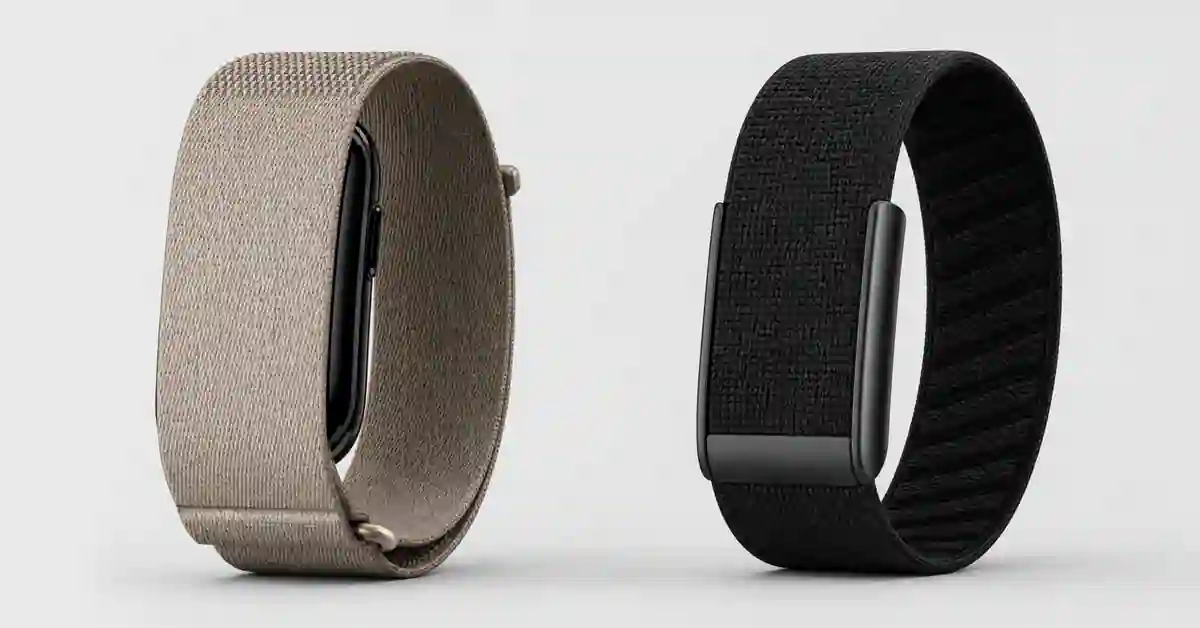
The listing confirms two sizes — S-M (fits 120–200 mm wrists) and L-XL (fits 145–240 mm wrists) — and four colors: Black, Captain Blue, French Gray, and Mauve.
Status at a glance
- ✅ Official Garmin product page is live with confirmed pricing and specs.
- ✅ Price confirmed at $199.99 USD, matching this week’s backend leak exactly.
- ✅ Order date confirmed: July 24, 2026.
- ✅ No subscription required for core features — officially stated on the product page.
- ✅ Connectivity confirmed: Bluetooth and ANT+, including HR broadcast to Garmin Edge.
- ✅ No built-in GPS — connected GPS via smartphone only, as expected.
- ⏳ Whether stress tracking uses EDA or HRV-based detection is still not specified.
- 💪 Garmin’s separate Muscle Battery feature is still expected around August 2026, unaffected by this launch.
Whoop 5.0 subscribers reaching the end of their first 12-month membership (Whoop 5.0 launched in May 2025) now have a genuinely finalized alternative to weigh their renewal against, not just a rumor.
What We Actually Know About Garmin Cirqa
Price: $199.99 USD, confirmed on Garmin’s live product page. Orders open July 24, 2026.
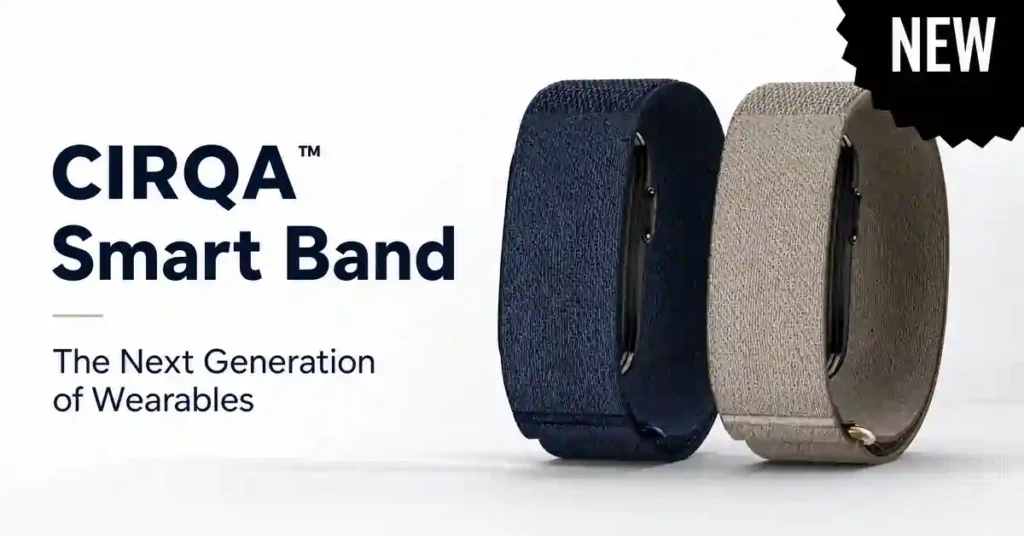
No subscription required. This is Garmin’s own marketing line for the product. Core health and fitness features work with the free Garmin Connect app.
Optional Garmin Connect+ ($6.99/month or $69.99/year) unlocks: live activities with real-time HR graphs, select Garmin Coach training plans, nutrition tracking, guided meditation and breathwork, and Garmin Active Intelligence — Garmin’s AI-powered personalized insights feature.
Sensors and health features (confirmed): constant wrist-based heart rate with high/low alerts, Pulse Ox blood oxygen (all-day and overnight), respiration rate, Body Battery energy monitoring, all-day stress tracking, HRV status, skin temperature, women’s health tracking with past ovulation estimates, Natural Cycles compatibility, sleep score with sleep coach and sleep alignment, breathing-pattern variation tracking, and nap detection.
Fitness features (confirmed): automatic activity detection, 80+ manually trackable activity profiles (including wheelchair mode), training readiness, training status, VO2 max, fitness age, workout benefit and recovery time, intensity minutes, connected GPS via smartphone, LiveTrack location sharing, and ANT+ heart-rate broadcast to compatible devices like Garmin Edge cycling computers.
Not sure the athletic framing even applies to you? We cover that angle separately in Is Garmin Cirqa Worth It for Non-Athletes?
Connectivity: Bluetooth and ANT+. No Wi-Fi listed. No built-in GPS chip — GPS speed/distance data requires a paired smartphone.
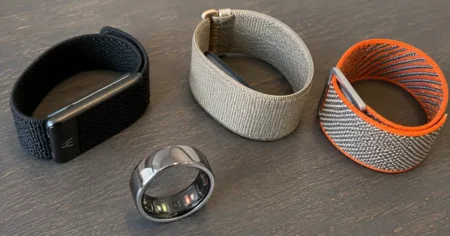
Build: fiber-reinforced polymer case, fabric ComfortFit bands with 14 mm quick-release pins on a 24 mm strap, 5 ATM water rating (swim-safe), 128 MB of memory, up to 10 days of battery life on a proprietary Garmin charger. Module weighs 14.8 g; bands add roughly 6 g depending on size.
Worth noting upfront: this is the one spec where Whoop actually wins. Whoop 5.0 and MG are both rated for 14+ days on a charge — roughly 40% longer than Cirqa’s claimed maximum. More on this comparison below.
Colors and sizes: Black, Captain Blue, French Gray, and Mauve, in S-M (120–200 mm wrist) and L-XL (145–240 mm wrist).
The one thing still not officially specified is whether the “all-day stress” feature relies on EDA (electrodermal activity) sensing — which the Canadian trademark filing hinted at — or a more conventional HRV-based approach like Whoop’s. Garmin’s page doesn’t say, so I’m leaving this open rather than guessing.
We’ve been tracking the Cirqa since it first leaked — read our dedicated coverage for the full timeline of everything confirmed so far. Garmin Cirqa Smart Band Has Launched and 1st Look.
The Subscription Math — This Is What Actually Decides It
Most comparisons focus on features. The real decision comes down to money over time — and now that the price and “no subscription required” claim are both official, this math is about as settled as it gets before launch day.
| Garmin Cirqa | Whoop 5.0 | |
|---|---|---|
| Upfront cost | $199.99 | $0 hardware |
| Year 1 subscription | $0 (Connect+ optional) | $239/year |
| Year 1 total | $199.99 | $239 |
| Year 2 total | $199.99 | $478 |
| Year 3 total | $199.99 | $717 |
| Year 4 total | $199.99 | $956 |
| Year 5 total | $199.99 | $1,195 |
Break-even: immediate. Cirqa’s entire lifetime cost is already lower than a single year of Whoop membership, and unlike the earlier leak-based estimate, this is now Garmin’s own confirmed price and its own “no subscription required” claim — not something I’m inferring. At five years, you save roughly $995 over staying on Whoop, assuming you don’t add Connect+.
If you do want the Connect+ extras (AI insights, guided breathwork, nutrition tracking, Garmin Coach), add $6.99/month on top — and Cirqa is still meaningfully cheaper than Whoop across every year in the table.
What Whoop 5.0 Gives You Today
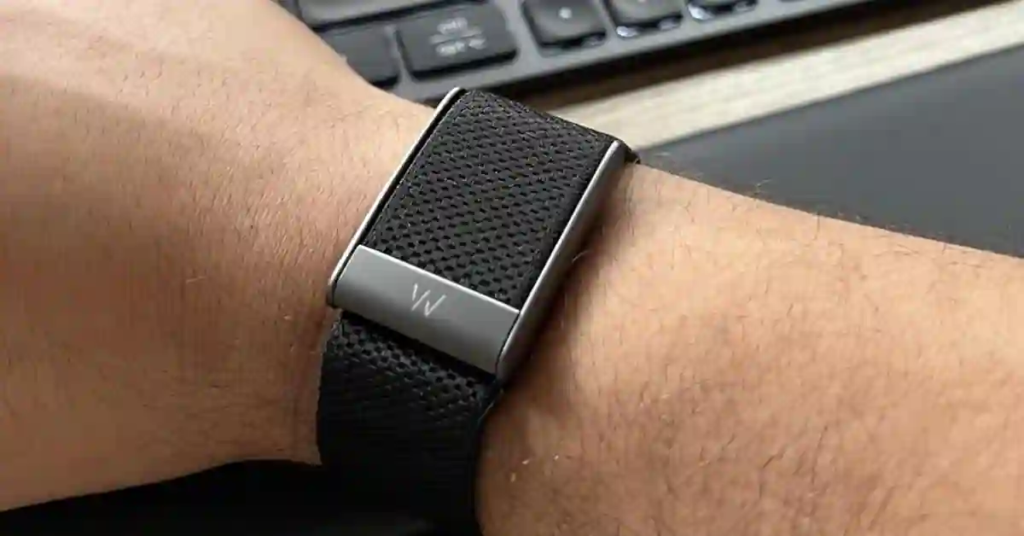
Whoop has been doing this for years, and that track record still matters — an official low price for Cirqa doesn’t erase years of Whoop’s software maturity.
The Whoop 5.0 added an optional on-body pod — a sensor you can move from your wrist to compression shorts, a sports bra, or a bicep band. For athletes who need accuracy beyond the wrist during intense training, that flexibility is genuinely useful.
What Whoop does well:
- Strain score — daily training load accumulated across the entire day in one number
- Recovery score — morning readiness based on HRV, resting heart rate, and sleep performance
- Sleep staging — detailed breakdown of light, REM, and deep sleep
- Coaching depth — the app tells you what to do with your numbers, not just what they are
- 24/7 wear — designed to be forgotten on your wrist
What Whoop does not do:
- No GPS — ever. A separate device is required for outdoor distance tracking.
- No smartwatch features — no notifications, no payments, no display
- Closed ecosystem — Whoop’s data doesn’t sync cleanly with Garmin Connect
That last point matters specifically for Garmin users. If you train with a Fenix or Forerunner, your training data lives in Garmin Connect and your recovery data lives in the Whoop app. They don’t talk to each other well, and you end up managing two separate health pictures with no unified view.
WHOOP itself is facing new competition from Apple too — see Apple Watch Ultra 4 vs WHOOP for that comparison.
What Garmin Cirqa Actually Gives You
The obvious advantage for Garmin users: everything in one place, confirmed core features with no subscription, and a price that removes most of the financial hesitation.
Training data from your Fenix + recovery data from the Cirqa + sleep data from the Cirqa = one complete picture in Garmin Connect. No second app, no manual reconciliation. Your Body Battery metric becomes more accurate because the Cirqa is capturing data while your watch is off the charger.
The ANT+ HR broadcast feature is a genuinely new piece of information: it means a Cirqa-and-Edge combo works for cyclists who want wrist-based heart rate on their bike computer without a chest strap — something I previously said wasn’t supported. That’s a real point in Cirqa’s favor for anyone already riding with an Edge.
One wrist for your Fenix or Forerunner during training. The other wrist for the Cirqa during sleep and recovery. That’s the use case Garmin appears to be building toward, and a confirmed $199.99 price with optional (not required) Connect+ fits an accessory-style pricing strategy, not a flagship one.
Is Cirqa a Whoop Competitor or a Garmin Ecosystem Accessory?
This is still the most important framing question in the Cirqa story, and the official listing reinforces it.
Cirqa is built to pair with your existing Garmin devices — automatic activity detection that you confirm in Garmin Connect, ANT+ broadcast to Edge computers, and seamless syncing across devices are all explicitly called out on the product page. This is a device designed to slot into an existing Garmin setup, not necessarily to stand alone against Whoop’s ecosystem.
For Garmin users: Cirqa as an ecosystem companion at $199.99, with no required subscription, is now about as easy a financial call as this category gets.
For non-Garmin users: Cirqa loses its main advantage. Whoop’s standalone experience, proven coaching, and zero upfront hardware cost still make more sense on their own terms — though Cirqa’s price is now low enough that trying it as a first screenless tracker isn’t a bad idea either.
If you’re switching from Whoop and run into sync problems during setup, check our CIRQA sync troubleshooting guide before assuming it’s a hardware defect.
Garmin Muscle Battery — Not the Same Thing
Don’t confuse Cirqa with the Garmin Muscle Battery. They’re completely separate products.
The Garmin Muscle Battery is tied to muscle oxygen (SmO2) sensing — a different category targeting serious endurance athletes.
It requires dedicated hardware and is expected around August 2026. The Cirqa is the recovery band. The Muscle Battery is a performance sensor. Different products, different release dates, different buyers.
Garmin Vivosmart 6 — Possible Twin Launch
The Vivosmart 6 has leaked again. With Cirqa’s official page now live and Fitbit Air having shipped in May, the coincident timing raises a reasonable question: is Garmin preparing a twin launch?
The Vivosmart 6 is expected at $150 to $180 — sitting between Fitbit Air ($99) and Cirqa’s confirmed $199.99. That’s a tight three-tier spread, all within about $100 of each other. If the Vivosmart 6 launches alongside or shortly after Cirqa, it may have a harder time differentiating itself now that Cirqa’s official price is this accessible.
You can read detail post Garmin Vivosmart 6: Built-in GPS, New Sensors, and CES 2026 Release Date
Fitbit Air — The Option Nobody Talked About Until Now
One more thing worth knowing: Fitbit Air launched at $99 in May 2026 and is available right now.
Screenless recovery tracker. No mandatory subscription. Works with Android and iPhone. Smart Wake alarm. Sleep stages, HRV, SpO2, breathing rate.
It’s less accurate than Whoop and doesn’t have Whoop’s coaching depth, and it doesn’t integrate with Garmin Connect. With Cirqa now officially priced at $199.99, the gap between Fitbit Air and Cirqa is exactly $100 — a much smaller contrast than earlier estimates suggested, and worth weighing directly rather than treating Fitbit Air as the only budget option.
For undecided buyers, the Fitbit Air is the “try before you commit” option. (Check Latest Price on Amazon)
Whoop not quite your style? We’ve also compared the Cirqa against the budget-friendly Fitbit Air — a very different price bracket, worth a look if $200+ feels steep.
Who Should Buy What — Final Decision Guide
Wait for Garmin Cirqa if: You already own a Garmin Fenix, Forerunner, or Venu — the ecosystem integration alone justifies waiting, and you can now order it starting July 24.
You resent paying $239/year to access your own body data. You’re a long-term tracker, since even a single year already breaks even. Your Whoop subscription renews in the next 60 days — you now have a firm order date and price to weigh against renewing.
Buy Whoop 5.0 now if: You don’t own any Garmin gear, so the ecosystem advantage doesn’t apply to you. You want a tracker working this week — Cirqa doesn’t open for orders until July 24. You switch devices every 12 to 18 months, and Whoop’s lower upfront cost still makes sense at that pace.
You want the best AI coaching available today — Whoop’s strain and recovery system is mature; Cirqa’s Garmin Active Intelligence AI features are gated behind Connect+ and still untested.
Consider Fitbit Air instead if: Your budget is under $150 and you want to test the screenless-tracker category before committing to either Cirqa or a Whoop subscription.
Want GPS and recovery in one device: Neither Cirqa nor Whoop is the answer — Cirqa has no built-in GPS chip, only phone-connected GPS. A Garmin Forerunner 265 or Forerunner 570 gives you GPS plus advanced health metrics in one watch. See our best Garmin running watches guide.
Cyclist who needs heart rate on a Garmin Edge: Good news — this now works. Cirqa officially supports broadcasting heart rate over ANT+ to compatible devices, including Edge cycling computers. You no longer necessarily need a separate chest strap if you’re wearing the Cirqa.
Garmin may not be done with this category — leaked app code points to a CIRQA Smart Band Pro with two buttons and a speaker, still unconfirmed.
Related Reading
- Garmin Cirqa Smart Band — 1st Look
- Best Garmin Running Watches 2026
- Garmin Fenix 9 Complete Leaks Guide
- Garmin Enduro 4 — Every Confirmed Leak
- 5 Best Screenless Fitness Trackers 2026: A Full Side-by-Side Comparison
Frequently Asked Questions
Is Garmin Cirqa out yet?
It’s officially listed on Garmin’s website as of July 21, 2026, with orders opening July 24, 2026. This is no longer a rumor or leak — it’s Garmin’s own confirmed product page.
Will Garmin Cirqa require a subscription?
No. Garmin’s product page explicitly states no subscription is required for core features. An optional Garmin Connect+ plan ($6.99/month or $69.99/year) unlocks live activities, select Garmin Coach plans, nutrition tracking, guided meditation and breathwork, and the Garmin Active Intelligence AI insights feature.
How much will Garmin Cirqa cost?
$199.99 USD, confirmed directly on Garmin’s official product page — matching the backend pricing leak from earlier this week almost exactly. Orders open July 24, 2026.
Does Garmin Cirqa have GPS?
Not built in. It uses connected GPS via a paired smartphone for distance and pace during outdoor activities. There’s no standalone GPS chip in the device itself.
Can Garmin Cirqa pair with a Garmin Edge as a heart rate monitor?
Yes — this is now confirmed. Cirqa can broadcast heart rate over ANT+ to compatible devices, including Garmin Edge cycling computers, so you can see real-time HR on your bike computer without a separate chest strap.
Is Whoop worth it in 2026?
For non-Garmin users who want coaching-driven recovery tracking with no upfront hardware cost — yes. For existing Garmin users, Whoop creates a two-app problem with no unified data view, and Cirqa’s official $199.99 price with no required subscription makes that trade-off even harder to justify now.
Should I cancel my Whoop subscription and wait for Cirqa?
If your renewal is coming up in the next 60 days and you already own a Garmin watch, yes — seriously consider it. Cirqa’s price, no-subscription-required core, and July 24 order date are now all confirmed, so this is a much lower-risk wait than it was even a few days ago.
How does Garmin Cirqa compare to Oura Ring?
Oura Ring uses finger-based sensing at a $5.99/month subscription — less obtrusive and arguably better for sleep specifically. Cirqa is wrist-based, integrates with Garmin Connect, includes ANT+ broadcast for cyclists, and — with no subscription required for core features — costs less over time than Oura’s ongoing subscription. Garmin users should lean toward Cirqa; non-Garmin users should evaluate both on their own terms.
Written by Sunil Bhatt — founder of SmartWatchInsight. Cirqa specs and pricing in this piece are sourced directly from Garmin’s official product page as of July 21, 2026. This page will be updated again after the July 24 order date and following Garmin’s full public launch announcement.
……………………………………….