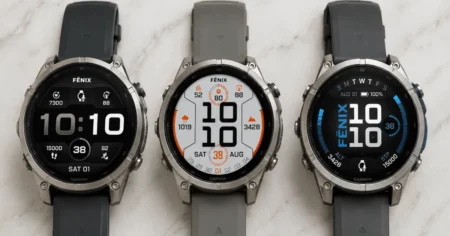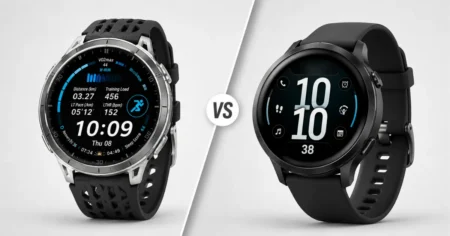

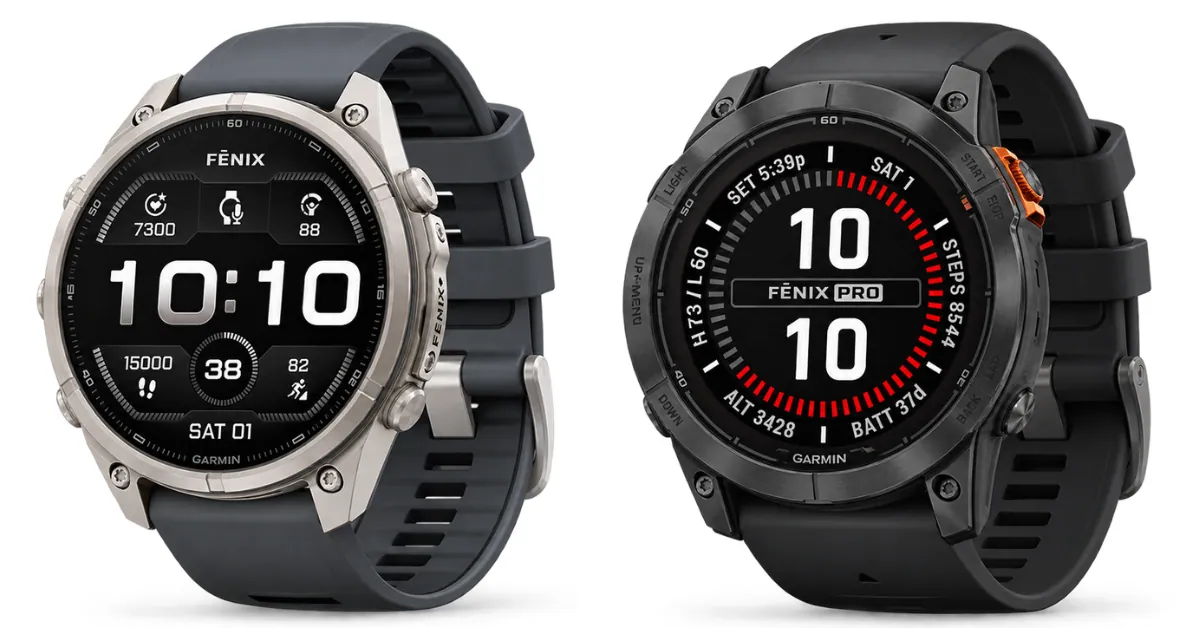
Quick answer: Fenix 7 owners have a strong reason to upgrade. Fenix 7 Pro owners? I’d wait unless you specifically want the Fenix 9’s new display, extra storage, or phone-free connectivity. The Fenix 9 isn’t just a routine refresh: it brings a much brighter AMOLED display, 64GB of storage, improved training and navigation features, and—on Pro models—built-in LTE and satellite communication through inReach.
But there’s an important catch. Fenix 7 Pro already fixed many of the original Fenix 7’s biggest gaps, including ECG, a newer heart-rate sensor, and an integrated LED flashlight. So while the Fenix 9 is a better watch overall, that doesn’t automatically make it a better upgrade for every Fenix 7 owner.
Here’s where the upgrade actually makes sense—and where your money is better left in your pocket.
Quick Overview
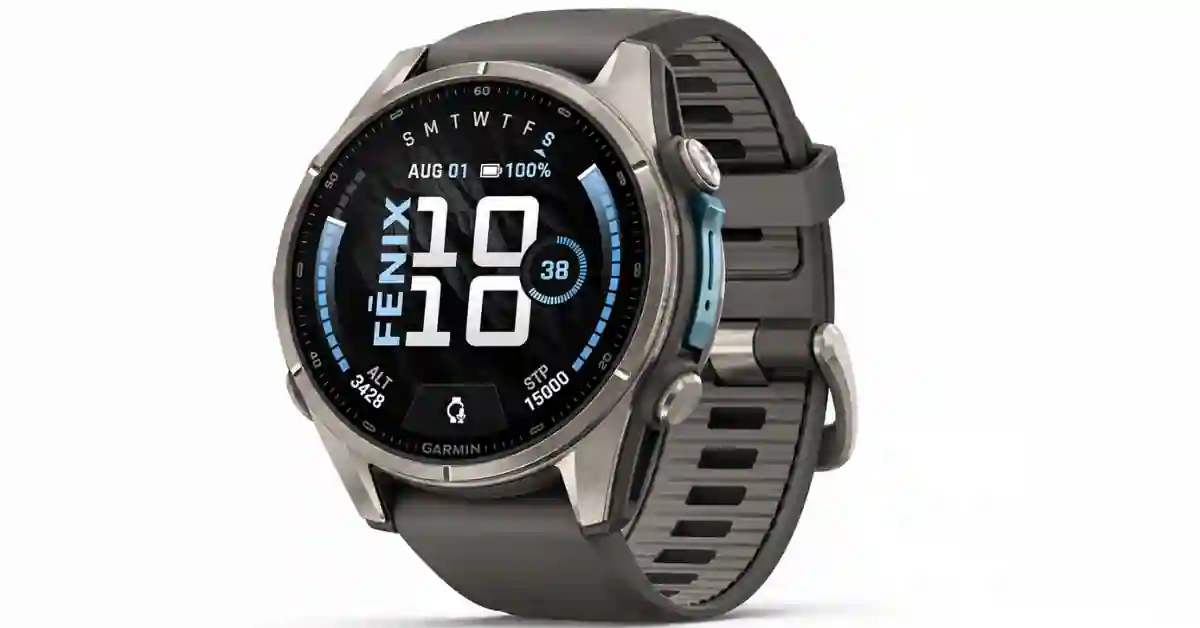
Garmin Fenix 7 — Still sold new at a discount (Fenix 7 Pro variants) — From $649.95(on Amazon) — MIP display, 3 sizes
Garmin Fenix 9 — Available now — From $999.99 (base) / $1,099 (Pro) — AMOLED, 3 sizes
The Fenix 9 and Fenix 9 Pro officially launched together on August 25, 2026, at Garmin’s “Play Harder” event — the first time in this comparison either watch’s specs come from confirmed official listings rather than projections.
If you decide to upgrade, our Fenix 9 size and tier buying guide covers which of the nine configurations actually fits you.
Full Specs Comparison
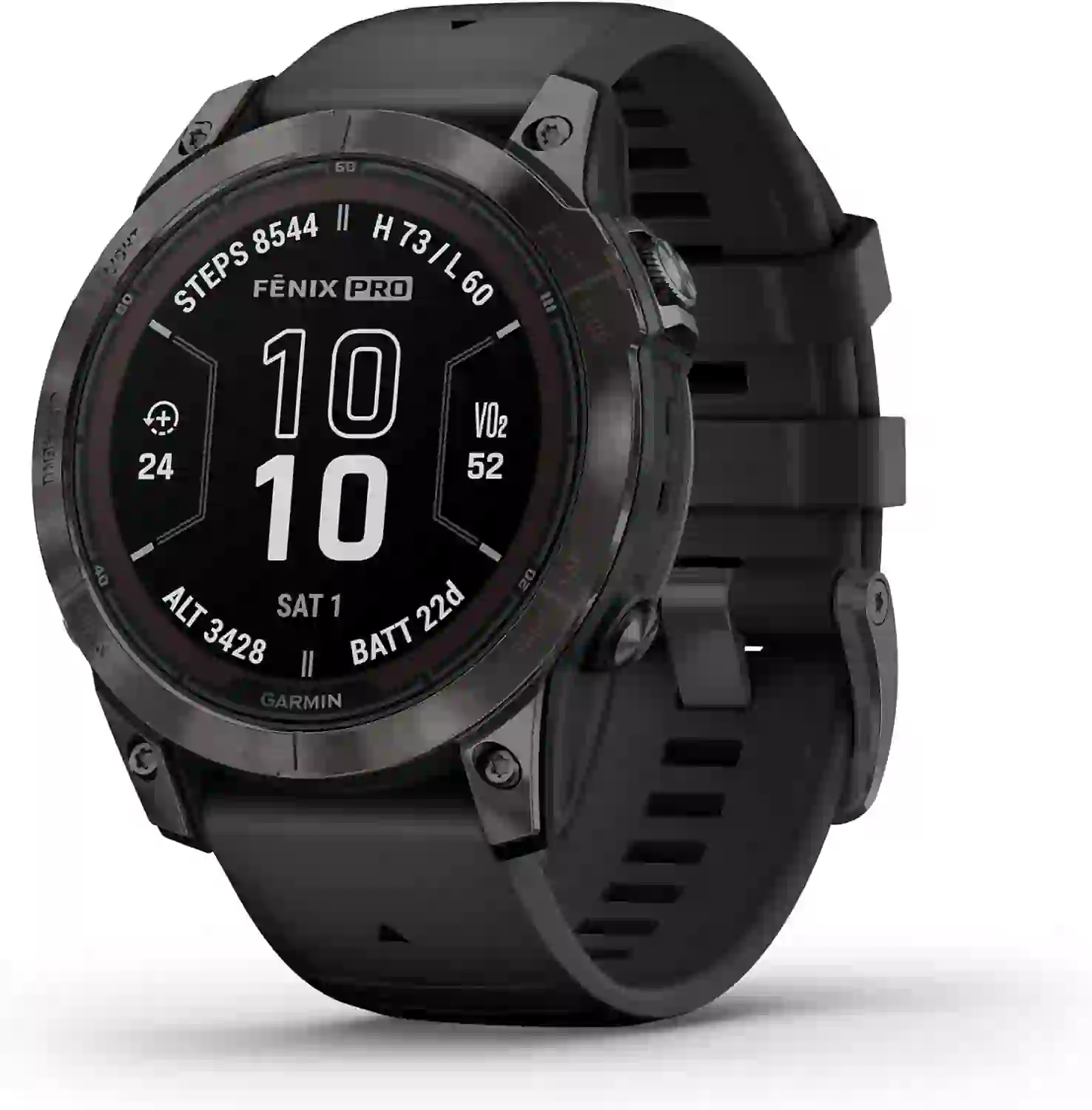 |  | |
|---|---|---|
| Spec | Fenix 7 (2022) | Fenix 9 (Confirmed) |
| Price | $699.99 (base, 47mm) launch price | $999.99 (43mm/47mm base), $1,099.99 (51mm base); Pro from $1,099 (43/47mm AMOLED), $1,199 (51mm) |
| Display | 1.3″ MIP transflective, touch + 5-button | AMOLED across the board; Pro AMOLED hits 3,000 nits — over 2x brighter |
| Battery — Smartwatch (47mm, no solar) | Up to 18 days | Up to 16 days |
| Battery — Largest size, Solar/Pro Solar, power-saving mode | Up to 90 days (51mm 7X Solar, Battery Saver mode) | Up to 291 days (51mm Pro Solar, power-saving mode, with solar charging under Garmin’s stated solar conditions) |
| Storage | 16GB (original) / 32GB (Fenix 7 Pro) | 64GB |
| Heart Rate | Elevate 4 | Elevate 5 sensor — a real generation newer |
| ECG | ❌ Not at launch; added later on supported models/regions via firmware | ✅ Included at launch |
| Flashlight | ❌ Not on standard 7/7S; ✅ on 7X only | ✅ Tri-color LED, confirmed on Pro models per Garmin’s official spec sheet |
| Satellite Messaging | ❌ Not available at any price | ✅ Available as a Pro-tier configuration (inReach), +$100 vs. non-inReach Pro pricing; requires a separate active inReach subscription to use |
| Multi-band GPS | Sapphire Solar trims only | Included across the lineup |
| Water Resistance | 10 ATM | 10 ATM, retained |
Note: the original Fenix 7 launched in three sizes (7S/7/7X). Only the 7X had a built-in flashlight at launch; the 7S and standard 7 did not. The Fenix 7 Pro refresh brought the flashlight to all three sizes.
Display
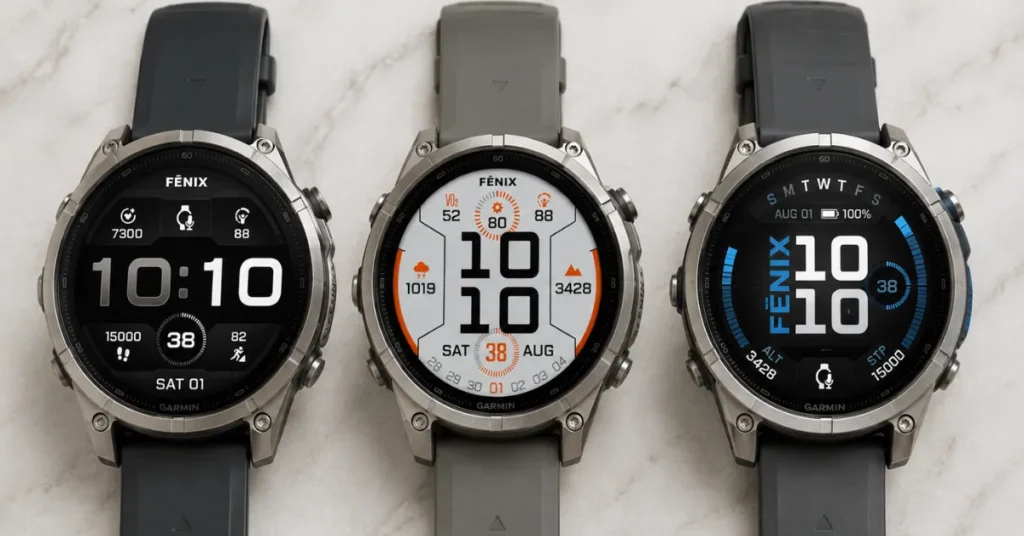
The Fenix 7’s MIP screen was a deliberate trade-off when it launched — no backlight glow, exceptional sunlight readability, and the main reason its battery life is still competitive four years later. What it sacrifices is color vibrancy and screen pop; next to a modern AMOLED panel, it looks flat and utilitarian.
The Fenix 9 moves to AMOLED across the entire lineup, and Garmin’s official spec sheet confirms the Pro AMOLED tier hits 3,000 nits — more than double the brightness of the outgoing Fenix 8’s already-strong display, and a far bigger jump over the Fenix 7’s MIP panel.
If you’ve ever struggled to read the Fenix 7’s screen indoors under weak lighting, or just want maps and data fields that look genuinely modern, this is the single most noticeable change in this entire comparison. We cover this same brightness jump in more depth, including how it compares to the outgoing Fenix 8, in our Garmin Fenix 9 vs Fenix 8 breakdown.
Display — Fenix 9 Wins, Clearly This isn’t a marginal software refinement — it’s a full display technology change. MIP’s sunlight-readability advantage still exists at the margins, but for most day-to-day use, AMOLED’s brightness and color depth are the bigger real-world win.
Battery Life
This is the one category where the Fenix 7 doesn’t simply lose. At the 47mm size with no solar, the original Fenix 7 does up to 18 days in smartwatch mode; the Fenix 9 at the same size does 16 days.
AMOLED costs a little battery even with Garmin’s efficiency gains, and if you bought the Fenix 7 specifically for its battery life, the base Fenix 9 is a small step back, not forward.
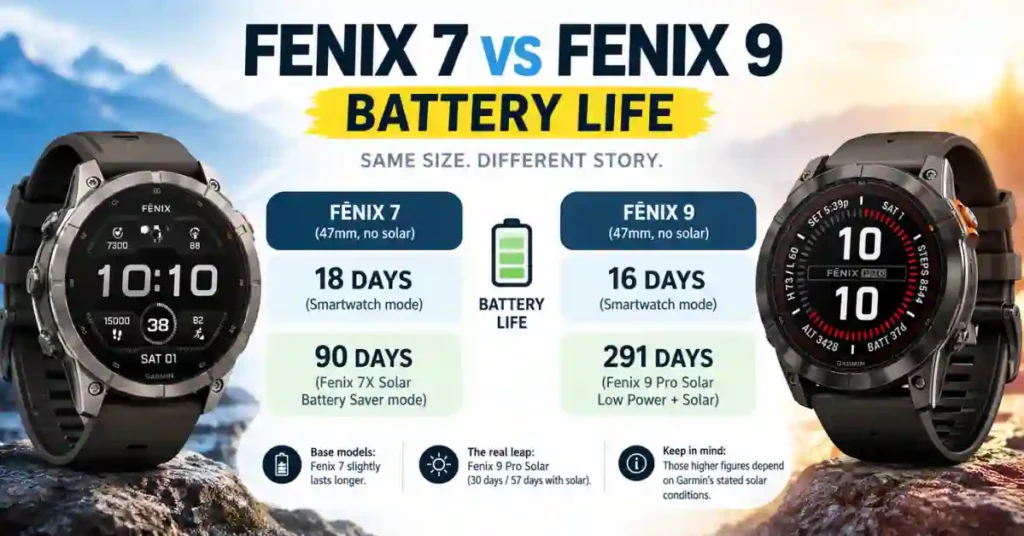
Where the story flips completely is the Pro Solar tier. Garmin rates the Fenix 9 Pro Solar (51mm) for up to 291 days in power-saving mode — that figure assumes solar charging under Garmin’s stated conditions, not battery alone — compared to the original Fenix 7X Solar’s already-strong 90-day Battery Saver rating at the same size.
If extreme battery life for expedition use is what you care about, nothing in the old Fenix 7 lineup comes close, and it’s worth a look at our best rugged smartwatches roundup for how it stacks up against Coros and other endurance-focused rivals too.
Battery — Split Decision – At the base level, the Fenix 7 actually has a slight edge: Garmin rates the 47mm model for up to 18 days in smartwatch mode, compared with 16 days for the 47mm Fenix 9. The real battery-life leap comes with the Fenix 9 Pro Solar, which reaches up to 30 days in smartwatch mode on the 51mm model, or 57 days when solar charging conditions are met. So if battery life is your priority, the Fenix 9 only becomes a clear upgrade once you move into the Pro Solar tier—and even those higher figures depend on Garmin’s stated solar conditions.
Storage & Software
The original 2022 Fenix 7 shipped with 16GB of storage — tight if you load multiple offline map regions or a large playlist for long expeditions. The Fenix 7 Pro doubled that to 32GB at launch, matching what the Fenix 8 later shipped with. The Fenix 9 goes further still, to 64GB.
So the real jump depends on which watch you own: original Fenix 7 owners get a full 4x increase (16GB → 64GB); Fenix 7 Pro owners get a more modest 2x (32GB → 64GB) — still useful, but nowhere near as dramatic as some comparisons imply.
Garmin also adds Garmin Epic on the Fenix 9 — a multi-day activity story feature that combines photos and stats from extended trips — something neither Fenix 7 version supports, regardless of storage.
Storage — Fenix 9 Wins, But the Margin Depends on Your Watch A clear win either way, but a much bigger one if you’re still on the original 16GB Fenix 7 than if you already upgraded to the 32GB Fenix 7 Pro. Garmin Epic is the one storage-adjacent feature no Fenix 7 can get regardless.
Satellite Messaging
The original Fenix 7 has zero satellite capability — if you wanted that, you needed a separate Garmin inReach device entirely. The Fenix 9 Pro tier changes this by offering an inReach configuration that builds satellite messaging directly into the watch, at any of the three sizes, for $100 more than the non-inReach Pro price.
Using the satellite features requires a separate, ongoing inReach subscription — the $100 gets you the hardware/configuration, not the service itself.
This is a genuinely new capability, not a refinement of something the Fenix 7 already partially did. For backcountry users who currently carry a separate satellite communicator alongside their watch, this is the strongest single reason to consider the Fenix 9 Pro inReach specifically.
Satellite — Fenix 9 Wins by Default The Fenix 7 simply has no answer here at any price. If built-in satellite messaging matters to you, this feature alone settles the comparison regardless of anything else on this page — just budget for the ongoing subscription, not only the $100 hardware premium.
Considering a jump outside the Garmin ecosystem entirely for this feature? See our Fenix 9 vs Apple Watch Ultra 4 comparison.
Prefer Android? Read Fenix 9 vs Samsung Galaxy Watch Ultra 2 instead.
Health & Training Analytics
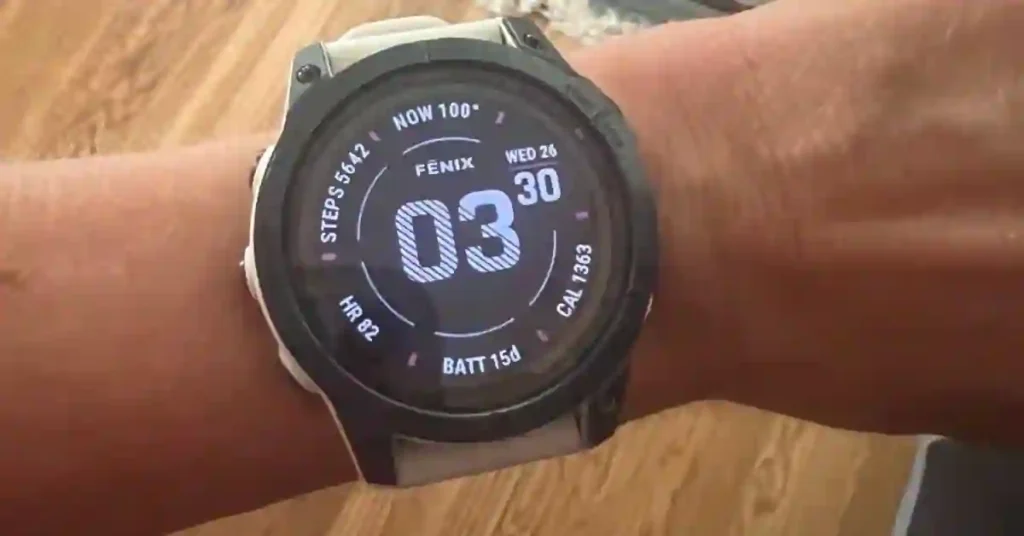
Here’s where the picture gets more complicated than most comparisons admit. The original 2022 Fenix 7 launched without ECG — Garmin added it on supported Fenix 7 models and regions through a later software update, so many (though not necessarily all) Fenix 7 units in daily use now have it.
Body Battery, Pulse Ox, HRV status, and stress tracking were already present on the Fenix 7 at launch and remain functionally similar on the Fenix 9.
The one confirmed sensor-level change is the HR chip itself — the Fenix 9 uses the Elevate 5 sensor, one generation newer than the Fenix 7’s Elevate 4. Garmin hasn’t published independent accuracy benchmarks comparing the two, so treat this as a hardware upgrade rather than a proven measurable accuracy gain.
Want Garmin’s core health platform without Fenix pricing? Our Garmin Venu 4 review covers a watch with Body Battery, Training Readiness, and ECG at a fraction of the cost.
Health Tracking — Modest Win for Fenix 9 Less dramatic than the display or storage story. If your Fenix 7 is on current firmware and in a supported region, you likely already have ECG and most of the core health metrics the Fenix 9 offers. The newer HR sensor is a genuine (if unverified in real-world testing) upgrade, not a night-and-day difference.
What About the Fenix 7 Pro?
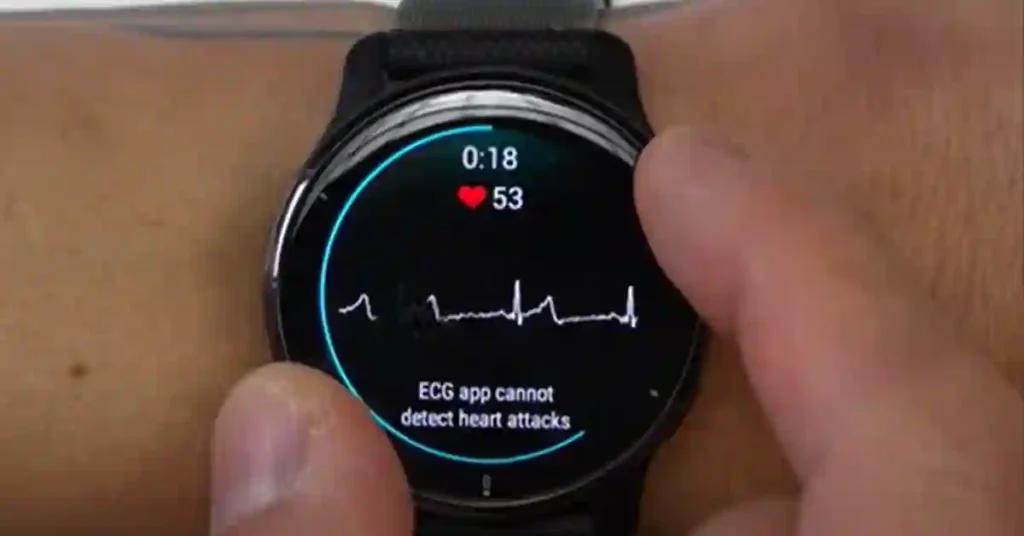
The Fenix 7 Pro complicates this comparison significantly, the same way the Fenix 8 Pro complicated our Fenix 9 vs Fenix 8 breakdown. Launched in May 2023, the Fenix 7 Pro added:
- A built-in flashlight across all three sizes — previously exclusive to the 7X
- ECG and Hill Score/Endurance Score included at launch, not retrofitted later
- Solar charging standard on every model, not just higher trims
- Multi-band GPS extended to all trims, not just Sapphire Solar
- Storage doubled to 32GB, matching what the Fenix 8 later shipped with
- Battery life of up to 18 days smartwatch mode (22 days with solar) at 47mm Sapphire Solar, and up to 40 days in Expedition GPS mode (74 days with solar) — per Garmin’s official spec sheet for that configuration
If you own a Fenix 7 Pro, several of the “wins” above shrink considerably. You already have ECG, a flashlight, and 32GB of storage. Your 47mm Sapphire Solar battery life (18–22 days) is at least comparable to, and with solar ahead of, the Fenix 9 base model’s 16 days.
The comparison narrows down to what the Fenix 7 Pro genuinely still can’t do: hit AMOLED-level brightness, double its storage again to 64GB, and connect to satellites.
If your Fenix 7 Pro is having GPS lock or connectivity issues that are muddying your decision, rule those out first with our Garmin GPS troubleshooting guide — a software fix is a lot cheaper than a new watch.
Fenix 7 Pro Owners — This Is a Genuinely Closer Call Don’t assume you’re starting from the same place as an original Fenix 7 owner. You’re not. Check the recommendation table below for your specific situation.
If your actual frustration is recovery and sleep tracking rather than the watch itself, it’s also worth knowing Garmin now sells the Cirqa screenless recovery band as a $199.99 companion device — you could keep your Fenix 7 Pro for training and add Cirqa for 24/7 tracking instead of replacing the watch entirely.
Recommendation by Situation
| You own… | My recommendation |
|---|---|
| Original Fenix 7 (7S or 7, no flashlight) | Upgrade |
| Original Fenix 7X (has flashlight, no ECG at launch) | Consider upgrading — you already have the flashlight, but not AMOLED, 64GB storage, or satellite |
| Fenix 7 Pro (any size) | Wait, unless one of the reasons below applies to you |
| Fenix 7 Pro with a visibly degraded battery | Upgrade — a worn battery changes this math regardless of generation |
| Need built-in satellite communication | Fenix 9 Pro (inReach configuration) — no Fenix 7 version offers this |
| Want AMOLED brightness specifically | Upgrade — this is a real, confirmed generational leap |
| Want maximum expedition battery life | Compare the specific Pro Solar SKU — the 291-day figure assumes solar charging conditions, not battery alone |
| Happy with MIP display and your current feature set | Keep your Fenix 7 (either version) |
Still weighing this against other outdoor watches rather than just the Fenix 9? Our best Garmin watches for runners guide is worth a look before you commit.
Waiting for the true ultra-endurance successor instead? Check our Garmin Enduro 4 leaks coverage.
Price: What You’ll Actually Pay After Trade-In
The Fenix 9’s roughly $999.99–$1,299.99 range (depending on tier and inReach) looks steep next to the Fenix 7’s original $699.99 launch price — but most upgraders will be selling their old watch, which changes the real math.
Editorial estimate, not pulled from live marketplace data — treat these as a starting point, not a quote:
| Rough resale value* | |
|---|---|
| Fenix 7 (original, used, good condition) | ~$250–$350 |
| Fenix 7 Pro (used, good condition) | ~$350–$450 |
| Fenix 7X Pro Sapphire Solar (used, good condition) | ~$400–$550 |
*These are rough, editorial ranges based on typical secondhand marketplace patterns (eBay, Swappa, Facebook Marketplace) as of late 2026, not a live pull from current listings.
Before selling or budgeting around a number, check current completed (not just active) listings for your exact model, size, and trim — resale value swings meaningfully with condition and demand.
Illustrative example: Fenix 9 base (47mm) at $999.99, minus roughly $300 from selling a used original Fenix 7, brings your estimated out-of-pocket cost to around $700 — closer to what the Fenix 7 cost brand new back in 2022 than the sticker price suggests. Treat this as a rough guide, not a guarantee.
Garmin Fenix 9, DLC Titanium, 47mm — base AMOLED, from $999.99 Buy on Amazon — the pick if you’re upgrading from an original Fenix 7 and don’t need satellite messaging.
Garmin Fenix 9 Pro, Titanium, 47mm — AMOLED, from $1,099 Buy on Amazon — the pick if you want the Pro-tier upgrade path (satellite messaging available as an add-on configuration).
Fenix 7 Pro is still a legitimate current option if you’re not ready to jump — and it’s currently discounted:
Garmin Fenix 7X Pro Solar, 51mm, Built-in Flashlight, — $649.95 (28% off $899.99 on Amazon)
Garmin Fenix 7X Pro Sapphire Solar, 51mm, Solar Charging – $689.99 (31% 0ff $999.99 on Amazon)
(Prices and discounts change — verify current price and add your affiliate tag before publishing. Confirm the second ASIN’s exact size/trim before featuring it.)
Final Verdict
The honest summary: the Fenix 9 is a clear upgrade over the original 2022 Fenix 7, and a much narrower one over the 2023 Fenix 7 Pro. Display brightness, storage, and satellite messaging are real, confirmed advantages regardless of which Fenix 7 you own.
Battery life at the base tier and core health sensors are a closer call — and for Fenix 7 Pro owners specifically, several features Garmin markets as new on the Fenix 9 have already been sitting on their wrist since 2023.
If you own the original Fenix 7 — upgrade. The combination of display, storage, satellite access, and current-model status makes this an easy call, especially once resale value brings your estimated real cost close to $700.
If you own a Fenix 7 Pro — wait, unless AMOLED brightness or satellite connectivity specifically matters to you. You’re not upgrading from an outdated watch; you’re upgrading from a genuinely current one.
If your battery is degraded on either version — upgrade regardless of the above. A worn battery pack changes this math more than any spec on this page.
FAQ
Is the Garmin Fenix 9 worth upgrading to from a Fenix 7?
Yes if you have the original 2022 model — the display, storage, and satellite improvements are substantial. Less clearly yes if you have the 2023 Fenix 7 Pro, which already has ECG, a flashlight, and strong battery life.
How do I know if I have the original Fenix 7 or the Fenix 7 Pro?
Double-tap the upper-right button. If a flashlight turns on, you have either the Pro model or the original 7X. Check Settings > About on the watch for the exact model name to confirm which.
Does the original Fenix 7 have ECG now?
On supported models and in supported regions, yes, via a later firmware update — but this isn’t guaranteed for every unit. Check Garmin Connect for pending updates, and see our complete guide to resetting any Garmin watch if a reset is needed to get updates flowing again.
What’s the single biggest reason to upgrade no matter which Fenix 7 I have?
Satellite messaging. It’s the one capability no Fenix 7 version can get through firmware — it requires the Fenix 9 Pro inReach hardware, plus an active subscription to use.
What’s my old Fenix 7 actually worth if I sell it?
Roughly $250–$450 depending on model, trim, and condition — this is a rough editorial estimate, not live data. Check current completed listings on eBay or Swappa for your exact model before assuming a number.
Should I consider a discounted Fenix 8 instead of the Fenix 9?
Worth it if budget matters more than having the newest generation — the Fenix 8 already has AMOLED and should keep dropping in price. See our Fenix 9 vs Fenix 8 comparison for that trade-off.
Related Reading
- Garmin Fenix 9 vs Fenix 8 (2026): Is the Upgrade Worth It?
- Garmin Fenix 9: Official Price, Specs & Which Tier to Buy
- Garmin Fenix 9 Size & Tier Guide
- Garmin Fenix 9 vs Apple Watch Ultra 4
Fenix 9 details sourced directly from Garmin’s official product pages, confirmed at launch on August 25, 2026. Fenix 7 and Fenix 7 Pro specs sourced from Garmin’s official product and press pages. Resale figures are editorial estimates, not live marketplace data — verify before publishing or relying on them. Last updated: September 2026.