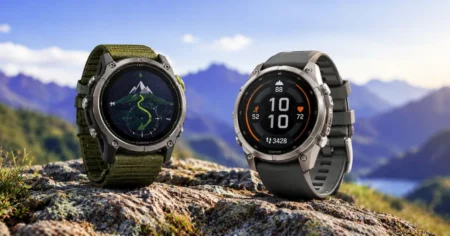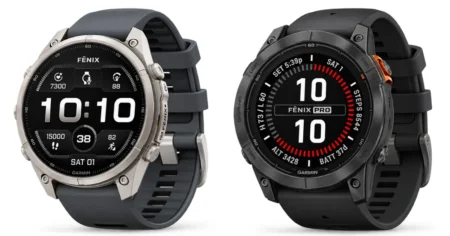

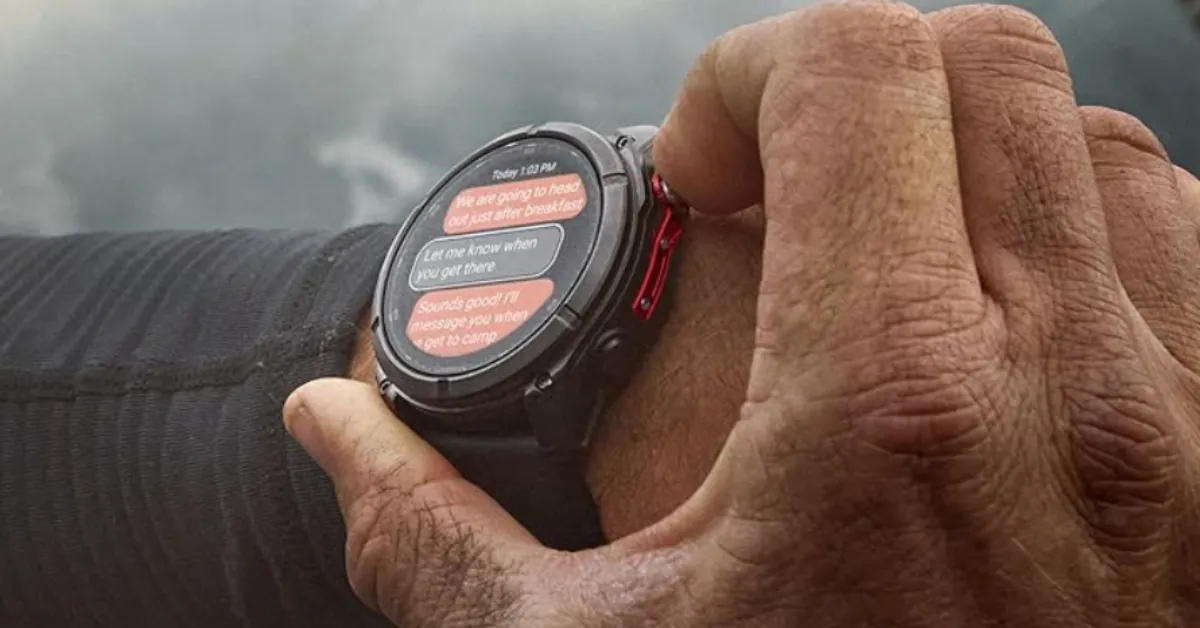
Short answer: If you own a Fenix 7 or older — upgrade to the Fenix 9. The jump is worth it, and it launched at the same price as the Fenix 8. If you own a Fenix 8 — skip it, unless satellite messaging or the Fenix 9 Pro Solar’s extreme battery life matters to you. And if you need a watch right now — the Fenix 8 is still outstanding, and its price should drop now that the Fenix 9 is official.
This is the question every serious Garmin user asks every year — and in 2026, it finally has a real answer. The Fenix 8 lineup was already excellent. The Fenix 8 Pro added satellite messaging and MicroLED. And now the Fenix 9 has officially launched, alongside the Fenix 9 Pro, at Garmin’s “Play Harder” event on August 25, 2026.
So what actually changes between generations? Here’s the most complete, now fully confirmed breakdown available.
Quick Overview
The Fenix 8 launched in August 2024 starting at $999.99. The Fenix 8 Pro followed in September 2025 at $1,199.99 — adding satellite messaging via inReach and an optional MicroLED display at $1,999.99.
The Fenix 9 officially launched on August 25, 2026, starting at the same $999.99 price point as the Fenix 8, with a Pro tier starting at $1,099.

Fenix 9 vs Fenix 8 — Full Specs Comparison
| Spec | Fenix 8 (Current) | Fenix 9 (Confirmed) |
|---|---|---|
| Price | From $999.99, now dropping | $999.99 (43/47mm) to $1,099.99 (51mm); Pro from $1,099 |
| Chip | Garmin current gen | Not officially detailed; noticeably faster map rendering confirmed |
| Display | AMOLED or Solar/MIP | Same split — AMOLED on base and Pro; Solar/MIP on Pro only (47/51mm). Over 2× brighter than Fenix 8; Pro AMOLED hits 3,000 nits |
| Battery — Smartwatch | Up to 29 days (51mm AMOLED) | 43mm: 10 days · 47mm: 16 days · 51mm: 29 days (base, unchanged at this size) |
| Battery — Pro Solar | Up to 48 days (51mm) | Up to 57 days normal use, up to 291 days in power-saving mode (51mm Pro Solar) |
| GPS | Multi-band GNSS + SatIQ | Multi-band GNSS + SatIQ, retained |
| Heart Rate | Excellent — proven | Elevate 5 sensor, unchanged from Fenix 8 Pro — no new sensor this generation |
| HRV Tracking | Yes | Yes, retained; no expanded cardiovascular monitoring feature confirmed |
| Speaker + Mic | Yes | Yes, retained |
| Offline Topo Maps | Sapphire models | Included across the lineup, with smoother rendering and a new NextFork map guide |
| Dive Mode | Yes (40m rated) | Yes, 40m rated — unchanged |
| Satellite Messaging | ❌ Fenix 8 only / Yes Fenix 8 Pro | Pro tier only, any size, +$100 add-on with required subscription — never on base Fenix 9 |
| MicroLED Option | Fenix 8 Pro ($1,999) | Not offered — no MicroLED anywhere in the Fenix 9 lineup |
| Water Resistance | 10 ATM | 10 ATM, retained |
| iPhone + Android | Both | Both, unchanged |
| Storage | 32GB | 64GB — doubled, confirmed |
| New This Generation | — | Garmin Epic (multi-day activity story), tri-color LED flashlight on Pro models, titanium bezel + sapphire lens standard on base model |
Garmin Fenix 9 vs Fenix 8 – Display
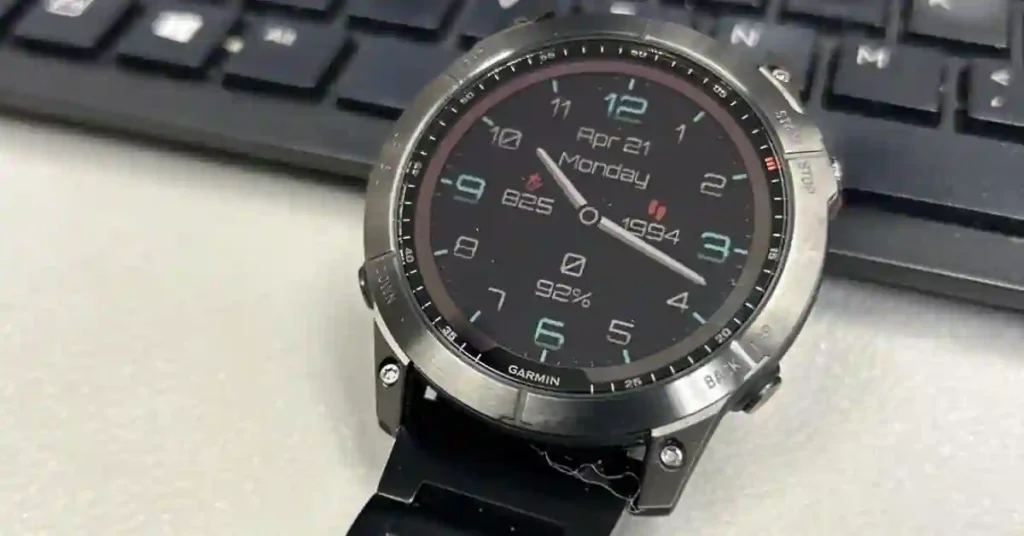
The Fenix 8 AMOLED display is already one of the best screens on any adventure watch. It’s vivid, readable in direct sunlight, and the always-on mode is crisp without destroying battery life. The Solar/MIP models sacrifice color richness for extraordinary battery life — up to 48 days with solar charging in the 51mm version.
For the Fenix 9, Garmin confirmed a brighter AMOLED panel across the board — more than twice as bright as the Fenix 8 — with the Pro AMOLED tier reaching 3,000 nits.
MicroLED did not carry over to this generation; Garmin kept the display lineup to a simple AMOLED (base + Pro) vs. Solar/MIP (Pro only, 47mm and 51mm) split, with no MicroLED option at any price.
If display quality is your main reason to upgrade: the brightness jump is real and immediately visible in direct sunlight — this is one of the more noticeable generational upgrades, even though the panel technology itself (AMOLED) hasn’t changed.
A brighter, more efficient AMOLED is now official — more than 2x the brightness of the Fenix 8. The Fenix 8 display was already excellent, but this is a genuinely noticeable upgrade, not a marginal one. MicroLED fans should note: it isn’t part of this generation at all, at any tier.
Battery Life
Battery life is already a Fenix 8 strong suit — especially the Solar models. The 51mm AMOLED gives you up to 29 days in smartwatch mode. The 51mm Solar model with always-on display goes up to 48 days. That’s extraordinary by any standard.
The Fenix 9 base model matches the Fenix 8 almost exactly at the smaller sizes — 10 days at 43mm and 16 days at 47mm — with the 51mm base holding at 29 days, unchanged from the Fenix 8.
The real leap is on the Pro Solar tier: the 51mm Fenix 9 Pro Solar is now rated for up to 57 days of normal battery life and an extraordinary 291 days in power-saving mode, nearly 7x the Fenix 8 Pro Solar’s 42-day power-saving figure.
We showed in our Fenix 9 vs Galaxy Watch Ultra 2 comparison that Garmin’s battery advantage over Samsung was already decisive — the 291-day Pro Solar figure widens that gap even further.
But let’s be honest: If you already own a Fenix 8 and don’t go Pro Solar, your battery life won’t meaningfully change with this upgrade — the base tiers are essentially flat generation over generation.
Base tiers barely moved — 43mm and 47mm battery life is essentially unchanged from Fenix 8. But the Fenix 9 Pro Solar (51mm) is now in a different league entirely, at up to 291 days in power-saving mode. If extreme battery life is your priority, that’s the SKU to look at — nothing else in the lineup, including the Fenix 8, comes close.
Battery is the main reason some buyers look at the Enduro 4 instead, and I compare it with the Fenix 9 here: Enduro 4 or Fenix 9.
GPS & Navigation
The Fenix 8 GPS is already best-in-class. Multi-band GNSS, SatIQ auto-mode, full offline topographic maps on Sapphire models — this is the gold standard for adventure watch navigation.
We cover exactly how Garmin’s multi-band GPS performs in challenging terrain in our Garmin GPS troubleshooting and accuracy guide — the accuracy is on par with dedicated Garmin handheld GPS units.
The Fenix 9 retains multi-band GNSS and SatIQ, and Garmin’s official messaging highlights smoother, more intuitive routable maps with a new NextFork map guide and dynamic round-trip routing.
Garmin hasn’t published specific accuracy benchmarks or acquisition-speed numbers, so it’s not possible to confirm a measurable GPS accuracy improvement over the Fenix 8 — the confirmed upgrade here is in map usability and rendering speed, not raw positioning accuracy.
Multi-band GNSS is retained, not upgraded on paper. The confirmed improvement is in map rendering and navigation usability, not GPS accuracy itself. If GPS precision in dense forest or urban canyons was your reason to wait, there’s no confirmed spec backing up an accuracy gain this generation.
Health & Training Analytics
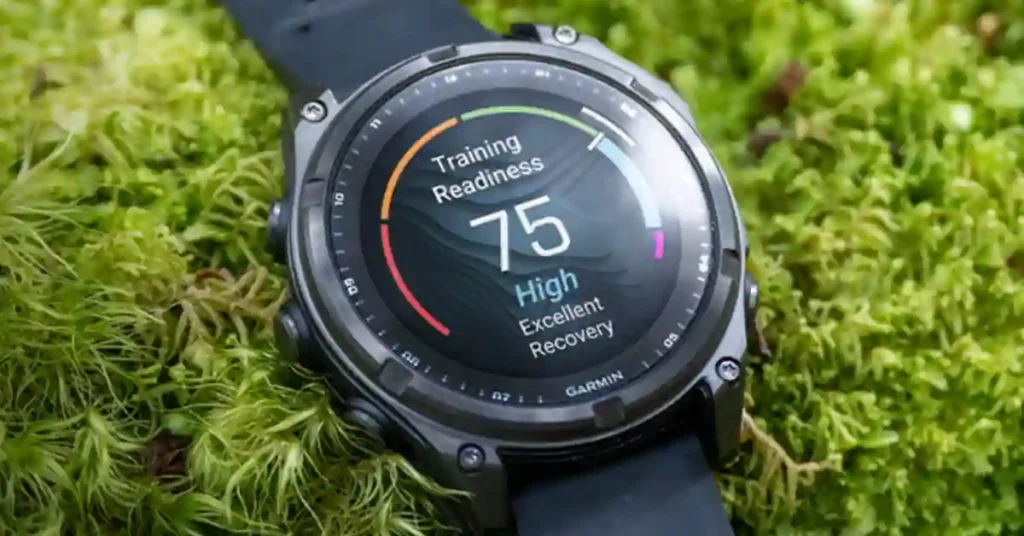
This is where the Fenix 9 upgrade looks more modest than expected. Garmin’s official spec sheet confirms:
Better Heart Rate Precision
The Fenix 8 heart rate is already very good — accurate enough to replace a chest strap for most activities. The Fenix 9 uses the same Elevate 5 sensor as the Fenix 8 Pro — there is no new or refined optical sensor array this generation. If better HR accuracy during strength training or high-intensity intervals was your reason to wait, that upgrade did not arrive.
Expanded Cardiovascular Monitoring
Garmin’s official feature list does not include any new “expanded cardiovascular monitoring” capability beyond what the Fenix 8 already offers.
HRV status, Body Battery, and stress tracking are all present and retained, but not expanded with new metrics. Blood glucose monitoring, which some analysts speculated about, was not included.
Want Garmin’s health platform without the Fenix price? Read our Garmin Venu 4 review — it has Body Battery, Training Readiness, ECG, and HRV at $549.
Contrary to earlier expectations, health sensors are essentially carried over unchanged: same HR sensor, no new cardiovascular metrics, no blood glucose. If health tracking precision was your main upgrade driver, this generation won’t deliver much beyond software refinements like Training Readiness and Stamina Metrics.
What About the Fenix 8 Pro?
The Fenix 8 Pro complicates this comparison significantly. Launched in September 2025 at $1,199.99, the 8 Pro added:
inReach satellite messaging — two-way messaging and emergency SOS via satellite, no phone required LTE connectivity — make calls and send messages independently from your phone MicroLED option at $1,999 — 4,500 nits brightness, the brightest smartwatch display available
The Fenix 9 Pro replaces it, and the structure has changed meaningfully. Here’s the confirmed Fenix 9 Pro lineup:
| Model | Size | Price | Notes |
|---|---|---|---|
| Fenix 9 Pro (AMOLED) | 43mm / 47mm | $1,099 | No inReach by default |
| Fenix 9 Pro (AMOLED or Solar) | 51mm | $1,199 | No inReach by default |
| Fenix 9 Pro Solar | 47mm | $1,099 | No inReach by default |
| Add inReach to any Pro model | Any size | +$100 | Subscription required |
inReach satellite connectivity is no longer bundled into a single fixed Pro price — it’s now a $100 add-on available across the entire Pro tier, at any size. MicroLED, meanwhile, did not carry over at all: there’s no MicroLED option anywhere in the Fenix 9 or Fenix 9 Pro lineup, at any price. If 4,500-nit MicroLED brightness was something you wanted, the Fenix 8 Pro remains the only Garmin watch that offers it — while supplies last.
Quick take on the Fenix 8 Pro MicroLED at $1,999: The display is genuinely extraordinary — 4,500 nits is in a different category from any other smartwatch screen. But battery life drops to 10 days in smartwatch mode and 4 days with always-on. If you’re buying a Fenix for the battery, the MicroLED model sacrifices it. This trade-off no longer matters for new buyers, since the option simply isn’t available on the Fenix 9 generation.
Who Should Wait vs Buy Now
Wait for Fenix 9 If You…
Own a Fenix 7, Fenix 6, or older — the upgrade is significant, especially in display brightness Are buying your first Fenix and want the latest generation at an unchanged price Want satellite messaging built into the watch — go Fenix 9 Pro, any size, +$100 for inReach Want the longest battery life Garmin has ever shipped — the Fenix 9 Pro Solar (51mm) hits 291 days in power-saving mode Are upgrading from a Forerunner or Venu
Already decided on the Fenix 9? See our size and tier guide to pick the right one.
Buy Fenix 8 Now If You…
Own a Fenix 8 already — the Fenix 9’s HR sensor, GPS hardware, and core health tracking are essentially unchanged, so there’s little reason to switch Need a watch immediately and want to catch the price drop Specifically want MicroLED — it’s exclusive to the Fenix 8 Pro and wasn’t carried over to Fenix 9 Are budget-conscious — Fenix 8 pricing should fall now that Fenix 9 is official Use an iPhone and want a proven, now-discounted outdoor watch Care most about GPS accuracy or HR sensor precision — neither saw a confirmed upgrade this generation

Still using a Fenix 7 or Fenix 7 Pro? We break down that upgrade separately in our Fenix 9 vs Fenix 7 / 7 Pro comparison, including what you actually gain and whether it’s worth the money.
Final Verdict — Fenix 9 vs Fenix 8
The honest summary now that specs are official: the Fenix 9 is a real but uneven upgrade over the Fenix 8. The display is genuinely brighter, storage doubled, satellite messaging is now available across the whole Pro tier for a modest $100 add-on, and the Fenix 9 Pro Solar’s battery life is in a class of its own.
But heart rate sensing, core GPS hardware, and cardiovascular health tracking are essentially carried over unchanged — this is not the across-the-board leap some pre-launch coverage (including our own) expected.
If you own a Fenix 7 or older — upgrade. The jump across display brightness, storage, and (if you want it) satellite connectivity is genuinely worthwhile, and it comes at the same $999.99 entry price as the Fenix 8.
If you own a Fenix 8 — skip it, unless satellite messaging or the Fenix 9 Pro Solar’s extreme battery life specifically appeals to you. You already have one of the best adventure watches ever made, and the sensor/GPS hardware underneath hasn’t meaningfully changed.
If you need a watch right now — either is a good choice. Buy the Fenix 9 for the brighter screen and satellite option at an unchanged price, or grab a Fenix 8 once discounts land, which should happen quickly now that the Fenix 9 is official.
Bottom line: the wait is over, and the picture is now clear. The Fenix 9’s headline wins are display brightness, storage, satellite access, and (at the top end) battery life — not sensor precision or GPS accuracy. Buy accordingly.
Frequently Asked Questions
Is the Garmin Fenix 9 worth waiting for over the Fenix 8?
It depends on your current watch. Fenix 7 or older — yes, upgrade; the display and storage improvements alone are worth it, at an unchanged price. Fenix 8 — generally no, unless you specifically want satellite messaging or the Pro Solar’s 291-day battery life; the core sensors and GPS are unchanged. Buying your first Fenix — the Fenix 9 is now the obvious pick, since it launched at the same price as the Fenix 8 it replaces.
When will the Garmin Fenix 9 be released?
The Garmin Fenix 9 and Fenix 9 Pro were officially announced on August 25, 2026, at Garmin’s “Play Harder” event. Orders open August 28, 2026.
How much will the Garmin Fenix 9 cost?
$999.99 for the base 43mm or 47mm model, $1,099.99 for the base 51mm. The Fenix 9 Pro starts at $1,099 (43mm/47mm AMOLED or 47mm Solar) and reaches $1,199 for the 51mm Pro (AMOLED or Solar). Adding inReach satellite connectivity to any Pro model costs an additional $100, plus a required subscription.
Will the Fenix 8 price drop when Fenix 9 launches?
Almost certainly. Garmin’s pricing history shows the previous Fenix generation drops by roughly $150–200 within weeks of a new launch. The Fenix 7 dropped significantly when the Fenix 8 launched. Expect the same pattern for the Fenix 8 in the weeks following the Fenix 9’s August 25, 2026 launch.
Is the Garmin Fenix 8 still worth buying in 2026?
Absolutely. The Fenix 8 is one of the best adventure watches ever made — exceptional GPS, multi-week battery life, full offline topo maps, and Garmin’s best-in-class training analytics platform. With Fenix 9 pricing now confirmed to be unchanged, the Fenix 8 will only get more attractive as its price drops post-launch — especially if you don’t need satellite messaging or extreme battery life.
What’s the difference between Fenix 8 and Fenix 8 Pro?
The Fenix 8 Pro ($1,199.99) adds satellite messaging via inReach and LTE cellular connectivity — letting you make calls, send messages, and trigger emergency SOS without a phone. It also offers an optional MicroLED display at $1,999.99. The standard Fenix 8 ($999.99) has everything else but requires your phone for communication. Note: MicroLED is a Fenix 8 Pro exclusive and was not carried over to the Fenix 9 generation at all.
Garmin Fenix 9 vs Fenix 8 — which has better GPS?
Both use the same class of multi-band GNSS hardware, and Garmin has not published any accuracy or acquisition-speed improvements for the Fenix 9. The confirmed upgrade is in map software — smoother rendering and a new NextFork map guide — not raw GPS precision. We cover how Garmin GPS performs across all conditions in our complete Garmin GPS troubleshooting guide. Most users won’t notice a real-world GPS difference between Fenix 8 and Fenix 9.
Does the Fenix 9 have a new heart rate sensor?
No. The Fenix 9 uses the same Elevate 5 sensor found in the Fenix 8 Pro. There is no new “next-gen” HR sensor this generation, despite pre-launch speculation.
Does the Fenix 9 have satellite messaging built in?
Yes, but only on the Fenix 9 Pro tier, at any of the three sizes (43/47/51mm), as a $100 add-on requiring a separate inReach subscription. The base Fenix 9 does not offer satellite connectivity at any price.
Related Reading
- Apple Watch Ultra 4 vs Garmin Fenix 9 — Which Adventure Watch Should You Choose?
- Garmin Fenix 9 vs Samsung Galaxy Watch Ultra 2 — Which Adventure Watch Wins?
- Garmin Venu 4 Review — Best Lifestyle Garmin Ever Made?
- Garmin Cirqa — The Screenless Tracker Taking on Whoop
Fenix 9 details are now sourced directly from Garmin’s official product pages, confirmed at launch on August 25, 2026. Fenix 8 specs sourced from Garmin’s official newsroom. Last updated: August 25, 2026.