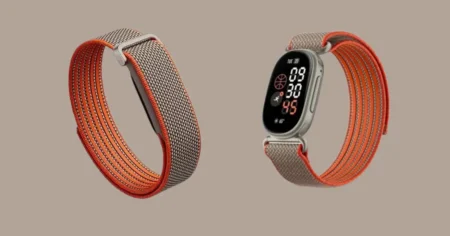

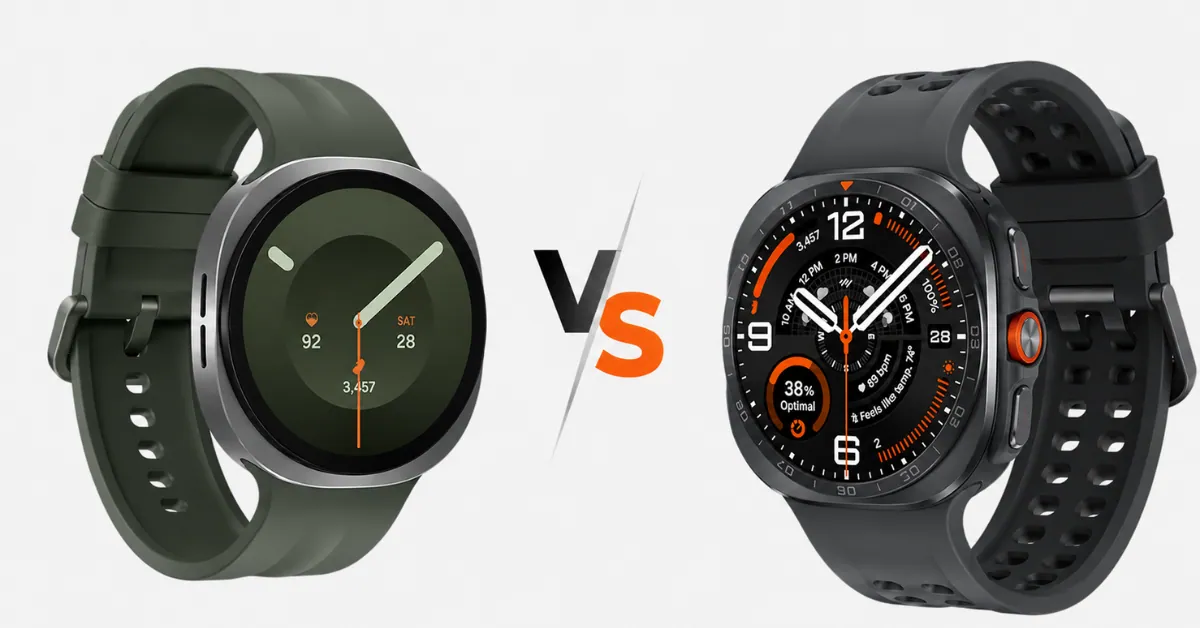
Samsung confirmed both watches today at Unpacked in London, and for the first time in years, the decision between Samsung’s “everyday” watch and its “extreme” watch isn’t about the chip inside — it’s about what you actually do with your wrist.
Quick Verdict
Buy the Watch9 if: you want an everyday health tracker, don’t need dive or trail-running tools, and want to save $350.
Buy the Ultra 2 if: you’re a trail runner, diver, or outdoor athlete who needs multi-day battery, extreme brightness and rugged certification.
Skip both if: you’re on iPhone, or you were hoping for satellite messaging or blood glucose tracking — neither watch has them.
Spec-for-Spec Comparison
| Galaxy Watch9 | Galaxy Watch Ultra 2 | |
|---|---|---|
| Price (US) | from $379 | $699 |
| Case size | 40mm or 44mm | 47mm only |
| Case material | Aluminum | Titanium |
| Colors | Cream, Graphite, Silver | Titanium Silver, Titanium Gray |
| Chip | Snapdragon Wear Elite | Snapdragon Wear Elite |
| Battery | 390mAh (40mm) / 445mAh (44mm) | 800mAh |
| Display brightness | up to 3,000 nits | up to 5,000 nits |
| Water resistance | 5ATM+ / IP68 | 10ATM+ / IP69K / EN13319 (dive-rated) |
| Storage | 32GB | 64GB |
| Dive tracking | No | Yes, automatic |
| Trail Run mode | No | Yes |
| Nutrition Alert / hydration guidance | No | Yes |
| On sale | August 7, 2026 | August 7, 2026 |


The Chip Is No Longer the Deciding Factor
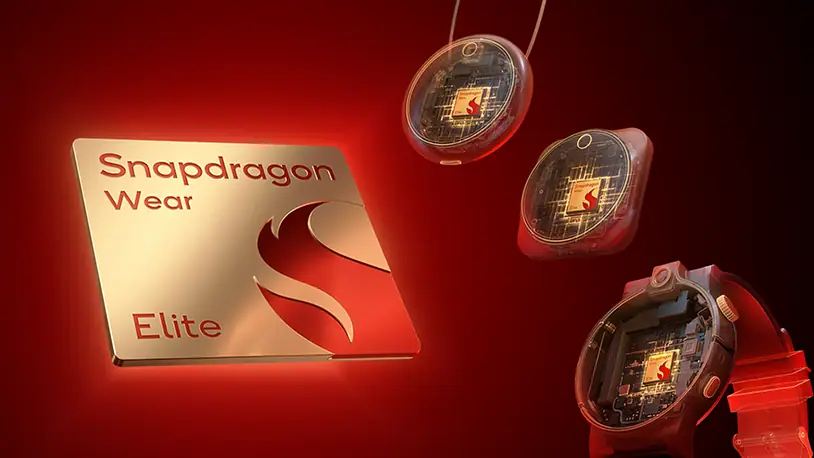
This is the single biggest change from what most of us expected going into today, including our own earlier coverage. We — and most other outlets — reported that Snapdragon Wear Elite would be Ultra 2-exclusive, with the Watch9 keeping last year’s Exynos chip.
That didn’t happen. Samsung confirmed both watches run the same Snapdragon Wear Elite platform. If you were leaning toward the Ultra 2 purely for the newer chip, that reasoning no longer applies — the Watch9 gets the same silicon at half the price.
Battery: The Real Difference
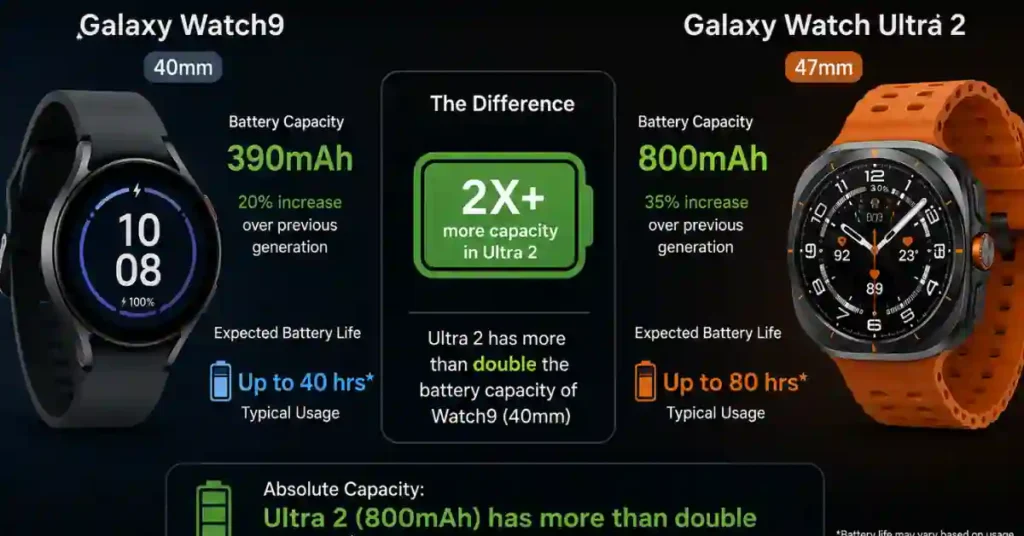
This is where the two watches actually diverge. The Watch9’s 40mm model carries a 390mAh battery, a 20% increase over the previous generation, while the Ultra 2 jumps to 800mAh, a 35% increase over its own predecessor. In absolute terms, the Ultra 2 has more than double the battery capacity of the Watch9’s smaller size.
Samsung hasn’t published independent hour estimates for either watch, so exact multi-day claims are still projections until reviewers get hands-on time.
But the gap in raw capacity tells you which watch is built for all-day GPS use and multi-hour outdoor sessions versus which one is built for typical daily wear.
Display and Durability
The Ultra 2’s 5,000-nit display is genuinely a step above the Watch9’s 3,000 nits — noticeable specifically in direct sunlight.
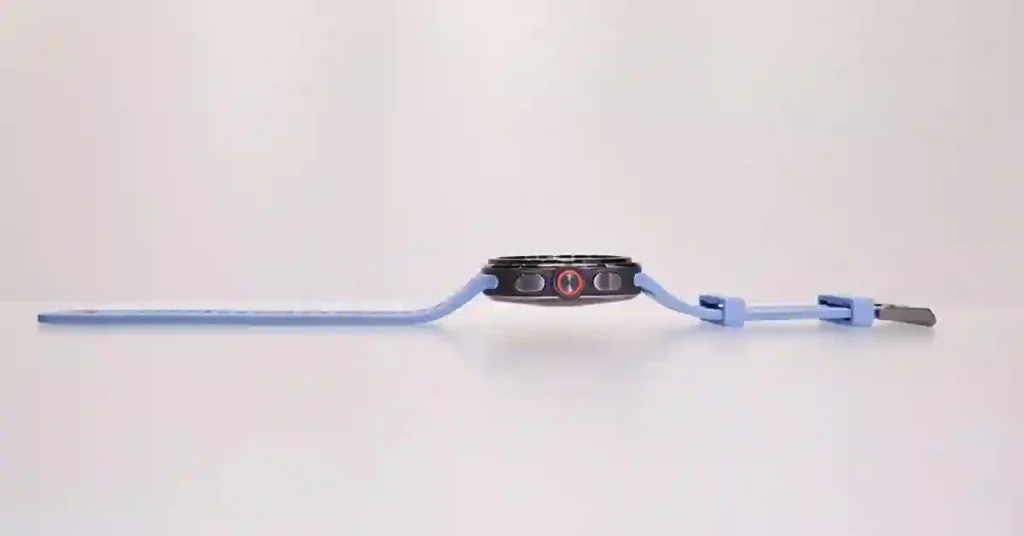
Durability tells the same story: the Ultra 2 is rated IP69K and 10 ATM, with EN13319 certification that makes it dive-instrument rated, while the Watch9 sits at a more standard IP68 and 5 ATM.
If you’re not swimming laps or diving, the Watch9’s rating is plenty for daily life. If you are, the Ultra 2 is built for it and the Watch9 isn’t.
Health Features: Identical on Both
This is worth knowing before you pay the $350 premium for the Ultra 2: the core health and AI features are the same across both watches. Both get:
- Sleep Apnea detection — now categorizes breathing disruptions into three severity levels using an updated AI algorithm, building on Samsung’s 2024 FDA authorization
- Vitals — baselines heart rate, heart rate variability, respiratory rate, skin temperature and blood oxygen during sleep to flag meaningful changes
- Heart Health Score — combines activity, sleep, body composition and stress into a single cardiovascular score
- Fitness Index — assesses whether your workout volume matches your fitness level
- Daily Cardio Load — tracks training balance and recommends recovery time
- Hearing — alerts for unsafe noise exposure
None of this is Ultra 2-exclusive. If health tracking is your main reason for buying, the Watch9 gives you the same toolkit for less money.
What Only the Ultra 2 Gets
The premium buys you sport-specific and extreme-environment features, not better everyday health tracking:
- Trail Run mode — elevation, climbing progress, and cumulative ascent/descent tracking
- Automatic dive tracking — depth, dive time and water temperature logged from the moment you enter water, plus an upcoming Mares-developed diving app with ascent/descent rate and decompression time tracking, due later this year
- Nutrition Alert hydration guidance — real-time fluid intake recommendations based on estimated sweat loss during workouts
- Bigger, brighter display and tougher case for direct sun and rough conditions
If you don’t trail run, dive, or spend hours outdoors, you’re paying for hardware you won’t use.
Price
The Watch9 starts at $379. The Ultra 2 is $699. That $350 gap buys battery capacity, brightness, ruggedness and sport-specific tracking — not better core health features, and not a newer chip, since both now share the same one.
How It Stacks Up Against Garmin and Apple
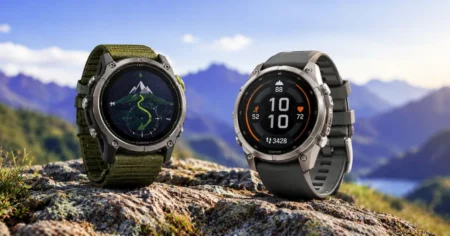
Vs. Garmin Fenix 9: if multi-week battery life is your top priority, neither Samsung watch competes — Garmin still wins on endurance. Samsung’s advantage is ecosystem, health sensors, and day-to-day smartwatch features. Full Fenix 9 vs Ultra 2 comparison here.
Vs. Apple Watch: if you’re on iPhone, neither Samsung watch integrates properly with iOS. Look at the Apple Watch Series 11 or Ultra 3 instead. If you’re planning to stay in the Apple ecosystem, it’s also worth checking out our Apple Watch Ultra 4: Is It Worth Waiting For? (Everything Confirmed) guide before deciding.
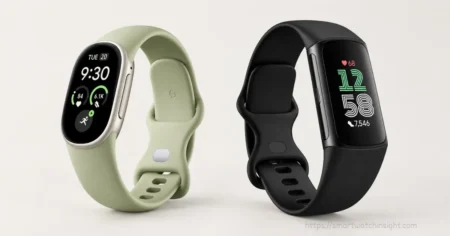
Vs. Google Pixel Watch 4: a strong alternative if you’re deep in the Google ecosystem. Samsung Health is more advanced, but the Pixel Watch’s Fitbit integration is excellent in its own right. And if you’re not in a rush to upgrade, take a look at our Google Pixel Watch 5: Price, Specs & Release Date — Every Leak (2026) guide to see what’s expected before you buy.
Who Should Buy Which
Buy the Watch9 if: ✅ You want Samsung’s full health-tracking suite at the lower price ✅ You prefer a smaller, lighter watch (40mm or 44mm vs. 47mm) ✅ You don’t dive, trail run, or need multi-day battery
Buy the Ultra 2 if: ✅ You’re an outdoor athlete, runner or diver who’ll actually use Trail Run and dive tracking ✅ You need the brightest possible display for direct sunlight ✅ Battery life under heavy GPS use matters more to you than price
Skip both if: ❌ You’re on iPhone — neither works with iOS ❌ You need satellite messaging — not confirmed on either watch ❌ You want blood glucose monitoring — not available on either
If you’re holding out for a Watch9 Classic instead, it hasn’t launched — and probably won’t this cycle. Here’s why, and what a returning Classic might look like.
FAQ – Galaxy Watch 9 vs Ultra 2
Do the Galaxy Watch 9 and Ultra 2 use the same chip?
Yes. Both are confirmed to run the Snapdragon Wear Elite platform — a change from earlier reporting that expected the Watch9 to keep the older Exynos chip.
What’s the actual price difference?
$350 — Watch 9 starts at $379, Ultra 2 is $699.
Do both watches have the same health features?
Yes. Sleep Apnea, Vitals, Heart Health Score, Fitness Index, Daily Cardio Load and Hearing are confirmed on both. The Ultra 2 adds sport-specific features like Trail Run and dive tracking on top.
Is the Ultra 2’s battery actually that much bigger?
Yes — 800mAh versus 390mAh on the Watch 9’s 40mm model, more than double the capacity.
Which one should a non-athlete buy?
The Watch 9. You get the same chip and the same core health tracking for $350 less, and the Ultra 2’s extra durability and sport modes go unused.
This comparison will be updated once independent battery and durability testing is published over the next two weeks.
Sources
Samsung Global Newsroom — “Samsung Galaxy Watch Ultra2 and Watch9
Written by Sunil Bhatt — founder of SmartWatchInsight, covering smartwatches and wearables since 2020.
Related reading:
- Samsung Galaxy Watch Ultra 2: Officially Announced — Every Spec Confirmed (July 2026)
- Galaxy Watch 9 vs Apple Watch Series 12 (2026): Which One Should You Actually Buy?
- Garmin Fenix 9 vs Samsung Galaxy Watch Ultra 2 — Full Comparison
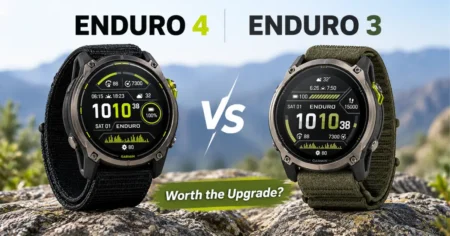
- Garmin Enduro 4 Leaked: Release Date, Features & The Big Display Question (2026)