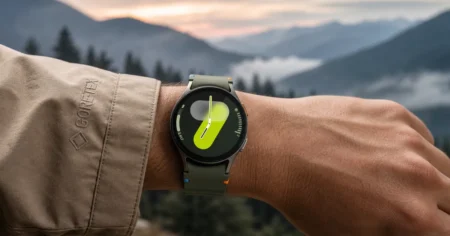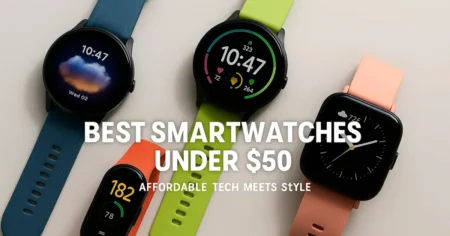

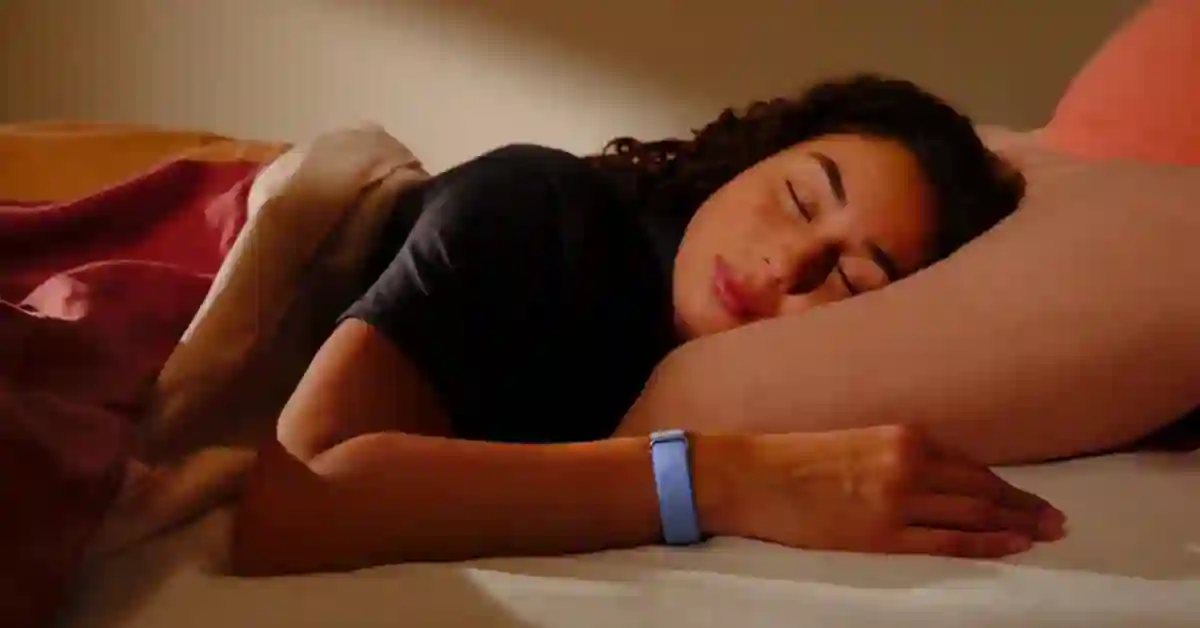
You’re tired, you don’t know why, and you’re hoping a gadget on your wrist (or finger) will finally tell you what’s going wrong at night. Fair. Here’s the problem: every sleep tracker brand tells you their device is the answer, and after a while the specs blur together.
This guide skips the noise. Answer three quick questions below, get pointed to the right device, then read as much or as little of the reasoning as you want. Every recommendation links straight to where you can buy it.
First, Answer This: What Actually Matters to You?
1. What’s your budget for the device itself?
- Under $150 – Fitbit Air or Fitbit Charge 6
- $150–$250 – Garmin CIRQA
- $350+ – Oura Ring 5
- Don’t care about hardware cost, care about monthly cost – WHOOP 5.0
2. Do you want to pay a monthly subscription, ever?
- Absolutely not – Garmin CIRQA (zero subscription, ever, for core features)
- I’m fine with one if it’s worth it – Oura Ring 5 or WHOOP 5.0
- I want the option but not the requirement – Fitbit Air
3. What’s your phone?
- iPhone, and I want one device for everything – Apple Watch Series 12
- Android, and I want one device for everything – Samsung Galaxy Watch 9
- I don’t care – I just want the best sleep data, phone’s a separate thing – Oura Ring 5, Fitbit Air, or Garmin CIRQA (all work with both)
If you answered those three questions, you probably already know which section to jump to. If you’re still unsure, keep reading – we’ll walk through exactly why each device wins its category, what you’re trading off, and where to buy it.
Quick Comparison: Best Sleep Trackers 2026
| Device | Best For | Price | Battery | Sleep Apnea | Subscription |
|---|---|---|---|---|---|
| Oura Ring 5 | Sleep-focused accuracy | $399 pre-order / $499 premium | 6–9 days | Breathing insights only | Required ($5.99/mo) |
| Fitbit Air | Best low-cost entry | $99.99 pre-order / $129.99 regular | Up to 7 days | No | Optional ($9.99/mo) |
| Garmin CIRQA | Zero subscription | $199.99 | Up to 10 days | No | None |
| WHOOP 5.0 | Athletes & recovery | Included with membership | 14+ days | No | Required (from $30/mo) |
| Apple Watch Series 12 | iPhone all-rounder | From $399 | Up to 24 hrs | FDA-authorized | None |
| Samsung Galaxy Watch 9 | Android all-rounder | From $379.99 | ~40 hrs | FDA De Novo authorized | None |
| Fitbit Charge 6 | Screen + GPS on a budget | $159.95 MSRP | Up to 7 days | No | Optional |
1. If You Want the Most Accurate Sleep Data, Period -Oura Ring 5
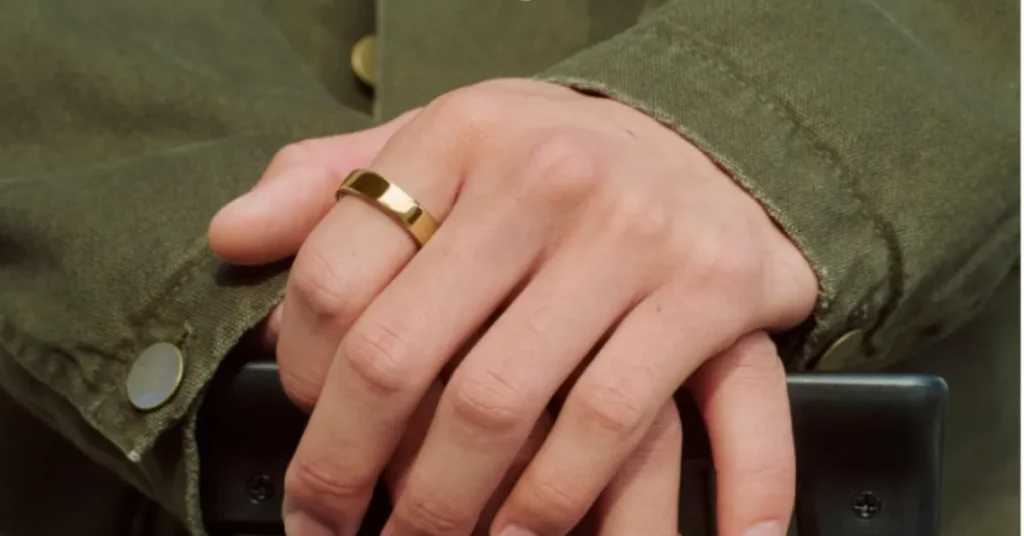
$399 (Silver, Black) / $499 (premium finishes) · 6–9 day battery · $5.99/month membership required
If your only goal is understanding your sleep as precisely as possible, this is the device. Oura built its entire company around sleep tracking, and it shows in the Ring 5 – 40% smaller than the Ring 4, with 12 signal pathways feeding a sleep-staging model that Oura reports at 95% accuracy against a clinical sleep lab.
For a closer look at what’s changed, see our Oura Ring 5 vs Ring 4: Is It Worth Upgrading in 2026? comparison.
The ring form factor is the real advantage here. Sitting on your finger, it avoids the wrist-motion issues that make watches work harder to figure out when you’re actually asleep. And at 6 to 9 days per charge, you’re not creating gaps in your data by forgetting to charge it.
New this generation: Blood Pressure Signals (a wellness pattern flag, not a clinical reading) and Nighttime Breathing, which gives you a rolling view of breathing disturbances over time.
The honest catch: without the $5.99/month membership, you only get summary scores – the detailed insights that make this device worth $399 live behind that subscription. Budget roughly $470 for your first year all-in.
Buy it if: sleep is your top health priority, you don’t mind a ring on your finger 24/7, and a monthly fee doesn’t bother you if the data’s good enough.
Skip it if: you want a subscription-free device, or you want something that also handles notifications and GPS – for that, jump to the Apple Watch Series 12 or Samsung Galaxy Watch 9 sections below.

2. If You Want to Spend as Little as Possible – Fitbit Air
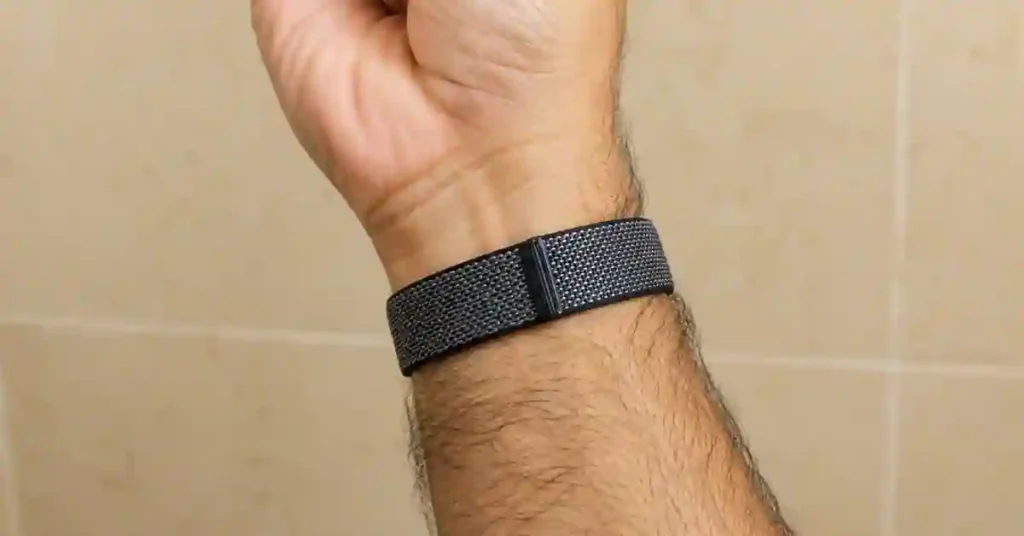
$99.99 pre-order price / $129.99 regular US price · Up to 7 days battery · Subscription optional
This is where most people should actually start. Google’s screenless tracker covers everything that matters for sleep – stages, a daily score, nightly HRV, SpO2, skin temperature and none of it sits behind a paywall.
The $9.99/month Google Health Premium adds a Readiness score and AI coaching, but you keep full sleep data without it.
It also includes AFib irregular rhythm alerts, which is a genuinely useful safety feature you don’t typically see at this price.
The honest catch: no GPS, no screen at all everything lives in the Google Health app on your phone. If you want to glance at your wrist and see the time, this isn’t your device (see the Fitbit Charge 6 section instead).
Buy it if: you want to find out whether sleep tracking actually changes your habits, without spending real money to find out.

For the full lineup of every current Fitbit model, including how the Air compares to the Charge 6 and Sense 2 on things beyond sleep, see our Best Fitbit to Buy in 2026 guide.
3. If You Refuse to Pay a Subscription – Garmin CIRQA
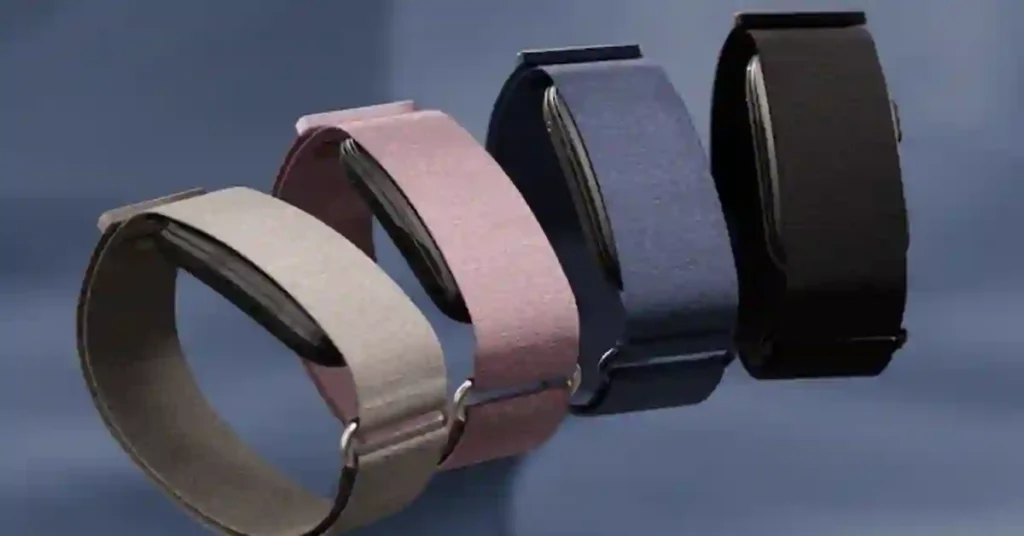
$199.99 · Up to 10 days battery · No subscription for core features, ever
Garmin’s answer to the subscription fatigue in this category: pay once, get sleep stages, sleep score, HRV, respiration, Pulse Ox, and skin temperature permanently, with zero recurring fee.
Over a full year, this is the cheapest device in this guide to own once you factor in what Oura and WHOOP charge monthly.
It also has the longest battery among the screenless bands and rings here at 10 days (WHOOP’s 14+ days edges it out, but WHOOP requires a membership to use at all).
The honest catch: it’s twice the price of the Fitbit Air upfront, and AFib detection isn’t confirmed on this device yet.
Buy it if: you’re philosophically done with subscriptions, or you already own a Garmin watch and want your sleep data in the same Garmin Connect app.

Weighing this directly against the Fitbit Air? We built a full side-by-side: Garmin CIRQA vs Fitbit Air – Which Screenless Tracker to Buy?
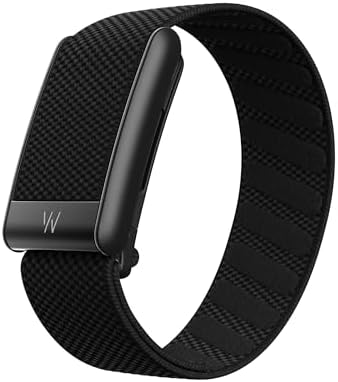
4. If You’re a Serious Athlete WHOOP 5.0

Hardware included with membership · 14+ day battery · From $30/month (Peak), annual plans from $199/year
WHOOP doesn’t just show you a sleep score it feeds last night’s sleep directly into today’s recommended training load. If you’re training for something specific and want your recovery data to actually change your workout plan, nothing else here does that as well.
The on-wrist charging (a battery pack slides over the band without removing it) means you genuinely never lose a night of data to a forgotten charge the 14+ day battery is the longest in this entire guide.
The honest catch: it’s a membership product, not a purchase. Check WHOOP’s current pricing page before committing, since plans and terms have shifted the $30/month Peak tier and the $199/year plans are structured differently.
See our WHOOP 5.0 Review: Features, Pricing, & Health Insights or a closer look at how it works.
Buy it if: training and recovery are the actual reason you’re tracking sleep, not sleep for its own sake.
5. If You Have an iPhone and Want One Device for Everything – Apple Watch Series 12
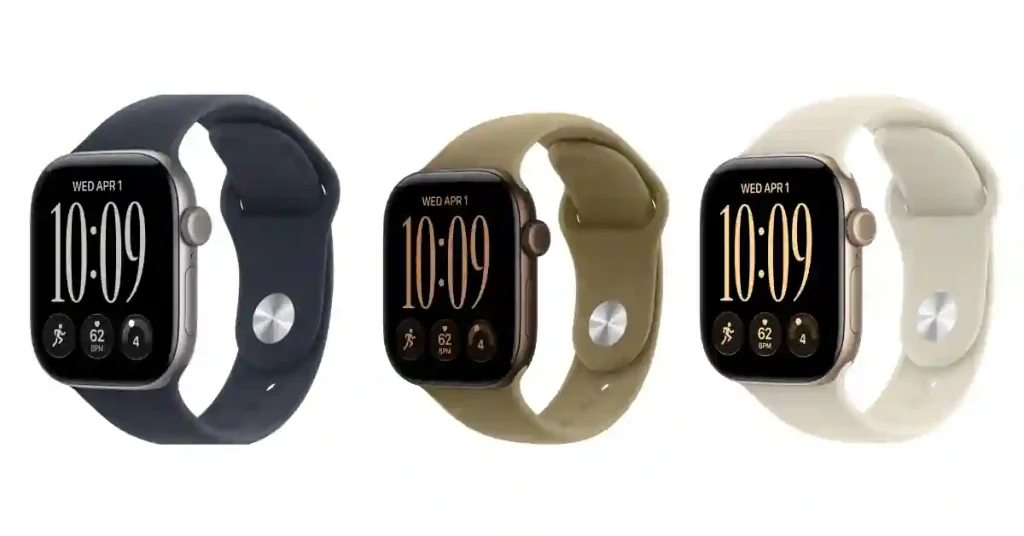
From $399 · Announced Sept 9, available Sept 18, 2026 · Up to 24 hrs battery (38 hrs Low Power Mode)
If you don’t want a second device on your body just for sleep, the Series 12 is the strongest iPhone option.
New this year is a Readiness score a 0–10 number built from your sleep, recent activity, vitals, and training load alongside FDA-authorized sleep-apnea notifications that flag possible signs of moderate to severe sleep apnea.
The honest catch: battery. At roughly 24 hours normal use, you’re building a daily charging habit most people charge during a shower or in the evening, which works, but it’s a real behavior change compared to the multi-day devices above.
Buy it if: you’re not interested in wearing a separate ring or band just for sleep, and you already live in the Apple ecosystem.

For the complete spec breakdown including what didn’t ship this generation, see Apple Watch Series 12 & Ultra 4 – Official Specs, Price & Release Date.
6. If You Have an Android Phone and Want One Device for Everything – Samsung Galaxy Watch 9
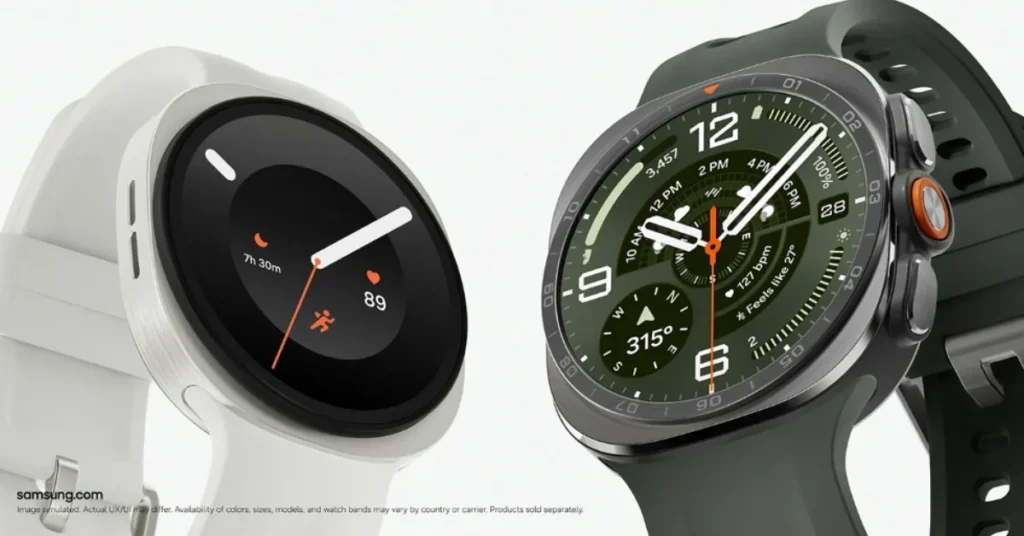
From $379.99 (40mm) · ~40 hrs battery
For Android users, this is the most complete single-device option. Samsung’s sleep-apnea risk detection received FDA De Novo authorization, and the Watch 9 upgrades it with AI algorithms that analyze breathing disruptions overnight – all with no subscription required.
Vitals adds a second layer: it builds a personal baseline from your heart rate, HRV, respiratory rate, skin temperature, and blood oxygen during sleep, then flags meaningful deviations from it.
The honest catch: the apnea feature is limited to users 22 and older and to specific countries – check Samsung’s current documentation for your region before buying specifically for this feature. Some related health features may also already be on your Galaxy Watch 7 or 8 via software update, so if you own one of those, check before upgrading.
Buy it if: you’re on Android, want FDA-cleared apnea detection with zero subscription, and don’t mind charging roughly every other day.

Full spec comparison against the Watch Ultra 2: Samsung Galaxy Watch 9 – Full Specs & Ultra 2 Comparison.
7. If You Want a Screen and GPS Without Spending Much – Fitbit Charge 6
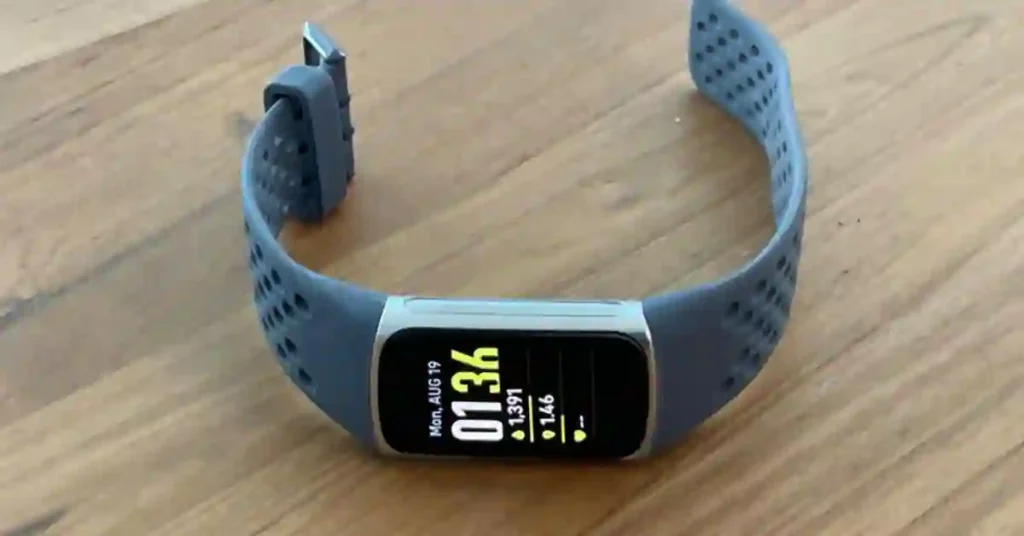
$159.95 MSRP, frequently discounted · Up to 7 days battery
The Fitbit Air gives you sleep tracking with nothing else. The Charge 6 gives you sleep stages, sleep score, SpO2, and skin temperature plus a screen, built-in GPS, ECG, and Google Wallet all in a 7-day-battery band that costs less than the Oura Ring or Garmin CIRQA.
If you want a closer look at how it performs in everyday use, check out our Fitbit Charge 6 review.
The honest catch: no apnea detection, and it’s bulkier on the wrist overnight than the Air or a ring.
Buy it if: you want sleep tracking as one feature among several running, payments, notifications – rather than the whole point of the device.

Ring vs Band vs Watch: The Real Trade-Off
| Factor | Ring (Oura 5) | Band (Fitbit Air, CIRQA, WHOOP) | Watch (Apple, Samsung, Charge 6) |
|---|---|---|---|
| Sleep-staging performance | Strong, per Oura’s own validation | Good | Good |
| Overnight comfort | Very comfortable for most | Very comfortable | Bulkier |
| Battery | 6–9 days | 7-14+ days | Around 24–40 hours |
| Sleep apnea detection | Breathing insights only | No | Yes (Apple, Samsung) – risk detection, not diagnosis |
| Doubles as everyday smartwatch | No | No | Yes |
The pattern: rings and bands win on comfort and battery because that’s literally all they’re built for. Watches trade some of that away in exchange for doing everything else too texts, GPS, payments, apnea detection.
Neither is objectively “better” it depends whether you want a dedicated sleep device or one device that does sleep as part of a bigger job.
What’s Actually FDA-Cleared for Sleep Apnea (And What Isn’t)
This trips up a lot of buyers, so let’s be precise. As of 2026, only a few consumer devices carry FDA clearance or authorization tied to sleep apnea: Apple Watch (Series 9 and later, plus Ultra 2), Samsung Galaxy Watch (7 and later, including the Watch 9), and Withings Sleep Rx – a specific under-mattress device, distinct from Withings’ other Sleep Analyzer products.
Everything else in this guide Oura Ring 5, Fitbit Air, Garmin CIRQA, WHOOP – tracks related signals like SpO2 and breathing patterns, but none of them are FDA-cleared to detect sleep apnea specifically.
And regardless of which device you buy: no consumer wearable diagnoses sleep apnea. A flagged result is a prompt to talk to a healthcare professional and get a proper sleep study not a diagnosis on its own.
Still Not Sure? Read This
If you’ve read this far and still can’t decide, here’s the honest shortcut: the Fitbit Air is the lowest-risk way to start.
At under $130 with no subscription required, you can find out whether you’re even the kind of person who checks a sleep score every morning before spending $400+ on a ring or committing to a monthly membership.
If you already know sleep tracking works for you and you’re upgrading, that’s when the Oura Ring 5, WHOOP, or a full smartwatch starts to make sense because now you’re paying for precision and extra features, not testing the basic concept.
If you’re weighing a screenless device against Garmin’s newest launch specifically, our dedicated comparison walks through it in more detail: Garmin CIRQA vs Fitbit Air (2026).
And if you want to see what else launched around the same time this year, our 2026 Smartwatch Launch Radar tracks every major release.
FAQs
What’s the best sleep tracker for someone who’s never used one before?
The Fitbit Air. It’s the lowest-cost credible option, requires no subscription for core features, and lets you test whether sleep tracking is useful to you before committing to a pricier device.
Is the Oura Ring 5 worth it over a cheaper option?
If sleep accuracy is genuinely your top priority and you don’t mind a required membership, yes Oura reports 95% sleep-staging accuracy against a clinical sleep lab, and the ring form factor is widely considered more comfortable overnight than a watch. If you’re not sure sleep tracking will stick as a habit, start cheaper first.
Can a smartwatch detect sleep apnea?
Apple Watch (Series 9+, Ultra 2) and Samsung Galaxy Watch (7+, including Watch 9) both carry FDA authorization related to sleep-apnea risk detection. Oura, Fitbit, and Garmin devices track related metrics but aren’t cleared for apnea detection specifically. No wearable diagnoses apnea – a flag means see a doctor.
Do I need to spend a lot to get good sleep data?
No. The Fitbit Air ($99.99) and Garmin CIRQA ($199.99) both give you sleep stages, HRV, and SpO2 without ongoing fees. The higher-priced devices (Oura, WHOOP, full smartwatches) add either superior accuracy, training integration, or everyday smartwatch functionality not necessarily “better” sleep data at the core.
Which device should I buy if I already have an Apple Watch or Galaxy Watch?
If you’re happy with your current watch’s sleep tracking, you likely don’t need a second device both the Apple Watch Series 12 and Samsung Galaxy Watch 9 include capable sleep tracking already. A ring or band makes more sense if you specifically want longer battery life or better overnight comfort than your watch offers.
Related Guides on Smartwatch Insight
- Best Fitbit to Buy in 2026 – Every Model Compared
- Garmin CIRQA vs Fitbit Air (2026) – Which Screenless Tracker to Buy?
- 2026 Smartwatch Launch Radar – What’s Out, What’s Still Coming
- Apple Watch Series 12 & Ultra 4 – Official Specs, Price & Release Date
- Samsung Galaxy Watch 9 – Full Specs & Ultra 2 Comparison
- Apple Just Stole WHOOP’s Best Tricks – Should You Switch? (2026)
All specs verified against official manufacturer sources and FDA records as of September 16, 2026. Prices are approximate, may reflect pre-order or promotional pricing, and are subject to change check the current listing before buying. This article is for general information only and is not medical advice — speak with a healthcare professional about any sleep concerns.