
Let me be straight with you.
Most “best smartwatch for women” lists are just generic tech roundups with a pink filter slapped on top. They recommend the same five watches everyone else does, without actually explaining why one might fit your wrist, your phone, or your daily life better than another.
I’ve tested over 40 smartwatches in the last year — wearing them through workouts, work days, and nights of sleep tracking — to figure out which ones are genuinely worth wearing as a woman in 2026.
The good news? This year’s lineup is the best it’s ever been. Watches are slimmer, lighter, and finally built with health features that actually matter — cycle tracking, stress recovery, sleep coaching, and safety tools that work without a monthly subscription.
Here’s what I found.
Quick Picks — Best Smartwatches for Women 2026
| Watch | Best For | Price |
|---|---|---|
| Apple Watch Series 11 | iPhone users, best overall | Check Price |
| Garmin Forerunner 165 | Small wrists, elegant design | Check Price |
| Samsung Galaxy Watch 8 | Android users | Check Price |
| Garmin Venu 4 | Fitness + 10-day battery | Check Price |
| Google Pixel Watch 4 | Compact Wear OS | Check Price |
| Apple Watch SE 3 | Budget iPhone pick | Check Price |
| Garmin Vivoactive 6 | GPS fitness, no subscription | Check Price |
| Fitbit Versa 4 | Budget all-rounder | Check Price |
| Amazfit Active 2 | Best battery under $150 | Check Price |
| Coros Pace 3 | Serious runners | Check Price |
1. Apple Watch Series 11 — Best Overall for iPhone Users
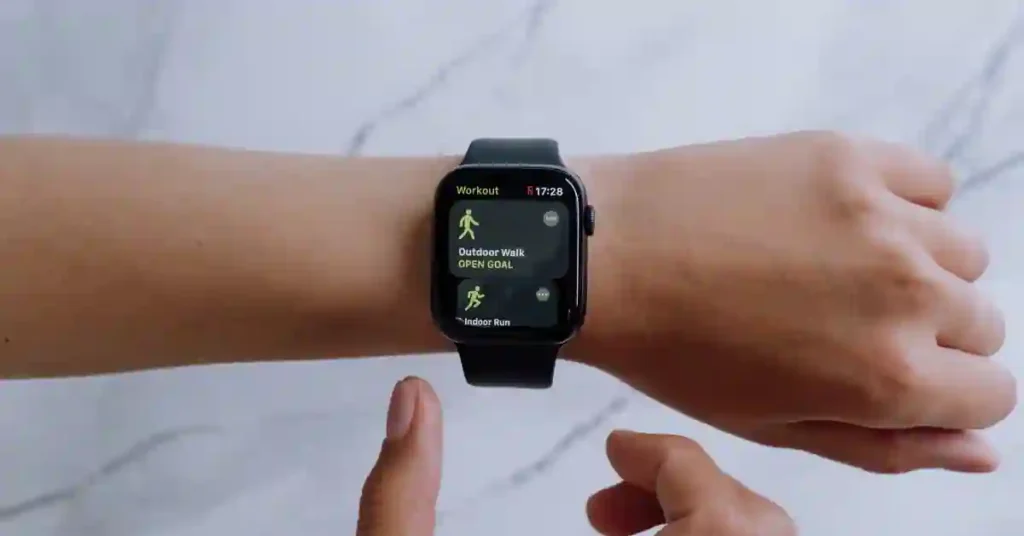
Why it wins: The most complete smartwatch for iPhone users. Looks great, tracks everything that matters, and actually fits a woman’s wrist without feeling like a brick.
The 42mm size hits the sweet spot. Light enough to forget you’re wearing it by noon, but the screen is big enough to read workout stats and texts without squinting. The rose gold aluminum case looks polished without screaming “tech gadget.” I’ve worn it to the gym, the office, and out to dinner — it works everywhere.
Health tracking is where it pulls ahead. Cycle tracking with retrospective ovulation estimates has gotten meaningfully smarter with watchOS updates. Sleep tracking, crash detection, fall detection, and ECG are all here. The temperature sensor adds an extra layer to the fertility data that other watches simply don’t offer.
Battery life is the one real compromise — you’ll charge it every night. Fast charging helps. A short charge while you get ready in the morning is usually enough to top it up.
If you’re an iPhone user and you want one watch that does everything well, this is still the answer in 2026.
Key specs:
- Sizes: 42mm / 46mm
- Battery: Up to 24 hours
- Water resistance: 50m
- Compatibility: iPhone only
What I love: Cycle tracking accuracy, always-on display, seamless iPhone integration
What I don’t: Daily charging, iPhone-only
![Apple Watch Series 11 [GPS 42mm] Smartwatch with Rose Gold Alumin...](https://m.media-amazon.com/images/I/31J+F-pXaWL._SL500_.jpg "Best Smartwatches for Women in 2026 — Tested for Style, Health & Battery 2")

2. Garmin Forerunner 165 — Best for Small Wrists Who Run
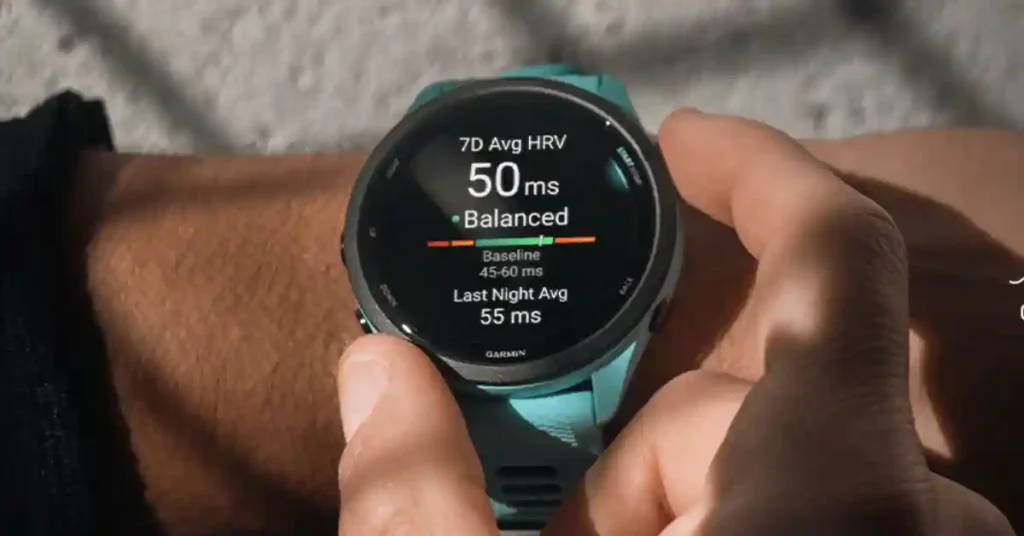
If you want a slim Garmin that actually fits a smaller wrist and doesn’t look like a hiking computer, the Forerunner 165 is the one to get.
It’s 43mm but sits surprisingly flat and light on the wrist — most women I’ve spoken to forget it’s there after the first day. The AMOLED display is bright and easy to read, which is a genuine step up from older Forerunner models with their washed-out LCD screens.
GPS accuracy is excellent. Multi-band GPS locks fast and stays accurate even in tree cover or urban canyons. For women who walk, run, or hike regularly, the tracking is reliable without being complicated.
Battery life hits around 11 days in smartwatch mode, dropping to around 19 hours with continuous GPS. That’s enough for a marathon without needing a charge.
Full Garmin health suite included — heart rate, HRV, Body Battery, stress, SpO2, sleep coaching, and a complete women’s health suite with cycle tracking and pregnancy tracking. No subscription needed for any of it.
Works with both iPhone and Android.
Key specs:
- Size: 43mm
- Battery: Up to 11 days smartwatch / 19 hours GPS
- Water resistance: 5 ATM
- Compatibility: iOS and Android
What I love: AMOLED display, accurate GPS, no subscription needed
What I don’t: No music storage, no maps

Before buying, read our full Garmin Forerunner 70 review to understand exactly what you get at $249 — including how it handles cycle tracking and sleep accuracy in real testing.
3. Samsung Galaxy Watch 8 — Best for Android Users
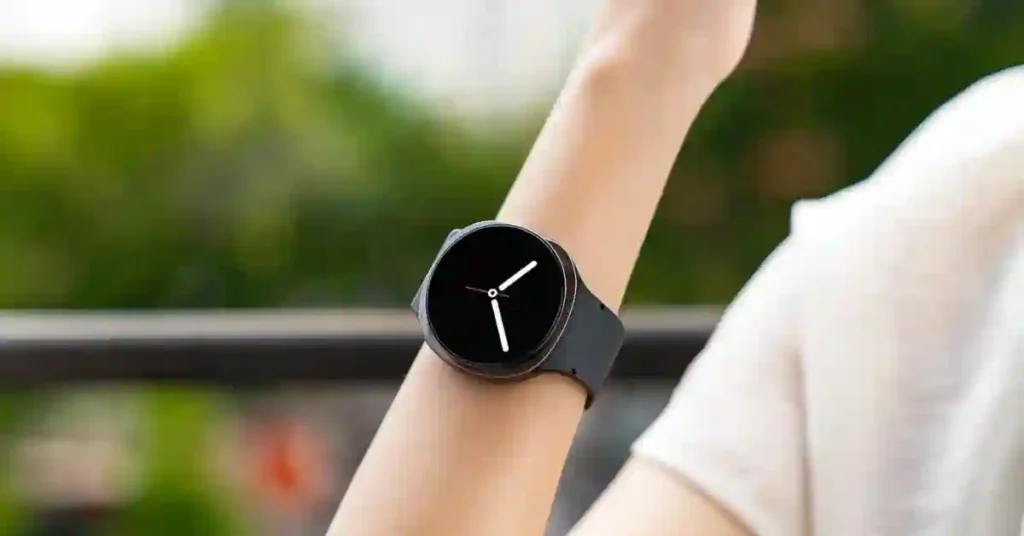
Why it wins: The most polished Android smartwatch for women in 2026. Slim, light, and packed with health sensors you’ll actually use.
The 40mm version is where this watch really shines for women. At just 30 grams, it’s one of the lightest Galaxy Watches Samsung has made. The cushion-round design sits flat on the wrist without digging in — I wore this for three straight days including sleep and forgot it was there.
The 1.3-inch Super AMOLED display is stunning. Outdoors at full brightness, it’s one of the clearest screens I’ve seen on any smartwatch. Notifications, workout stats, and health dashboards all look sharp.
Health tracking is deep. You get ECG, heart rate, SpO2, sleep apnea detection, body composition (BIA sensor), stress tracking, and a Vascular Load metric that gives you a window into cardiovascular stress and recovery. Blood pressure monitoring is available if you pair it with a compatible Samsung phone.
Battery life is around 36-40 hours, which means you can track sleep without charging every single night if you’re a light user. That’s a real improvement over older Galaxy models.
One limitation: some advanced health features require a Samsung phone, not just any Android device. If you’re using a Google Pixel or another brand, you’ll still get most features — but not all.
Key specs:
- Sizes: 40mm / 44mm
- Battery: Up to 40 hours
- Water resistance: 5ATM + IP68
- Compatibility: Android only
What I love: Stunning display, lightweight 40mm design, sleep apnea detection
What I don’t: Full features need Samsung phone, Android only

4. Garmin Venu 4 (41mm)— Best for Fitness and Long Battery Life
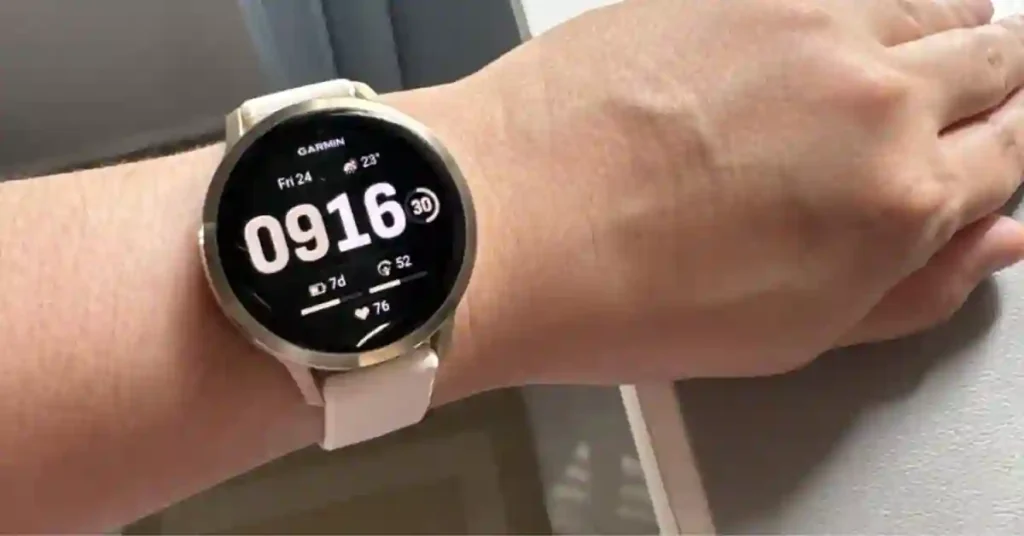
Why it wins: If you work out seriously and hate charging your watch every day, the Garmin Venu 4 is the answer. Ten days of battery life, accurate GPS, and a beautiful AMOLED display in one package.
The Venu 4 comes in 41mm and 45mm. The 41mm version fits smaller wrists well and still feels like a proper fitness watch — not a toy version. The AMOLED display is bright and smooth, which is a big upgrade from older Venu models with their LCD screens.
What makes the Venu 4 stand out is the combination of serious fitness tracking and everyday wearability. You get over 25 sports modes, accurate multi-band GPS, VO2 max tracking, training load, recovery time, and Garmin’s Body Battery metric — all of which I’ve found more useful day-to-day than what Apple and Samsung offer.
On the health side: heart rate, HRV, SpO2, sleep coaching, stress, and a full women’s health suite including menstrual cycle and pregnancy tracking. Garmin’s sleep coaching is more actionable than most — it gives you specific advice rather than just a sleep score.
Battery life is the headline. I consistently got 9-10 days in regular use. With GPS active during workouts, it still lasted 7+ days. That’s transformative if you’re used to daily charging.
Works with both iPhone and Android — a genuine advantage over Apple and Samsung watches.
Key specs:
- Sizes: 41mm / 45mm
- Battery: Up to 10 days regular use
- Water resistance: 5 ATM
- Compatibility: iOS and Android
What I love: 10-day battery, accurate GPS, works with any phone
What I don’t: More expensive than entry-level options, no ECG

5. Google Pixel Watch 4 — Best Compact Wear OS Watch
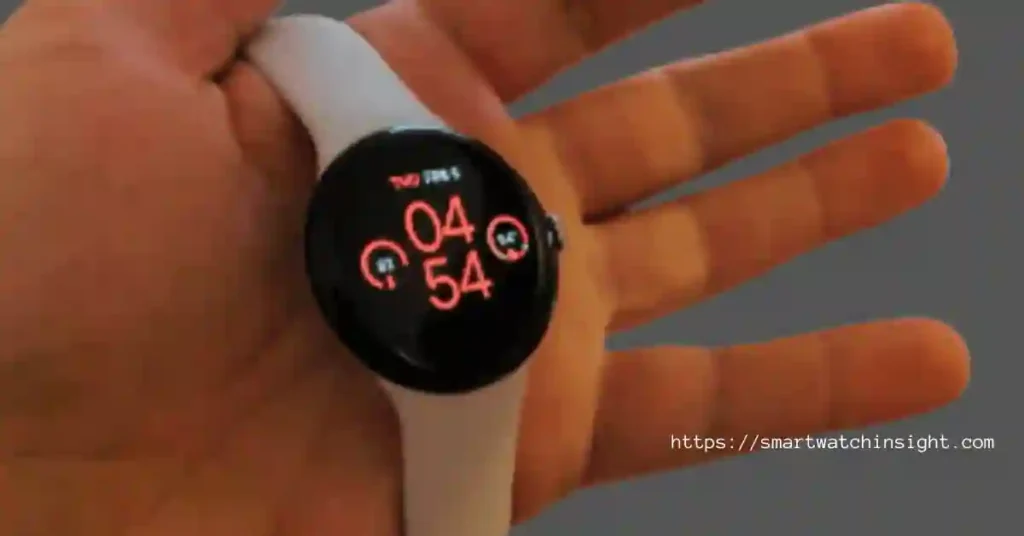
Why it wins: The most jewelry-like Android smartwatch available. Small, round, and premium — it looks more like an accessory than a gadget.
Google made meaningful upgrades with the Pixel Watch 4. The 41mm version fits smaller wrists perfectly. The domed Gorilla Glass display curves beautifully around the watch face, giving it a premium, bracelet-like feel that very few smartwatches achieve.
Wear OS 5 is the smoothest version of Google’s software yet. Notifications sync instantly with Android phones, especially Pixel devices. Google Maps navigation on the wrist is genuinely useful when you’re walking somewhere new. Google Pay works seamlessly.
Fitbit powers the health tracking inside. Heart rate accuracy was solid in my testing — consistent with chest strap readings during steady runs. Sleep tracking is one of Fitbit’s strengths — the stages breakdown and morning readiness score are clear and actionable.
Battery life is around 24 hours with the always-on display active, sometimes slightly more. It won’t last two days, so daily charging is part of the deal. Fast charging helps — 30 minutes gets it back to full.
The one thing to note: it works best with Android, specifically Pixel phones. Some features are limited on non-Pixel Android devices.
Key specs:
- Sizes: 41mm / 45mm
- Battery: Up to 24 hours (AOD on)
- Water resistance: IP68
- Compatibility: Android only
What I love: Gorgeous compact design, smooth Wear OS, accurate Fitbit health tracking
What I don’t: Daily charging, best on Pixel phones
6. Apple Watch SE 3 — Best Budget Pick for iPhone Users
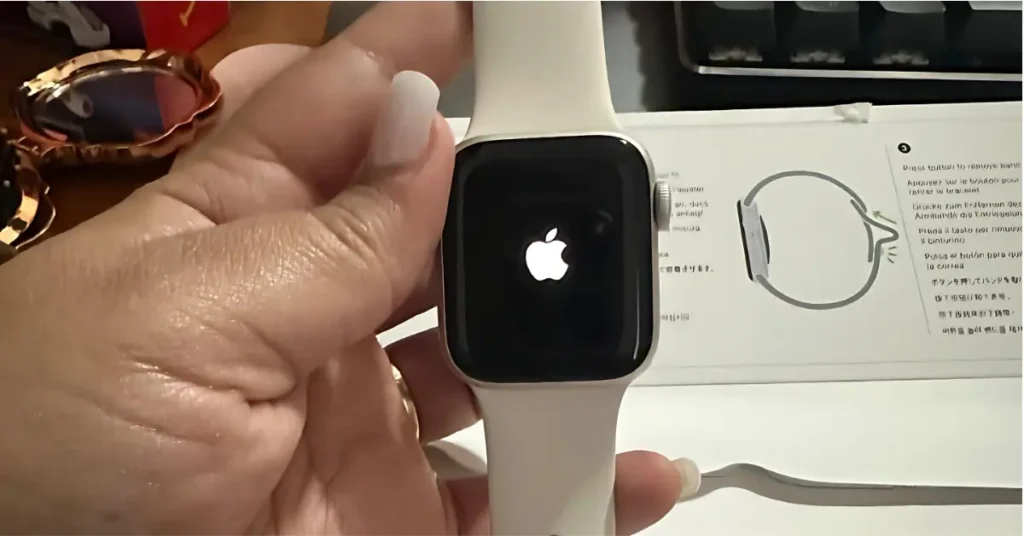
Why it wins: All the essential Apple Watch features — cycle tracking, fall detection, GPS, emergency SOS — at $199. Best value entry point into the Apple ecosystem.
The Apple Watch SE 3 doesn’t have everything the Series 11 does. No always-on display, no ECG, no temperature sensor. But for most women, what’s here is more than enough: accurate cycle tracking, heart rate monitoring, fall detection, emergency SOS, built-in GPS, and 50m water resistance.
The starlight aluminum case looks clean and modern. The 40mm size is comfortable for smaller wrists — not too light to feel cheap, not heavy enough to notice during the day.
Battery life is around 18 hours. Daily charging is necessary, but fast charging makes it painless — a quick top-up while you’re in the shower usually covers the rest of the day.
If you’re new to smartwatches, switching from an older Fitbit, or shopping on a tighter budget, the SE 3 is the obvious starting point for iPhone users.
Key specs:
- Sizes: 40mm / 44mm
- Battery: Up to 18 hours
- Water resistance: 50m
- Compatibility: iPhone only
What I love: Affordable Apple Watch experience, fall detection, cycle tracking
What I don’t: No ECG, no always-on display, daily charging
![Apple Watch SE 3 [GPS 40mm] Smartwatch with Starlight Aluminum Ca...](https://m.media-amazon.com/images/I/31YiTby0pOL._AC_.jpg "Best Smartwatches for Women in 2026 — Tested for Style, Health & Battery 14")
7. Garmin Vivoactive 6 — Best GPS Fitness Watch Without a Subscription
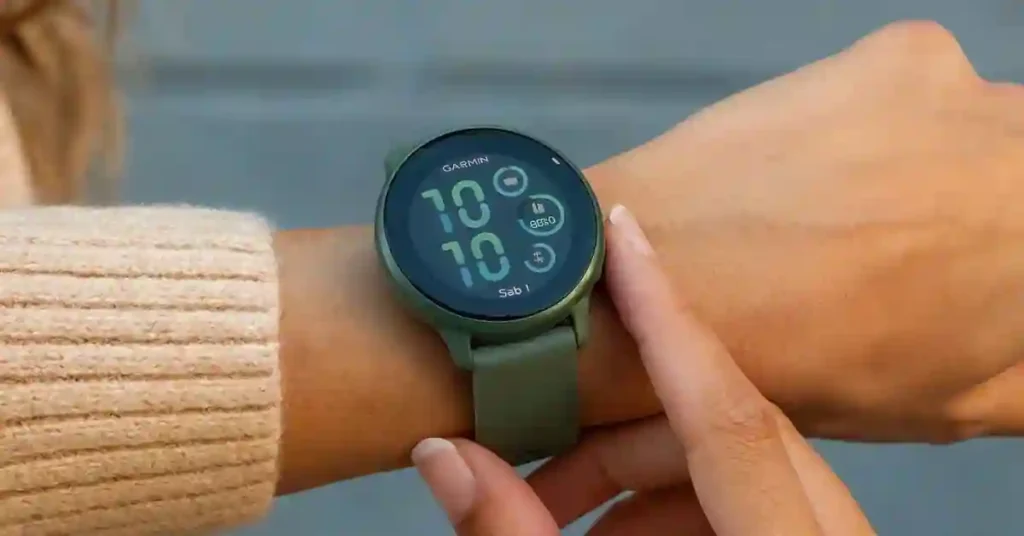
Why it wins: 11 days of battery life, built-in GPS, and Garmin’s full health platform — with no subscription required to see your advanced stats.
The Vivoactive 6 is the watch I recommend to women who want serious fitness tracking but don’t need all the bells and whistles of a top-tier Garmin. The AMOLED display is bright and smooth — a big upgrade from older Vivoactive models. Setup took me about an hour in the Garmin Connect app, but once I had it configured, I barely touched settings again.
Battery life is the headline: 8-11 days per charge in regular use. That’s transformative if you’re used to Apple or Samsung’s daily charging cycle. Even after five days of wear, I still had around 40% battery left.
Health tracking covers heart rate, HRV, stress, Body Battery, sleep, SpO2, and a full menstrual cycle tracking suite. No Garmin+ subscription needed to access any of the advanced metrics — which is a genuine differentiator over Fitbit’s premium-locked features.
The one real gap: no barometer, so no floor climbing counts. Minor for most women, but worth knowing.
Works with both iPhone and Android — the same advantage as every Garmin watch.
Key specs:
- Size: 40mm
- Battery: Up to 11 days
- Water resistance: 5 ATM
- Compatibility: iOS and Android
What I love: Multi-day battery, no subscription required, solid GPS
What I don’t: No barometer, smaller app ecosystem than Apple/Samsung

8. Fitbit Versa 4 — Best Budget All-Rounder
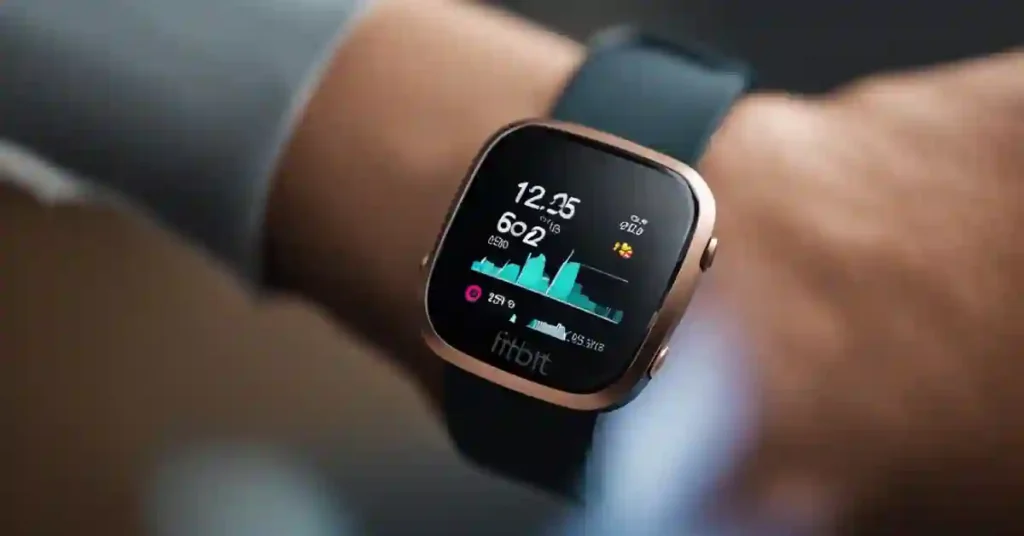
Why it wins: Simple, friendly, and effective at the basics. If you want a no-fuss smartwatch that handles fitness, sleep, and daily health tracking without complexity — the Versa 4 delivers at a great price.
The Fitbit Versa 4 has an approachable feel that fancier smartwatches sometimes lose. The interface is clean, the sleep tracking is genuinely excellent, and the 7-day battery life means you won’t be reaching for a charger mid-week.
Sleep tracking is Fitbit’s biggest strength. Time in light, deep, and REM sleep, along with a Daily Readiness Score that tells you whether to push hard or rest — these are more user-friendly than what most budget watches offer.
Alexa is built in, water resistance goes to 50m for swimming, and there are 40+ exercise modes. No ECG or dedicated stress sensor — that’s the trade-off at this price — but for most everyday users, those aren’t must-haves.
You’ll get 4-5 days of real-world battery life in typical use. The Fitbit app is one of the most approachable health apps available.
Fitbit explains how the Daily Readiness Score works in detail — it’s one of the more practically useful recovery metrics available at this price point.
Key specs:
- Size: 40mm
- Battery: Up to 7 days
- Water resistance: 50m
- Compatibility: iOS and Android
What I love: Excellent sleep tracking, easy to use, great price
What I don’t: No ECG, Fitbit Premium locks some features

If even $120 feels like too much, check our best fitness trackers under $100 for band-style alternatives.
9. Amazfit Active 2 — Best Battery Life Under $150
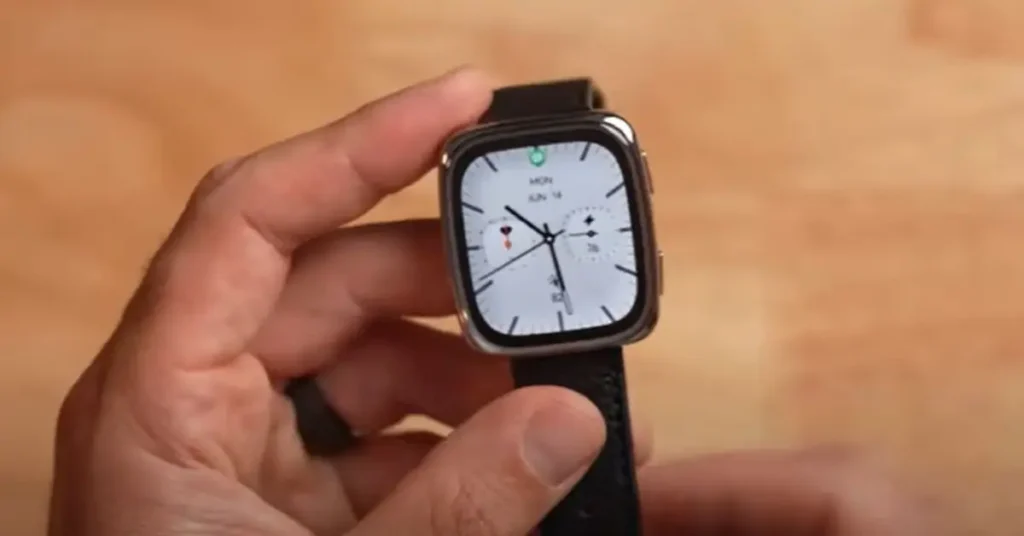
Why it wins: 10-day battery life, a bright AMOLED display, and a readiness score — for under $150. Nothing else comes close at this price.
The Amazfit Active 2 surprised me more than almost any watch I tested this year. The AMOLED screen is bright and detailed. The Zepp OS interface is clean and responsive. And the built-in GPS tracked distance accurately — on a test run next to a Garmin, we were within 0.01 miles of each other.
Health tracking covers heart rate, SpO2, sleep, stress, and a morning readiness score that combines your overnight data into a simple number. The Zepp app sends useful daily summaries that don’t overwhelm you with data.
Battery life is where it really stands out. I charge it once a week — about 30 minutes at a time. For under $150, that kind of endurance is exceptional.
Works with both iPhone and Android, though some features (like text reply) are limited on iPhone. If you’re an Android user, the experience is more complete.
Key specs:
- Battery: Up to 10 days
- Compatibility: iOS and Android
What I love: 10-day battery, accurate GPS, impressive value
What I don’t: Some features limited on iPhone, occasional software lag

10. Coros Pace 3 — Best for Serious Runners
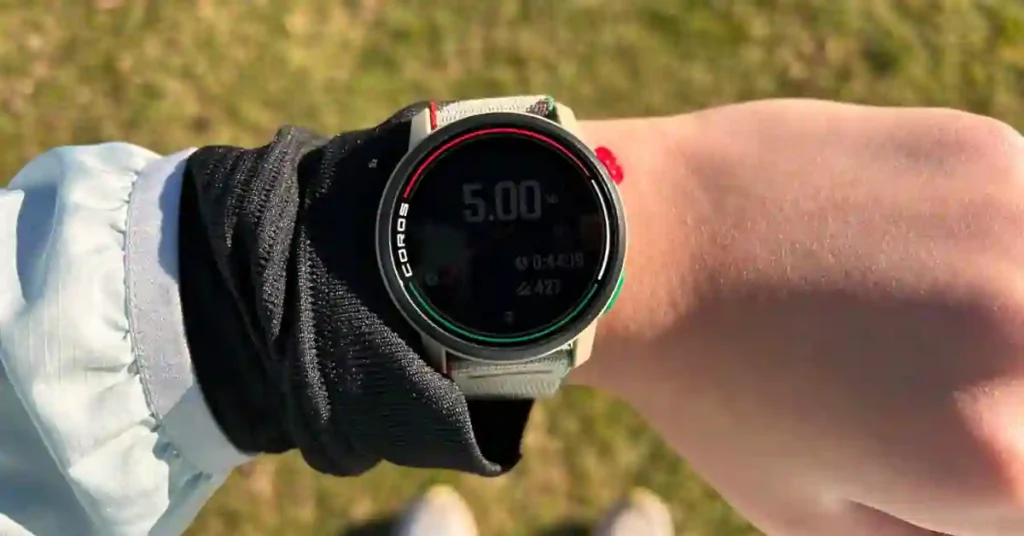
Why it wins: The lightest GPS running watch on this list, with 17 days of battery life and dual-frequency GPS accuracy. If running is your main sport, nothing on this list beats it.
The Coros Pace 3 almost disappears on your wrist. That’s not a figure of speech — at around 30 grams, it’s so light that I genuinely forgot I was wearing it on long runs. For race day, that matters.
The transflective display isn’t as flashy as AMOLED, but it’s easy to read outdoors — and it’s the reason battery life is so exceptional. In standard GPS mode, I averaged 15+ days per charge. Even with daily workouts tracked, I was charging once every 10 days.
Dual-frequency GPS locks on quickly and stays accurate in challenging conditions — around tall buildings, in tree cover, on winding trails. Heart rate accuracy tracked closely with my chest strap during most workouts.
Advanced training metrics include VO2 max, HRV, training load, recovery time, and race predictor. For women who run half marathons, triathlons, or just take their training seriously, these tools are genuinely useful.
Treadmill distance can be slightly off — edit it after your run. Outdoors, the accuracy is excellent.
Key specs:
- Battery: Up to 17 days
- Water resistance: IP68
- Compatibility: iOS and Android
What I love: Ultralight, dual-frequency GPS, exceptional battery life for runners
What I don’t: Treadmill tracking, less polished app than Garmin

If you need something tougher for serious outdoor use, our best rugged smartwatches guide covers hardcore outdoor options.
What Makes a Smartwatch Good for Women — What I Actually Tested
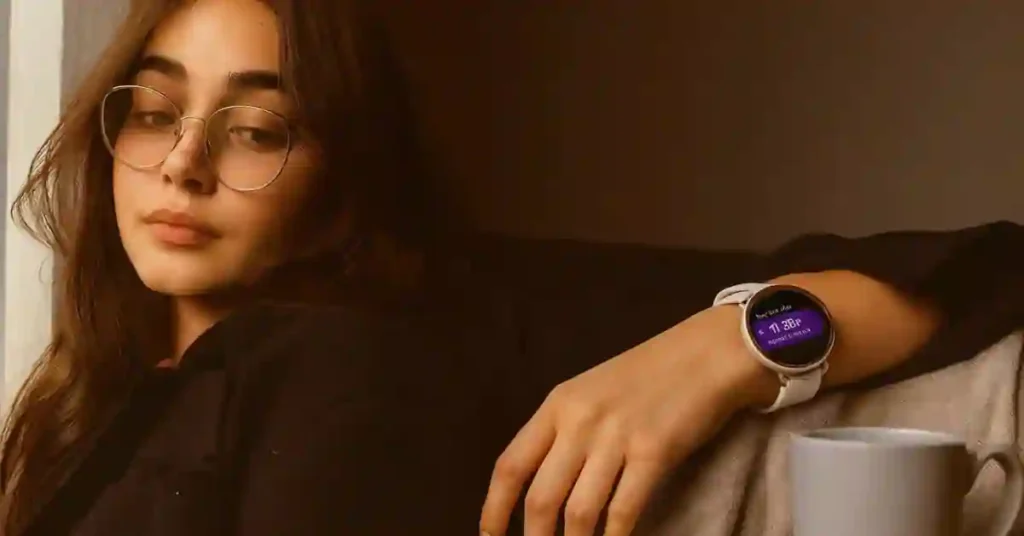
Before I get into the picking process, here’s what I focused on during testing — because most guides don’t explain this clearly.
Wrist size compatibility was the first filter. I focused on 40mm and under case sizes for each brand. Watches that only come in 45mm+ automatically score lower for most women. For women with smaller wrists who want a slim Garmin that tracks everything . The Garmin Forerunner 165 sits in a completely different category from a 47mm Samsung Ultra.
Women’s health features got extra weight. Cycle tracking that’s accurate and genuinely useful — not just a calendar. Ovulation estimates. Menstrual health insights. Pregnancy tracking for those who need it. These separate watches that were designed thoughtfully from ones that added women’s health as an afterthought.
24/7 comfort mattered as much as specs. A watch with 80 health sensors that digs into your wrist or feels heavy at 3am is useless for sleep tracking. I wore every watch on this list to bed.
Battery life in real life — not the advertised number. I ran each watch with always-on display active, an hour of GPS-tracked activity per day, and consistent notification flow. The number I report is what I actually saw, not the best-case scenario figure from the spec sheet.
How to Choose the Right Smartwatch for You
If you have an iPhone: Start with Apple Watch Series 11 (best features) or Apple Watch SE 3 (best value). Anything else will feel like a compromise.
If you have an Android: Samsung Galaxy Watch 8 if you have a Samsung phone. Google Pixel Watch 4 if you have a Pixel. Garmin if battery life is your priority over ecosystem integration.
If you have small wrists: If you have small wrists: Garmin Forerunner 165 or Apple Watch SE 3 (40mm) are your best options. Both sit comfortably on narrower wrists without feeling oversized.
If you care about battery life above all else: Garmin Venu 4 (10 days), Garmin Vivoactive 6 (11 days), or Amazfit Active 2 (10 days). Apple and Samsung watches will always need daily charging.
If you run seriously: Coros Pace 3 first. Garmin Vivoactive 6 second. Both offer GPS accuracy and multi-day battery that running-focused women actually need.
If you’re on a budget: Apple Watch SE 3 ($199 for iPhone users) or Fitbit Versa 4 (~$120 for either phone) are the best entries at their price points.
If budget is your first filter, our best smartwatches under $200 guide narrows it down further.
Women’s Health Features — What to Actually Look For
This deserves its own section because it gets glossed over in most guides.
Cycle tracking is available on almost every watch now, but quality varies. Apple Watch’s temperature-based ovulation estimates are the most advanced. Garmin’s cycle data integrates with Body Battery to show you how your energy levels shift through your cycle — which is more practically useful than just tracking dates.
Pregnancy tracking is available on Apple Watch, Samsung Galaxy Watch 8, and Garmin Venu 4. If this matters to you, it’s worth specifically checking the app for your device.
Stress and recovery tools matter more than most women realize. Garmin’s Body Battery, Samsung’s Vascular Load metric, and Fitbit’s Daily Readiness Score all approach this differently — but any of them can help you understand when to push hard and when your body needs rest.
Fall detection and emergency SOS are worth having. Apple Watch handles this best, with automatic calls to emergency services and contacts.
Samsung Galaxy Watch 8 also has fall detection. If you’re buying for an elderly parent or someone who lives alone, check out our full guide to smartwatches with fall detection.
External Reference
For women’s health tracking specifically, Garmin’s official documentation on Health Snapshot and women’s health features explains how the sensors work in detail — worth reading if you want to understand what’s actually being measured.
Final Thoughts
The best smartwatch for you depends on three things: your phone, your wrist size, and what you care about most.
For iPhone users — Apple Watch Series 11 is still the answer. For Android users who want the best overall experience — Samsung Galaxy Watch 8. For women with smaller wrists who want a slim Garmin that tracks everything — Garmin Forerunner 165. For serious runners — Coros Pace 3.
None of these watches is perfect. But all of them are genuinely good — and any one of them is better than wearing nothing and hoping your phone step counter is accurate.
FAQ
What is the best smartwatch for women in 2026?
For iPhone users, the Apple Watch Series 11 is the best overall pick. For Android users, the Samsung Galaxy Watch 8 is the strongest option.
What smartwatch is best for a woman with small wrists?
The Garmin Forerunner 165 and Apple Watch SE 3 (40mm) are the most comfortable options for smaller wrists. Both sit flat, feel light, and are genuinely wearable 24/7.
Do smartwatches have cycle tracking?
Yes — most modern smartwatches include menstrual cycle tracking. Apple Watch Series 11 and SE 3 offer the most advanced cycle and ovulation tracking via the Health app. Garmin watches include it across most models including the Garmin Vivoactive 6 and Venu 4. Samsung Galaxy Watch 8 also has comprehensive women’s health tracking.
What smartwatch has the best battery life for women?
The Garmin Vivoactive 6 (up to 11 days), Garmin Venu 4 (up to 10 days), and Amazfit Active 2 (up to 10 days) lead on battery life. Apple and Samsung watches require daily charging.
Is the Garmin Forerunner 165 good for women?
Yes — it’s one of the best slim Garmin options for women in 2026. The AMOLED display, accurate GPS, 11-day battery, and full women’s health suite make it a strong choice at its price point. Works with both iPhone and Android.
What’s the best budget smartwatch for women?
The Fitbit Versa 4 at around $120 is the best budget option for all-around use. The Apple Watch SE 3 at $199 is the best budget entry for iPhone users specifically.