
Most wearables want your attention. Zepp Health wants your silence.
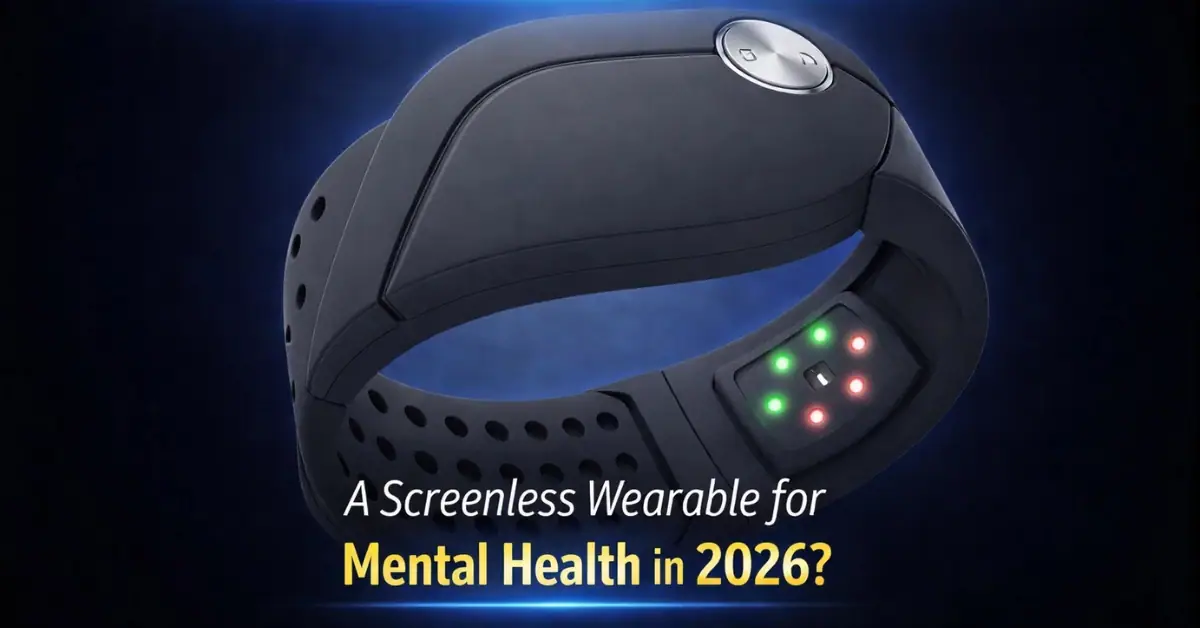
While the smartwatch industry races toward bigger screens, louder notifications, and wrist-mounted apps, leaked information suggests the Amazfit parent company is developing something radically different: a screenless wearable designed to understand your emotions.
- No display.
- No alerts.
- No constant reminders to check your wrist.
Instead, this mysterious device—often referred to as the “Emotion Band”—may quietly track how your body reacts to stress, anxiety, excitement, and emotional overload throughout the day.
If the leaks are accurate, Zepp Health isn’t just launching another wearable.
It’s betting on a future where mental health data matters more than screen time.
Note: This article is based on leaks, patent-style illustrations, and industry analysis. Final details may change.
Technical Specs at a Glance
| Feature | Specification |
| Model Type | Screenless Emotional Intelligence Band |
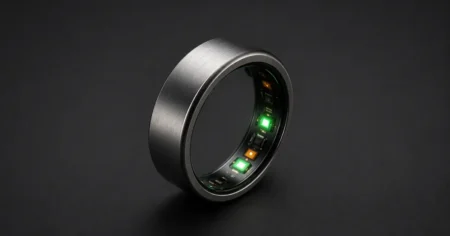
| Core Sensor | BioTracker™ 6.0 PPG (5PD + Dual-LED) |
| Stress Sensing | Electrodermal Activity (EDA) Electrode |
| Contextual Data | Ambient Temperature, Air Pressure, Humidity |
| AI Model | Recursive Closed-Loop Feedback |
| Compatibility | Zepp App (iOS & Android) |
Why Zepp’s Screenless Idea Feels So Counter-Intuitive — and So Right
For years, wearable innovation followed one rule:
More features = more screens.
But mental health doesn’t work that way. Notifications can increase anxiety. Constant metrics can fuel obsession.
And screens can distract from the very awareness wearables are supposed to create. By removing the display entirely, Zepp may be solving a problem most brands ignore:
How do you track emotional health without making users more stressed?
This device isn’t meant to be checked. It’s meant to be trusted.
What the Leaks Reveal About Zepp’s “Emotion Band”
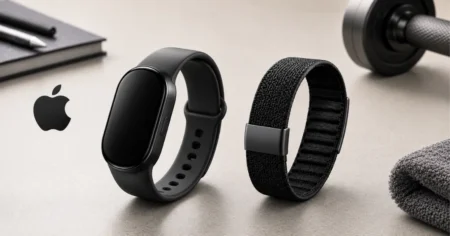
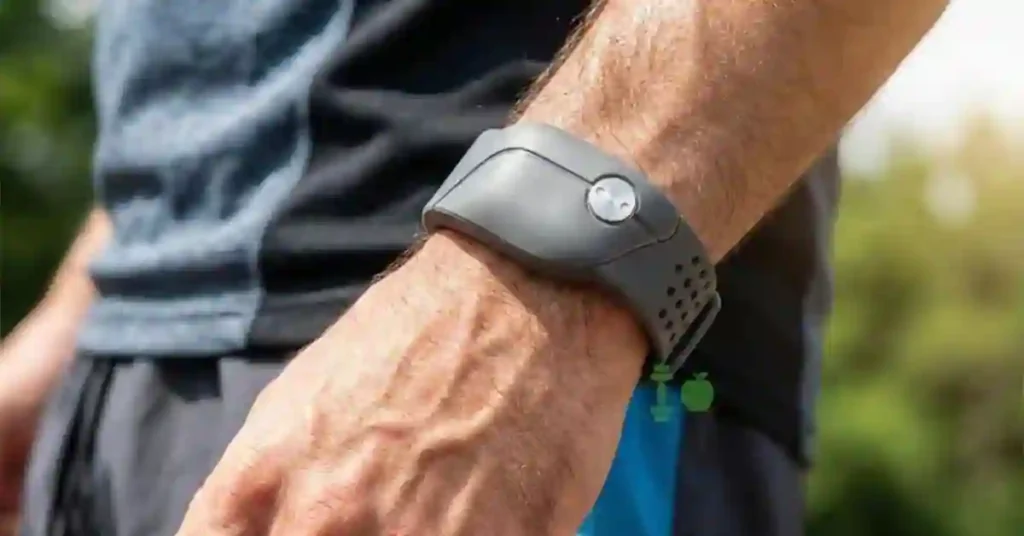
According to leaked visuals and internal references, the Emotion Band appears to be a low-profile module designed for continuous skin contact, likely worn on the wrist or arm.
What makes it different isn’t how it looks—it’s what it senses.
The Sensor Stack That Makes Emotional Tracking Possible
1. Heart Rate Variability Powered by BioTracker™ 6.0
Zepp’s latest-generation optical sensor, BioTracker 6.0, is reportedly at the core of this device.
HRV (Heart Rate Variability) is one of the most reliable indicators of:
- Stress response
- Nervous system balance
- Mental fatigue
Unlike simple heart rate, HRV shows how well your body is coping, not just how fast your heart beats.
2. Electrodermal Activity (EDA): Reading Emotional Arousal
One leaked design detail stands out: a metallic disc on the device’s body.
This isn’t decorative.
It’s believed to be an EDA electrode, capable of measuring changes in skin conductance caused by emotional arousal—like anxiety, fear, or excitement.
EDA is widely used in:
- Psychological research
- Lie detection systems
- Clinical stress studies
Few consumer wearables use it well. Zepp appears ready to change that.
3. Environmental Awareness (The Smartest Detail So Far)
Here’s where Zepp gets clever.
Leaks suggest the Emotion Band also tracks:
- Ambient temperature
- Air pressure
Why does that matter?
Because your body reacts to heat, altitude, and environment in ways that can mimic stress.
By understanding context, the device can tell the difference between:
- A racing heart from a hot room
- A racing heart from an emotional argument
That distinction is crucial for meaningful emotional insights.
The AI That Learns Your Emotional Language
Most wearables use generic algorithms trained on large populations.
Zepp’s leaked system appears to do the opposite.
A Closed-Loop Learning Model
- The device detects a physiological pattern
- The app checks in: “You seem calm. Is this accurate?”
- Your response corrects the AI
- The model adjusts specifically to you
Over time, the system learns how your body expresses emotion—not how an average dataset behaves.
That’s a huge leap forward.
From Daily Mood Logs to Long-Term Mental Health Insights
This isn’t about tagging days as “good” or “bad.”
The real promise lies in trend detection.
Over weeks and months, the Emotion Band could reveal:
- Rising baseline stress
- Emotional exhaustion patterns
- Burnout warning signs
- Recovery plateaus
Instead of reacting to emotional breakdowns, the goal is early awareness.
How It Stacks Up Against Whoop and Oura
| Wearable | Core Focus | Emotional Intelligence |
|---|---|---|
| Whoop 5.0 | Athletic recovery | Indirect |
| Oura Ring Gen 4 | Sleep & readiness | Limited |
| Zepp Emotion Band (Leak) | Mental health & emotion | Primary |
Whoop tells you how hard your body worked.
Oura tells you how well you slept.
Zepp wants to tell you how you’re actually feeling.
Why This Fits Perfectly Into Zepp’s Ecosystem
Zepp Health already offers:
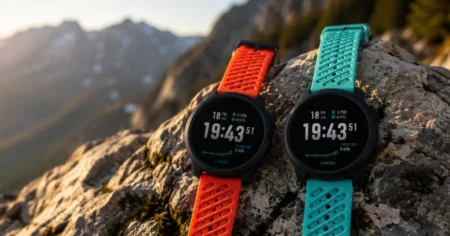
- Rugged outdoor watches
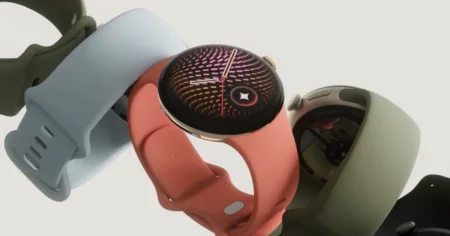
- Lifestyle smartwatches
- Recovery straps
The Emotion Band doesn’t replace them—it adds emotional context across the entire ecosystem.
Imagine:
- Training data + emotional strain
- Sleep quality + anxiety patterns
- Recovery scores + mental fatigue
That’s powerful.
Who This Device Is Really For
This isn’t just for athletes.
Potential users include:
- Burned-out professionals
- Remote workers
- Students under pressure
- People in therapy
- Anyone trying to understand stress triggers
It’s less about optimization—and more about self-awareness.
The Privacy Question No One Can Ignore
Tracking emotions means handling deeply personal data.
If Zepp moves forward, transparency will be critical:
- On-device processing
- Clear opt-ins
- No emotional profiling for ads
Without trust, emotional wearables won’t survive.
Will Zepp Launch This in 2026?
Nothing is official yet.
But the sophistication of the leaked technology suggests this isn’t a distant concept. A 2026 launch window would make sense—and could place Zepp years ahead of competitors in emotional intelligence.
Final Thought: Why Silence Might Be the Next Big Feature
In a world full of buzzing wrists and blinking screens, Zepp’s quiet approach feels bold.
A wearable that doesn’t interrupt you.
A device that learns before it speaks.
Technology that listens more than it shows.
If the Emotion Band becomes reality, it may redefine what we expect from wearables—not by adding more features, but by getting out of the way.
And that might be exactly what mental health technology needs next.
Frequently Asked Questions (FAQ)
1. How does a wearable know what I’m feeling?
The “Emotion Band” uses Biometric Fusion. By combining data from the BioTracker™ 6.0 (heart rate variability) and the EDA electrode (skin conductance), the device detects spikes in your sympathetic nervous system. Because your body reacts to stress, excitement, and sadness in distinct physiological ways, the AI can categorize these patterns into emotional states.
2. What is an EDA sensor and why is it on the wrist?
Electrodermal Activity (EDA) measures the minute changes in sweat gland activity on your skin. Traditionally used in clinical settings, Zepp’s 2026 implementation uses a high-sensitivity electrode to detect “micro-sweat” triggered by emotional arousal. On the wrist, it provides a consistent, non-invasive way to track your “fight or flight” response throughout the day.
3. Why is there no screen on the new Zepp wearable?
Research shows that Health Data Anxiety is a growing concern. Constant notifications and blinking metrics can actually increase cortisol levels. By removing the screen, Zepp promotes “intentional technology”—you only check your emotional trends when you are ready to process them in the app, rather than being interrupted mid-stress.
4. Can the device tell the difference between a workout and a panic attack?
Yes. This is the advantage of the Ambient Context Sensors. If your heart rate and skin conductance spike while the accelerometer detects no movement and the ambient temperature is cool, the AI recognizes this as a psychological event (like stress) rather than a physical one (like heat or exercise).
What do you think? Are you ready to ditch the screen for a wearable that actually understands your mood, or do you prefer having your metrics visible at all times?
- Drop a comment below: Tell us if you’d wear a screenless “Emotion Band.”
- Subscribe to the Newsletter: Stay ahead of the curve with exclusive deep dives into the 2026 wearable revolution.