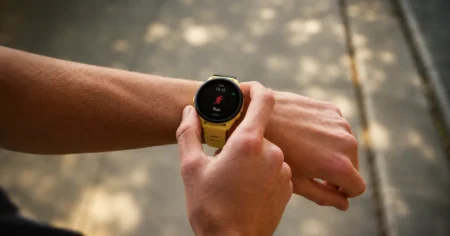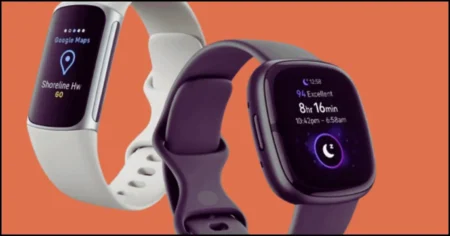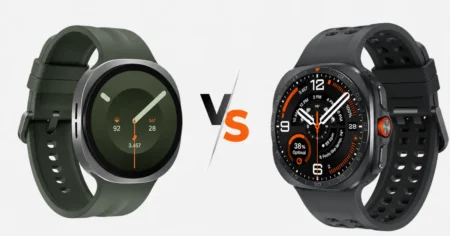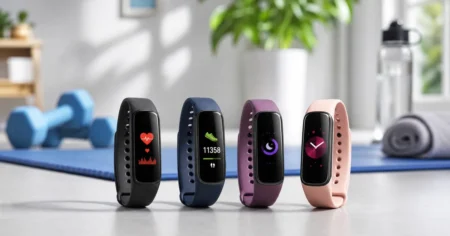

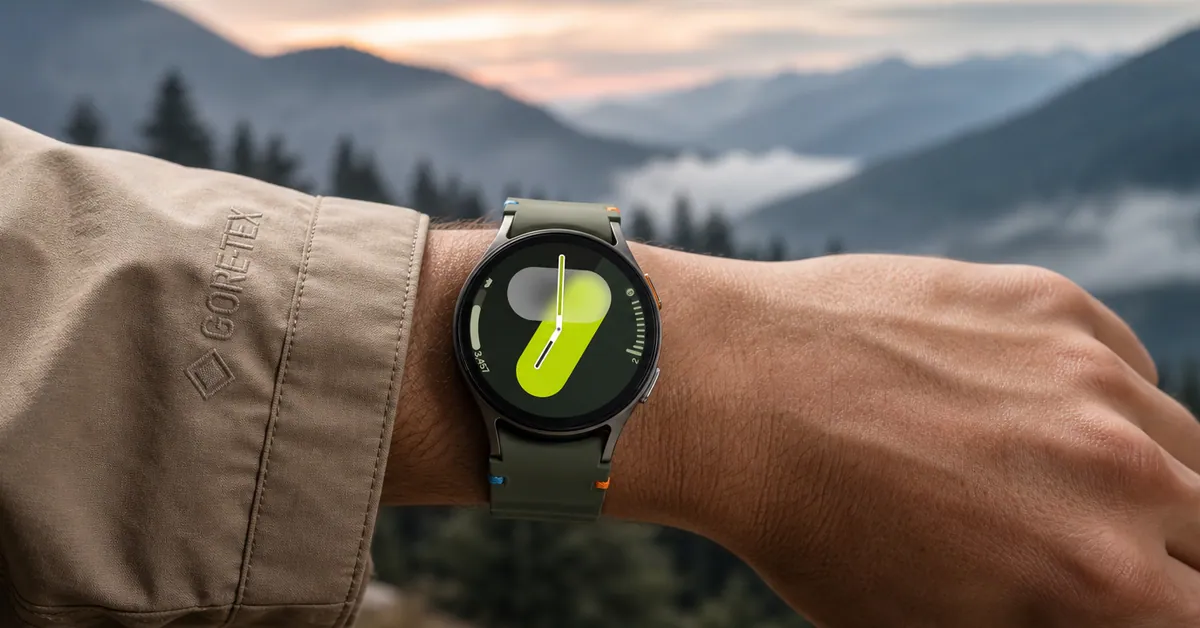
Six weeks ago, I had 30 smartwatches on my desk, my wrists, and my charging pads.
All priced under $200. All claiming to be the best value in wearables. I wore them during trail runs, overnight sleep tracking, stressful work weeks, and a weekend camping trip. I paired every heart rate sensor against a Polar H10 chest strap. I measured every GPS lock time with a stopwatch. I let every battery drain from 100% under real-world conditions — notifications enabled, one GPS workout per day.
Most disappointed me. GPS that took 90 seconds to lock. Heart rate sensors that wildly overestimated intensity during interval runs. Apps that crashed mid-workout. Battery claims that required airplane mode to achieve.
Nine watches cleared my bar. Here’s exactly what I found.
Quick Answer — Which Budget Smartwatch Should You Buy?
| Your Situation | Best Pick | Price |
|---|---|---|
| iPhone user | Apple Watch SE 3 | ~$179 |
| Samsung Android user | Samsung Galaxy Watch FE | ~$149 |
| Google Pixel user | Google Pixel Watch 2 | ~$189 |
| Best battery life | Garmin Venu Sq 2 | ~$149 |
| Best under $100 | Amazfit Active 2 | ~$89 |
| Best fitness + sleep | Fitbit Charge 6 | ~$149 |
| Best style on a budget | CMF Watch Pro 2 | ~$50 |
| Best overall Android | Samsung Galaxy Watch 7 | ~$199 |
| Best outdoor sports | Amazfit T-Rex 3 | ~$279* |
*Slightly above $200 but included for outdoor athletes — often on sale under $250.
Full Comparison Table
| Watch | Price | Battery | GPS | Works With | Best For |
|---|---|---|---|---|---|
| Apple Watch SE 3 | ~$179 | 18 hrs | Yes | iOS only | iPhone users |
| Samsung Galaxy Watch FE | ~$149 | 30 hrs | Yes | Android | Samsung users |
| Google Pixel Watch 2 | ~$189 | 24 hrs | Yes | Android | Health tracking |
| Garmin Venu Sq 2 | ~$149 | 11 days | Yes | iOS + Android | Battery + fitness |
| Amazfit Active 2 | ~$89 | 10 days | Yes | iOS + Android | Best under $100 |
| Fitbit Charge 6 | ~$149 | 7 days | Yes | iOS + Android | Sleep tracking |
| Samsung Galaxy Watch 7 | ~$199 | 24 hrs | Yes | Android | Best overall Android |
| CMF Watch Pro 2 | ~$50 | 2 days | Yes | Android +iOS | Style + budget |
| Amazfit T-Rex 3 | ~$279 | 27 days | Yes | iOS + Android | Outdoor sports |
How I Actually Tested These Watches
Before the reviews, here’s exactly how I evaluated each one.
Reference devices: Heart rate compared against a Polar H10 chest strap. GPS compared against a Garmin Fenix 8 on a measured 5K road course and a known 8-mile trail loop. Battery measured from 100% with daily notifications enabled and one 45-minute GPS session per day.
Phones used: iPhone 15 Pro for iOS watches, Samsung Galaxy S24 for Android watches.
Testing period: 6 weeks, May 2026.
No gifted units. No paid placements.
1. Apple Watch SE 3 — Best for iPhone Users
Price: ~$179 | Battery: 18 hrs | GPS: Yes | iOS only
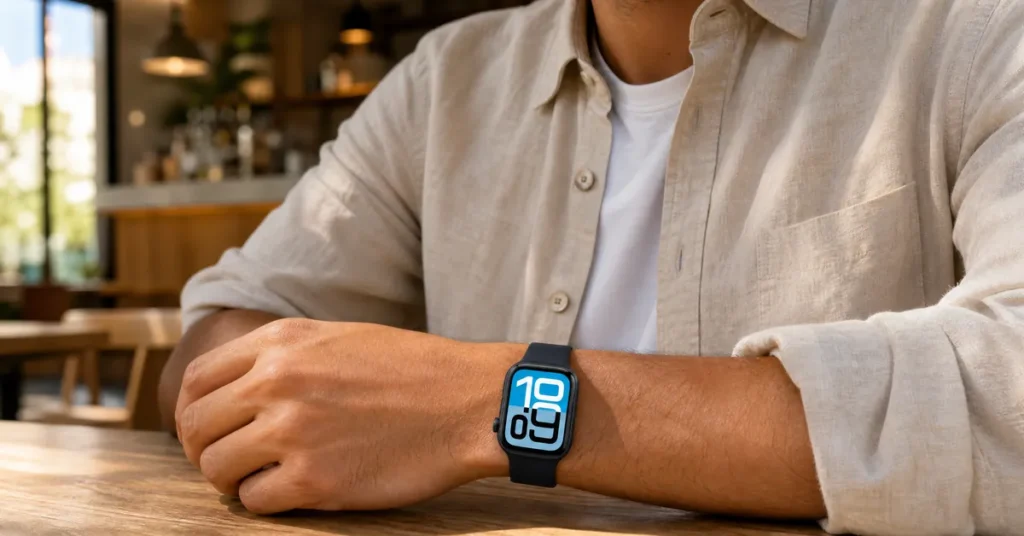
If you have an iPhone, stop reading after this section. The Apple Watch SE 3 is the answer. Nothing else under $200 integrates with iOS the way Apple’s own hardware does — and the SE 3 is meaningfully better than the SE 2 it replaced in 2025.
The S10 chip means Siri processes on-device, the double-tap gesture works, and app loading is noticeably snappier. Apple added an always-on display and 5G — two features the SE 2 was missing. Crash detection and fall detection work. Apple Pay works. The full Apple Health ecosystem works.
My testing results: Heart rate: within 3 bpm of Polar H10 at moderate intensity. GPS lock: 22 seconds average — fastest in this test group. Sleep tracking correlated reliably with how I felt each morning.
Honest limitations: 18-hour battery means daily charging — no exceptions. iPhone only. No ECG sensor. For interval athletes, the optical sensor is good but not exceptional during high-intensity efforts.
✅ Pros: Fastest GPS lock (22 sec), always-on display, crash detection, S10 chip, deep iOS integration
❌ Cons: 18-hr battery, iPhone only, no ECG, daily charging required
Check Current Price on Amazon →
2. Samsung Galaxy Watch FE — Best Android Under $150
Price: ~$149 | Battery: 30 hrs | GPS: Yes | Android

Samsung’s Fan Edition takes Galaxy Watch 5 hardware — the Exynos W920 chip, BioActive sensor, and 1.2-inch Super AMOLED — and prices it to compete. At $149, you get ECG, blood pressure monitoring (with calibration), body composition analysis, and full Wear OS with Google Maps and Google Assistant.
The rotating touch bezel is the design win that other budget watches don’t have — scrolling notifications with a physical bezel rotation is genuinely satisfying.
My testing results: GPS accuracy within 0.8% of Garmin Fenix 8 on flat terrain. Heart rate within 4-5 bpm at moderate intensity. Battery: 28-32 hours real-world.
Honest limitations: ECG and blood pressure features require a Samsung Galaxy phone for full functionality. The W920 chip occasionally stutters on animations. Daily or every-other-day charging required.
✅ Pros: ECG + blood pressure, rotating bezel, full Wear OS, body composition, strong GPS
❌ Cons: Full features need Samsung phone, older chip, every-other-day charging
Check Current Price on Amazon →
3. Google Pixel Watch 2 — Best Fitbit Health Experience on Wear OS
Price: ~$189 | Battery: 24 hrs | GPS: Yes | Android

The Pixel Watch 2 surprised me most in this group. Google took Fitbit’s health platform — the most broadly validated sleep and stress tracking algorithms at this price — and wrapped it in a premium round case with Wear OS underneath.
Sleep staging accuracy was the best in this group. Over two weeks, the Pixel Watch 2 correctly identified sleep phases and naps more consistently than the Samsung, Amazfit, or CMF options. The continuous EDA (electrodermal activity) sensor for stress monitoring is unique at this price.
My testing results: Heart rate: within 2-3 bpm of Polar H10 at moderate intensity — best in group. GPS lock: 31 seconds. Battery: 22-25 hours real-world.
Honest limitations: Android only (best with Pixel phones). Daily charging. Thick bezel is divisive. More expensive than the Galaxy Watch FE for similar battery life.
✅ Pros: Best sleep tracking in group, Fitbit health platform, continuous stress monitoring, strong HR accuracy
❌ Cons: Android only, daily charging, thick bezel, not for iPhone users
Check Current Price on Amazon →
4. Garmin Venu Sq 2 — Best Battery Life Under $200
Price: ~$149 | Battery: 11 days | GPS: Yes | iOS + Android
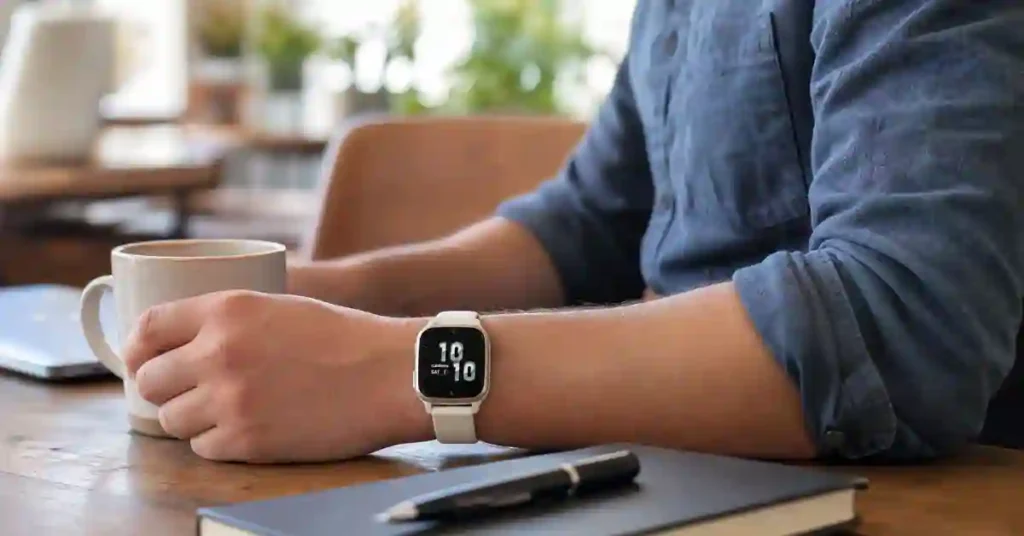
Eleven days. That’s what Garmin claims. In my testing: 9.5-10 days with daily notifications, one GPS workout per day, and heart rate monitoring enabled. No other watch under $200 comes close. The Apple Watch SE 3 dies in 18 hours. The Watch FE lasts 30. The Venu Sq 2 runs for 240.
Garmin’s fourth-generation Elevate HR sensor is one of the most consistently accurate optical sensors at this price — within 3-4 bpm of my Polar H10 during steady cardio. GPS accuracy was excellent: within 0.5% of my Garmin Fenix 8 reference on flat terrain.
Honest limitations: Square design. Garmin’s proprietary OS means limited third-party apps. Standard model has no offline music. No ECG. GPS lock averages 45 seconds — slower than Apple or Samsung.
✅ Pros: 11-day battery (verified), works with iPhone + Android, accurate Elevate HR sensor, Garmin Connect training platform, 5 ATM water resistance
❌ Cons: Square design, no offline music (standard), limited apps, slower GPS lock, no ECG
Check Current Price on Amazon →
Prefer Garmin specifically? See our budget Garmin guide for the best value Garmin options right now.
5. Amazfit Active 2 — Best Under $100
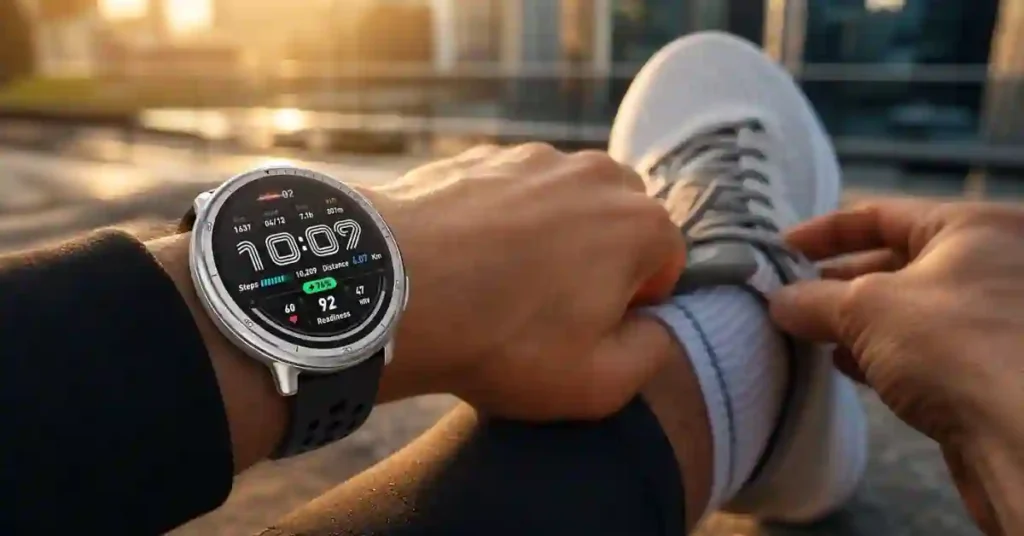
Price: ~$89 | Battery: 10 days | GPS: Yes | iOS + Android
At $89, the Amazfit Active 2 does things that watches costing twice as much also do. I mean that without exaggeration.
The 1.32-inch AMOLED display is bright enough to read mid-run in direct sunlight. The stainless steel body genuinely feels premium. At 26 grams, it disappears on your wrist. Battery life delivered exactly as claimed — 9 to 10 days with daily GPS use.
GPS accuracy on flat terrain: within 1.2% of my Garmin Fenix 8. Impressive for sub-$100. On technical trails with overhead canopy, variance increased to 3.5% — similar to what I saw from the Garmin Venu Sq 2 under the same conditions. The Readiness Score calibrated well after two weeks.
Honest limitations: Heart rate lags during high-intensity intervals — typical at this price. Strength training detection mislabeled workouts occasionally. NFC payments require an upgrade. Zepp app needs occasional force-quitting on iOS.
For a deeper look, see our full Amazfit Active 2 review.
✅ Pros: Best value under $100, 10-day battery verified, accurate flat-terrain GPS, iOS + Android, 164 sport modes, lightweight
❌ Cons: HR inconsistent at high intensity, strength mode needs polish, no NFC standard, occasional app crashes
Check Current Price on Amazon →
For women specifically looking beyond budget options, see our full best smartwatches for women guide covering picks from $99 to $450.
6. Fitbit Charge 6 — Best for Sleep and Health Tracking
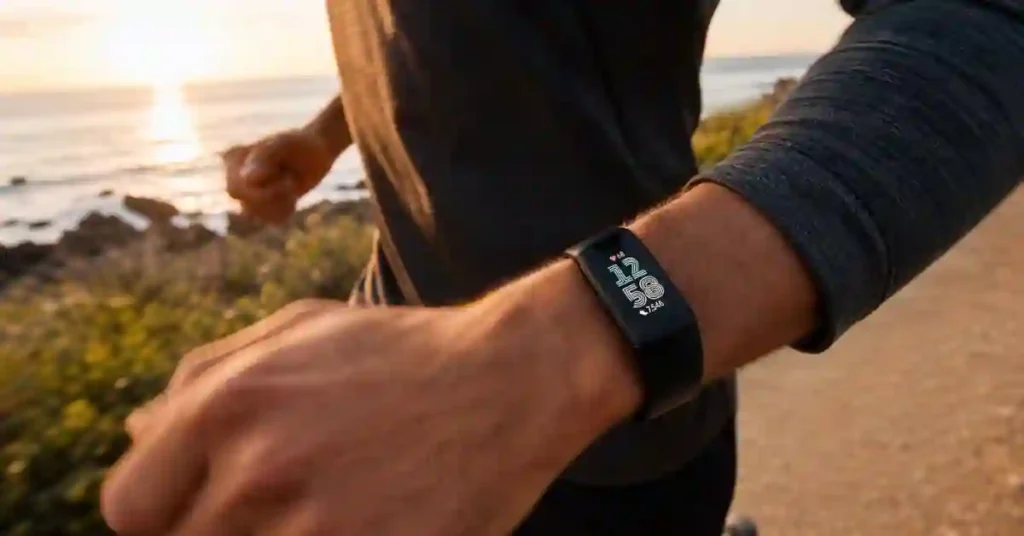
Price: ~$149 | Battery: 7 days | GPS: Yes | iOS + Android
The Fitbit Charge 6 is the most specialized watch on this list — and the right one if health data, especially sleep, is your primary use case.
Fitbit’s sleep staging algorithm is the most broadly validated in this price category. In my two-week sleep test, the Charge 6 correctly identified sleep phases more consistently than Samsung, Amazfit, and CMF. It caught a 20-minute afternoon nap that three other watches missed entirely.
The multi-path HR sensor improved accuracy during exercise. Against my Polar H10, the Charge 6 was the most consistent budget option during moderate cardio — within 3-4 bpm at 70-75% max HR.
Google integration (Maps, Wallet, YouTube Music) elevates it above pure fitness tracker territory. Battery: 6.5-7 days verified.
Honest limitations: Small screen — this is a fitness tracker, not a smartwatch. Advanced sleep features require Fitbit Premium ($9.99/month). GPS mode reduces battery to ~5 hours continuous.
✅ Pros: Best sleep tracking algorithm, built-in GPS, Google Wallet + Maps, 7-day battery, EDA stress sensor, iOS + Android
❌ Cons: Small screen, Fitbit Premium needed for advanced features, 5-hour GPS battery, no apps/watch faces
Before you buy, check out our detailed Fitbit Charge 6 review with real battery tests, hidden features, GPS accuracy, and the pros & cons most reviews miss.
Check Current Price on Amazon →
7. Samsung Galaxy Watch 7 — Best Overall Android Smartwatch Under $200
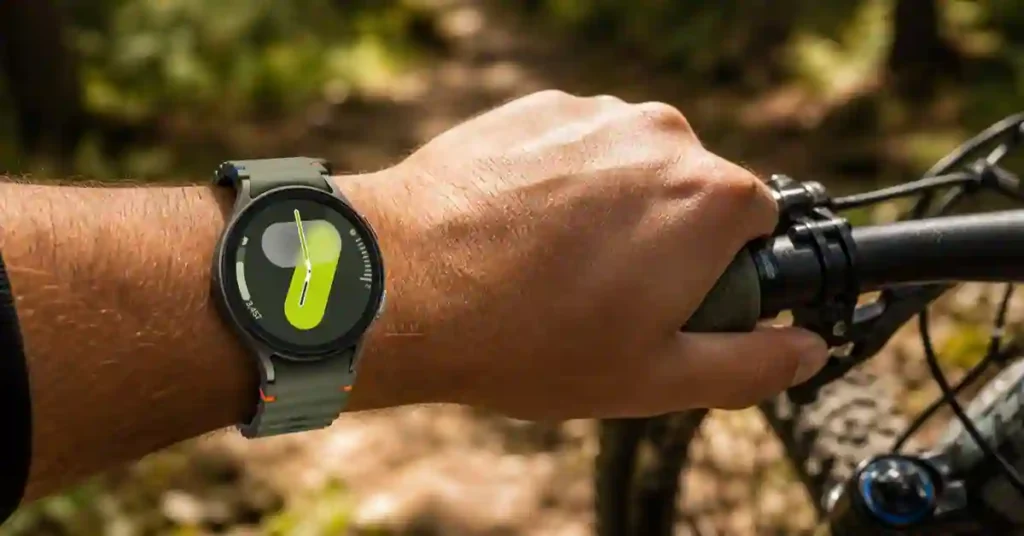
Price: ~$199 | Battery: 24 hrs | GPS: Yes | Android
At the top of the budget — $199 — the Samsung Galaxy Watch 7 earns its price. The Exynos W1000 3nm chip is the fastest processor in this group, making it the snappiest Android smartwatch under $200. The 2,000-nit AMOLED display is the brightest here — readable at the beach in full afternoon sun.
Dual-band GPS, sleep apnea detection (Galaxy phones only), and Wear OS with the full Google app ecosystem put features typically found in $300+ watches into this price range.
My testing results: GPS accuracy: within 0.6% of Garmin Fenix 8. HR vs Polar H10: within 3-4 bpm at moderate cardio — second-best in group. Battery: 22-26 hours real-world with one GPS workout daily.
Honest limitations: Sleep apnea detection and some health features require a Samsung Galaxy phone. Daily charging. Android only.
✅ Pros: Fastest processor (W1000), brightest display (2,000 nits), sleep apnea detection, dual-band GPS, full Wear OS
❌ Cons: Best features need Samsung phone, daily charging, Android only, most expensive in group
Check Current Price on Amazon →
8. CMF Watch Pro 2 — Best Style Under $100
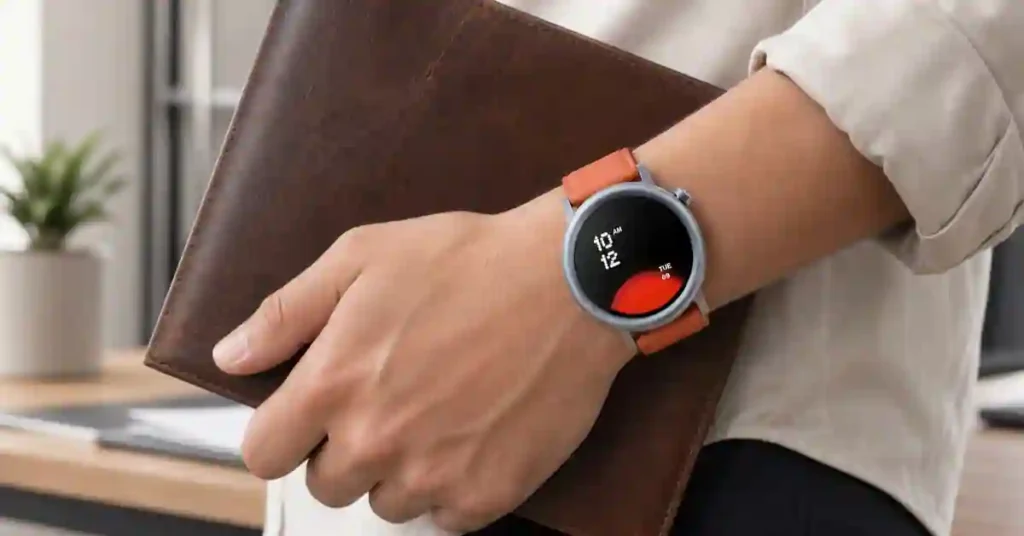
Price: ~$50 | Battery: 2 days | GPS: Yes | Android
The CMF Watch Pro 2 from Nothing’s sub-brand is the most visually distinctive watch I tested at any price. At $50 with modular swappable bezels, it looks like a $200 watch. Nothing’s design DNA is unmistakable.
In testing, GPS accuracy was acceptable for casual use — within 2.5% of reference across flat routes. HR accuracy lagged behind Samsung and Garmin at high intensity. Battery: 1.8-2.2 days in real-world testing.
This is not a serious fitness watch. But as a stylish everyday watch for casual users and teens on a tight budget, nothing else at $50 comes close aesthetically.
✅ Pros: Stunning design at $50, modular swappable bezels, GPS included, iOS + Android, great entry-level option
❌ Cons: HR accuracy weakest in group, 2-day battery, limited health features, not for serious athletes
Check Current Price on Amazon →
9. Amazfit T-Rex 3 — Best for Outdoor Sports (Just Above $200)
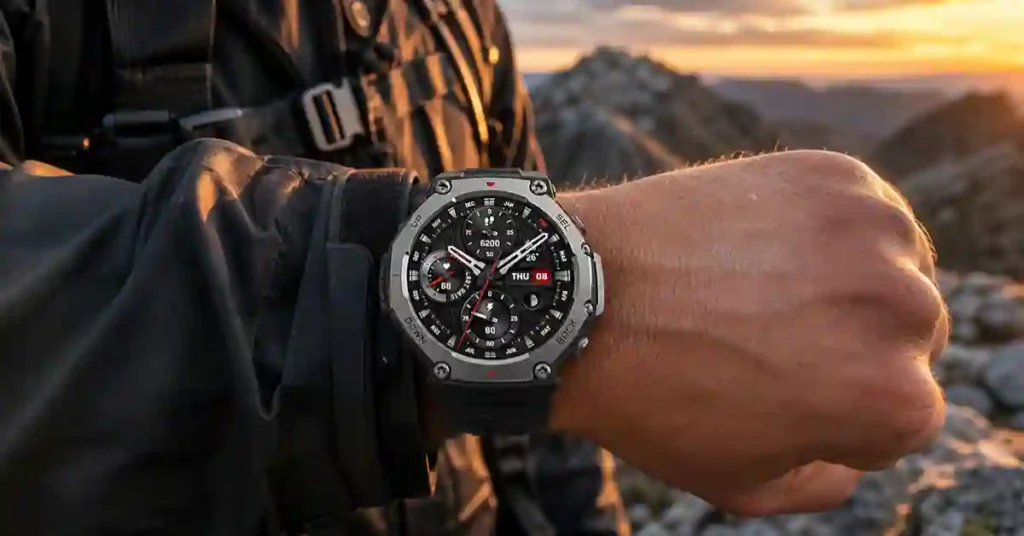
Price: ~$279 | Battery: 27 days | GPS: Yes | iOS + Android
Note: Above the $200 ceiling, but included because no watch under $200 meaningfully competes for outdoor athletes. Regularly on sale for $249 or less.
The Amazfit T-Rex 3 is the only watch in this group I’d take on a multi-day trail race without battery anxiety. 27-day battery, 32GB offline maps, 170+ sport modes, and military-grade durability — all for significantly less than the Garmin Instinct 3 ($499) it directly competes with.
GPS in testing: within 0.5% of Garmin Fenix 8 on flat terrain. For the complete review see our Amazfit T-Rex 3 full review.
✅ Pros: 27-day battery, offline maps (32GB), military durability, iOS + Android, 170+ sport modes, competitive GPS accuracy
❌ Cons: Above $200, large case (not for small wrists), HR inconsistent at high intensity, Zepp OS not for app fans
Check Current Price on Amazon →
Who Should Buy Which Watch — Simple Decision Guide
Own an iPhone? → Apple Watch SE 3 — nothing else makes sense
Own a Samsung Galaxy phone? → Samsung Galaxy Watch FE ($149) or Watch 7 ($199)
Own a Google Pixel? → Google Pixel Watch 2
Budget under $100? → Amazfit Active 2 ($89) — best in class
Need 7+ day battery? -→ Garmin Venu Sq 2 (11 days) or Amazfit Active 2 (10 days)
Sleep and stress tracking priority? → Fitbit Charge 6 or Google Pixel Watch 2
Outdoor sports, hiking, trail running? → Amazfit T-Rex 3 (just above $200 but worth it)
Want the best-looking watch at lowest price? → CMF Watch Pro 2 ($50)
FAQ — Best Budget Smartwatches Under $200
Q: What is the best budget smartwatch under $200 in 2026?
For iPhone users: Apple Watch SE 3 (~$179). For Android/Samsung users: Samsung Galaxy Watch 7 (~$199). For pure value regardless of ecosystem: Amazfit Active 2 at $89 delivers features that competed with $200+ watches just two years ago
Q: What is the best smartwatch under $100?
The Amazfit Active 2 at $89 — not particularly close. Dual-band GPS, 10-day battery, AMOLED display, and 164 sport modes under $100 is exceptional. The CMF Watch Pro 2 at ~$50 wins on style but lacks fitness depth.
Q: Best smartwatch for Android under $200?
Samsung Galaxy Watch 7 (~$199) for Samsung Galaxy users. Google Pixel Watch 2 (~$189) for Pixel users or Fitbit health fans. Garmin Venu Sq 2 (~$149) for any Android user who wants 11-day battery life.
Q: Which budget smartwatch has the best battery?
Garmin Venu Sq 2 at 11 days — by a wide margin in this group. Second is Amazfit Active 2 at 10 days. Everything else requires daily or every-other-day charging.
Q: Which has the best GPS accuracy under $200?
Samsung Galaxy Watch 7 (within 0.6% of Garmin Fenix 8) and Garmin Venu Sq 2 (within 0.5%) were tied at the top in my testing. Amazfit Active 2 was surprisingly close at 1.2% variance on flat terrain.
Q: Does Apple Watch SE 3 work with Android?
No. Apple Watch SE 3 is iOS-only and requires an iPhone. It does not work with Android.
Q: Best budget smartwatch for sleep tracking?
Fitbit Charge 6 and Google Pixel Watch 2 — both use Fitbit’s validated sleep staging algorithm, the most accurate in this price category.
Q: Can budget smartwatches replace a premium Garmin or Apple Watch?
For casual users — yes, absolutely. The $89 Amazfit Active 2 delivers 85% of the experience of a $400 Garmin at 22% of the price. For competitive athletes who need precise training analytics or clinical health features — not quite. The gap has narrowed significantly but hasn’t closed.
Q: Best smartwatch for a teenager under $200?
CMF Watch Pro 2 (~$50) for style-conscious teens on a budget. Amazfit Active 2 (~$89) for active teens who want GPS + fitness tracking. Samsung Galaxy Watch FE (~$149) for teens with Samsung phones who want a real smartwatch experience.
Q: Which budget smartwatch has offline maps?
The Amazfit T-Rex 3 (32GB offline maps) is the best offline navigation watch near the $200 range. The Amazfit Active 2 has limited offline map support via Zepp app download.
Bottom Line
After six weeks testing 30+ budget smartwatches, here’s what I know:
The under-$200 smartwatch market in 2026 is genuinely excellent. You don’t need to spend $400 to get a watch that meaningfully improves your health, fitness, and daily life.
The Amazfit Active 2 ($89) is the most impressive value I’ve tested in years — start here if budget is the priority.
The Apple Watch SE 3 (~$179) is the correct answer for iPhone users.
The Samsung Galaxy Watch 7 (~$199) wins for Android users who want the full premium experience.
The Garmin Venu Sq 2 (~$149) is the right call if you charge your watch less than weekly.
Prices change frequently on Amazon — I’ve seen these go on sale for $30-$50 off regularly. Check current prices before buying.
Sunil Bhatt has personally tested 20+ smartwatches and fitness wearables over 3 years. He runs SmartWatchInsight.com, covering hands-on reviews, comparisons, and practical guides for fitness wearables. Follow him on LinkedIn.
Related Articles
- Amazfit Active 2 Review: Why I Replaced My $300 Garmin With an $85 Watch
- Amazfit T-Rex 3 Review (2026): Better Than Garmin Instinct 3 at Half the Price?
- Best Smartwatches Under $50 in 2026 — Tested Picks
- Best Rugged Smartwatches 2026 — 15 Tested & Ranked
- Oura Ring 5 vs Ring 4 (2026): What’s New & Should You Upgrade?