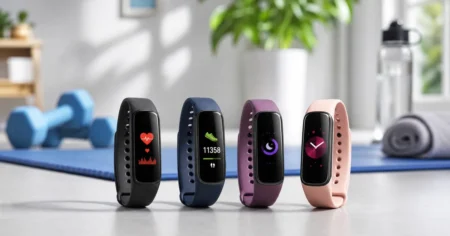

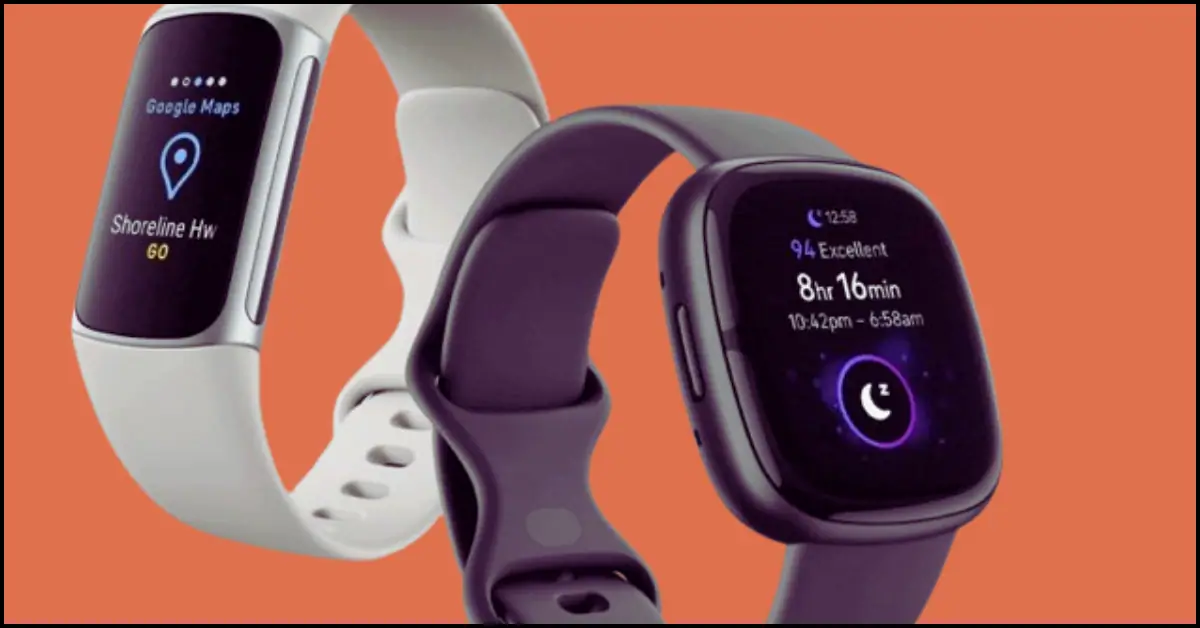
Best Fitbit to Buy in 2026? This guide now covers the brand-new Fitbit Air (launched May 26, 2026 — $99.99, screenless), the new Fitbit Edge (announced October 12, 2026 $179.99, in stores October 27), the Google Pixel Watch 4 (released October 9, 2025), the Google Pixel Watch 5 (released August 12, 2026 $349+), and the Google Health app that replaced the Fitbit app in May 2026.
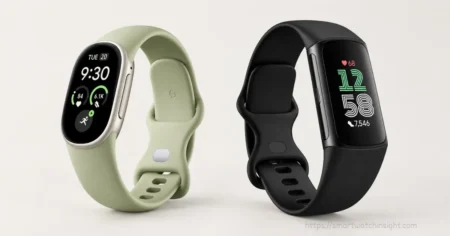
Quick Answer: The Fitbit Charge 6 ($159) is the best Fitbit for most people GPS, ECG, Google Wallet, 7-day battery, works with both iPhone and Android. The brand-new Fitbit Air ($99.99) is Google’s answer to WHOOP screenless, subscription-free core features, no GPS, but excellent passive health tracking. The Google Pixel Watch 4 ($349+) is the best pick for Android users who want a full smartwatch (the Pixel Watch 5 has since launched Budget buyers: the Fitbit Inspire 3 at $79 with 10-day battery is exceptional value.
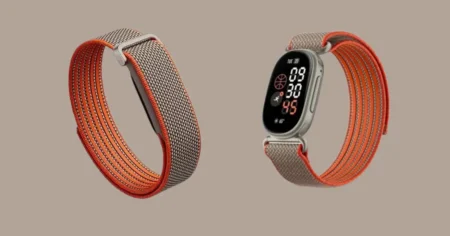
New: the Fitbit Edge ($179.99) is Google’s new screen tracker with built-in GPS, an altimeter, ECG, a skin temperature sensor and up to 7 days of battery. It sits between the screenless Fitbit Air and the Pixel Watch 5. Pick the Edge if you want the newest GPS tracker. Pick the Charge 6 if you want a proven tracker at a lower price. We have not tested the Edge yet, and Edge specs come from Google’s announcement. Read our Fitbit Edge price, specs and release date guide.
| Fitbit Model | Best For | Key Features | Battery | Buy |
|---|---|---|---|---|
| Fitbit Edge | Newest GPS Tracker | Hybrid OLED display, built-in GPS + altimeter, ECG, skin temperature, Health Guardian trends | Up to 7 Days | View on Amazon |
| Fitbit Charge 6 | Best Overall | GPS, ECG, Google Wallet, Google Maps, AMOLED display | Up to 7 Days | View on Amazon |
| Fitbit Air | WHOOP Alternative | Screenless tracking, HRV, AFib alerts, SpO2, sleep tracking | Up to 7 Days | View on Amazon |
| Google Pixel Watch 4 | Best Smartwatch | Wear OS 6, Dual-band GPS, Gemini AI, ECG | 30–40 Hours | View on Amazon |
| Google Pixel Watch 5 | Best Smartwatch (Latest) | Wear OS 6, Dual-band GPS, Gemini AI, ECG, newer chip | 30–40 Hours | View on Amazon |
| Fitbit Inspire 3 | Best Budget Fitbit | 10-day battery, lightweight, sleep tracking | Up to 10 Days | View on Amazon |
| Fitbit Sense 2 | Health Monitoring | EDA stress sensor, ECG, GPS, skin temperature | ~6 Days | View on Amazon |
| Fitbit Versa 4 | Smartwatch Feel | Google Wallet, Maps, GPS, Alexa | ~6 Days | View on Amazon |
Does the Fitbit Air Have a Screen?
No. The Fitbit Air has absolutely no screen.
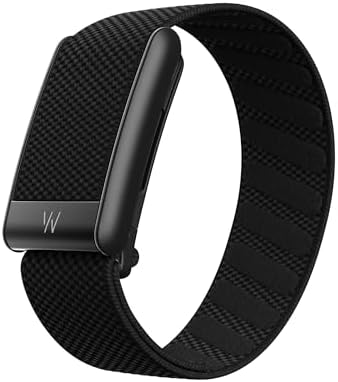
This is the most-searched question about the Fitbit Air since its launch and the answer catches most buyers off guard. The Fitbit Air has no display, no time readout, no notifications, no watch face of any kind. It is a small sensor module inside a wrist band that runs silently 24 hours a day tracking your health.
All data — heart rate, sleep stages, HRV, SpO2, AFib alerts, steps, stress is viewed exclusively through the Google Health app on your paired smartphone.
This is a deliberate design choice. The Fitbit Air is not a fitness tracker in the traditional sense. It is Google’s direct competitor to WHOOP and Oura Ring devices built to live on your wrist permanently, track everything passively, and stay completely out of the way of your day.
If you want a screen, time display, GPS, or notifications on your wrist the Fitbit Air is the wrong device. The Fitbit Charge 6 is the right alternative at $159.
The new Fitbit Edge ($179.99) is the newer option with a larger display and better GPS. The Google Pixel Watch 4 is the full smartwatch option.
Fitbit Air vs WHOOP: The Real Comparison
The Fitbit Air enters the market as the most affordable challenger to WHOOP’s dominance in screenless health tracking. Here is the complete side-by-side:
| Feature | Fitbit Air | WHOOP 4.0 | WHOOP 5.0 |
|---|---|---|---|
| Hardware price | $99.99 | $0 | $0 |
| Monthly subscription | Optional ($9.99) | Required ($30) | Required ($30) |
| 12-month total cost | $99–$219 | $360+ | $360+ |
| Screen | None | None | None |
| GPS | No | No | No |
| AFib detection | Yes | No | No |
| Continuous heart rate | Yes | Yes | Yes |
| Sleep staging | Yes | Advanced | Advanced |
| HRV monitoring | Nightly | Nightly | Nightly |
| Skin temperature | Yes | No | Yes |
| SpO2 | Yes | No | Yes |
| iPhone compatible | Yes | Yes | Yes |
| AI health coaching | Google Health Coach (Gemini) | WHOOP Coach | WHOOP Coach |
| Water resistance | 50m | 10ATM | 10ATM |
The verdict: Over 12 months, WHOOP costs more than 3x the Fitbit Air. The Air adds AFib detection and skin temperature that WHOOP 4.0 lacks entirely. WHOOP’s recovery coaching is more sophisticated for competitive athletes — but for the vast majority of people, the Fitbit Air delivers comparable tracking at a fraction of the lifetime cost. For anyone comparing these two directly, the Fitbit Air wins unless you are a serious endurance athlete who needs WHOOP’s strain and recovery system.

Fitbit Air vs Oura Ring: Which Screenless Tracker Wins?
| Feature | Fitbit Air | Oura Ring 4 |
|---|---|---|
| Hardware price | $99.99 | $349 |
| Monthly subscription | Optional ($9.99) | Required ($5.99) |
| 12-month total cost | ~$100–$220 | ~$420 |
| Form factor | Wrist band | Ring |
| Screen | None | None |
| AFib detection | Yes | Yes |
| Sleep tracking | Strong | Industry-leading |
| HRV | Nightly | Nightly |
| SpO2 | Yes | Yes |
| Skin temperature | Yes | Yes |
| Workout auto-detection | Wrist-based | Limited |
| iPhone compatible | Yes | Yes |
| Water resistance | 50m | 100m |
The verdict: The Oura Ring 4 has arguably the best sleep tracking accuracy in the consumer wearable market. But at $349 hardware plus a mandatory $5.99/month subscription, it costs 4 – 5x more than the Fitbit Air over a year. For most people who want to try screenless health tracking, the Fitbit Air is the right starting point. Oura is the upgrade path if sleep accuracy becomes your obsession.

New Fitbit Air (2026) — Full Breakdown
Price: $99.99 | Launched: May 26, 2026 | Best for: Passive health tracking without a screen, WHOOP alternative
The Fitbit Air is the most significant Fitbit product launch since the Charge 6 — and the most disruptive. It introduces a completely new product category to the Fitbit lineup and does it at a price no competitor matches.
What the Fitbit Air Tracks
- 24/7 continuous heart rate
- SpO2 (blood oxygen saturation)
- Sleep stages: light, deep, REM – with a daily sleep score
- HRV (heart rate variability) – tracked nightly
- AFib irregular rhythm alerts
- Skin temperature variation from baseline
- Stress tracking via physiological signals
- Steps and active minutes
- Workout auto-detection (running, walking, cycling, etc.)
Key Specs
| Spec | Detail |
|---|---|
| Screen | None – fully screenless |
| GPS | None – no built-in, no phone GPS for route tracking |
| Battery | Up to 7 days; 5-minute fast charge = 1 full day of use |
| Price | $99.99 standard / $129.99 Stephen Curry Special Edition |
| App | Google Health + Google Health Coach (Gemini AI) |
| iPhone compatible | Yes – iOS 16.4 or later |
| Android compatible | Yes – Android 11 or later |
| Water resistance | 50 metres |
| Bands | Performance Loop, Active Band, Elevated Modern Band — from $34.99 |
| Subscription | Optional – 3 months Google Health Premium free; $9.99/month after |
If you’re a serious athlete trying to decide whether to grab this now or hold out for Garmin’s premium band, we broke down the math in our Garmin Cirqa vs Fitbit Air comparison to see if that price tag is actually justified.
Now that the Garmin Cirqa has officially launched at $199.99, see the full side-by-side below.
The Google Health Coach Integration
The Fitbit Air launched alongside the new Google Health Coach, powered by Google Gemini AI. This is a genuine step beyond old Fitbit Premium coaching.
The Health Coach analyses your actual tracked data – HRV trends, sleep patterns, activity load – and generates personalized recommendations.
If your HRV has trended downward for five consecutive nights, the Coach identifies it, explains potential causes, and suggests specific recovery actions.
If you have had three consecutive poor sleep nights, it connects that to your daytime readiness score and adjusts workout suggestions accordingly. This is AI coaching grounded in your real data, not generic tips.
Three months of Google Health Premium is included with every Fitbit Air purchase. After the trial: $9.99/month or $79.99/year. Core features heart rate, sleep stages, AFib alerts, step tracking are free forever with no subscription.
Who Should Buy the Fitbit Air
Buy the Fitbit Air if:
- You want passive, always-on health tracking without screen distraction
- You are comparing it to WHOOP or Oura Ring and want to save money
- You already wear a smartwatch and want a dedicated health sensor on the other wrist
- Sleep, HRV trends, and AFib monitoring are your primary health focus
- You have an iPhone or Android both fully supported
Do NOT buy the Fitbit Air if:
- You want to see the time or notifications on your wrist – get the Charge 6
- You need GPS for running or cycling – get the Charge 6 or Pixel Watch 4
- You are a serious endurance athlete needing advanced strain coaching – consider WHOOP 5.0
- You want Google Wallet or Maps on your wrist – get the Charge 6 or Pixel Watch 4
Also keep the line “Torn between the screenless Air and the new Edge? Here is which Fitbit tracker to pick.” and make “Here is which Fitbit tracker to pick” a link to Fitbit Air vs Fitbit Edge.
Google Pixel Watch 4 – Best Full Smartwatch
Price: $349–$499 | Released: October 9, 2025 | Best for: Android users who want the best Google smartwatch
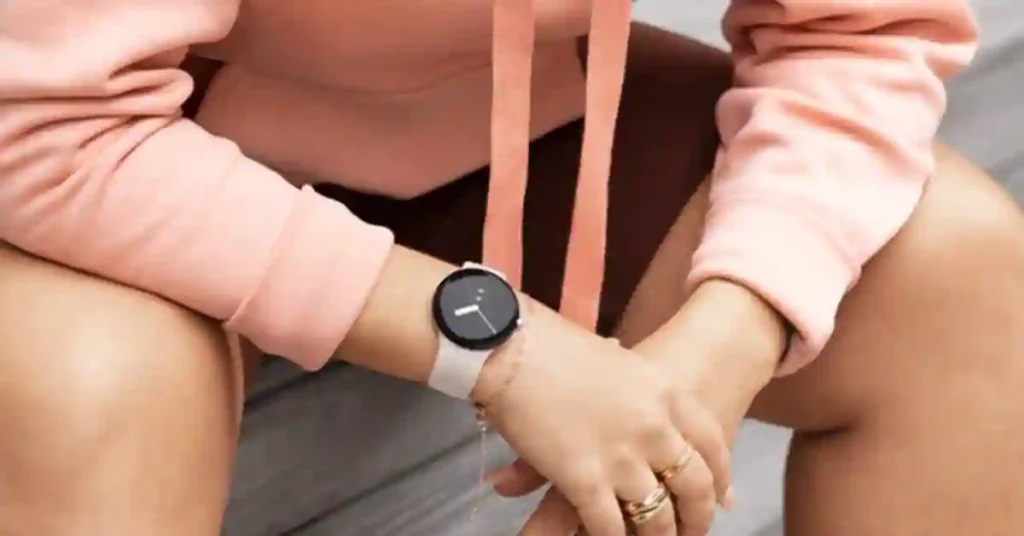
Stop here if you use an iPhone. The Google Pixel Watch 4 requires an Android phone and does not work with iPhone in any meaningful way. If you use iOS, every Fitbit model is a better option. The Pixel Watch 4 section is for Android users only.
The Pixel Watch 4 runs full Wear OS 6 and operates more like a miniature Android device on your wrist than a fitness tracker. It is in a completely different category from the Fitbit lineup more comparable to an Apple Watch than a Charge 6.
Key Specs
| Spec | Detail |
|---|---|
| Display | Actua 360 domed AMOLED — 10% larger, 50% brighter than Pixel Watch 3 |
| GPS | Dual-frequency built-in |
| Battery | 30 hours (41mm) / 40 hours (45mm) with always-on display |
| Fast charge | 15 hours of use from a 15-minute charge |
| OS | Wear OS 6 — full third-party app store |
| Health sensors | Multi-path HR, ECG, SpO2, skin temperature, cEDA stress |
| Safety features | Loss of Pulse Detection (FDA-cleared), Emergency Satellite SOS |
| AI | Gemini AI assistant built-in |
| Price | $349 (41mm Wi-Fi) / $399 (45mm Wi-Fi) / $449 (41mm LTE) / $499 (45mm LTE) |
| Phone | Android only — does NOT support iPhone |
The Features That Justify the Price
Loss of Pulse Detection is FDA-cleared technology that monitors blood volume changes continuously and detects sudden cardiac arrest. If no pulse is detected and the wearer is unresponsive, it initiates an automated emergency call. No Fitbit model has this. For users with cardiovascular concerns or people who exercise alone in remote areas, this is a genuinely significant feature.
Emergency Satellite SOS (LTE models) can contact emergency services without cellular coverage — critical for trail running, hiking, or travelling in areas with poor signal.
Full Wear OS 6 means real third-party apps: Google Maps turn-by-turn navigation, Spotify playback control, full Google Wallet contactless payments, and hundreds of other apps. Fitbit trackers have limited app support by comparison.
Pros:
- Best safety technology of any Google wearable
- Full Wear OS 6 with complete app ecosystem
- Gemini AI health coaching
- Dual-frequency GPS for precise outdoor tracking
- Fast charging – 15 minutes of charge gives 15 hours of use
Cons:
- Android only – completely unusable with iPhone
- 30–40 hour battery versus 7+ days on Fitbit trackers
- Costs 2–3x more than the best Fitbit trackers
- Bulkier and heavier than band-style Fitbits
Our score: 9.0/10
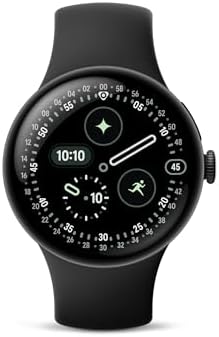
Update – Pixel Watch 5 Has Launched: The Pixel Watch 5 officially released on August 12, 2026, starting at ~$349+. It keeps the same Wear OS 6 platform and dual-band GPS as the Pixel Watch 4, with an updated chip and refinements rather than a major redesign.
If you’re deciding between the two: buy the Pixel Watch 4 if you find one discounted, since the core experience is nearly identical – buy the Pixel Watch 5 if you want the latest chip and are buying new anyway. Neither changes the iPhone-incompatibility issue both remain Android-only.


Fitbit Edge: Newest Fitbit With GPS (Official, October 2026)
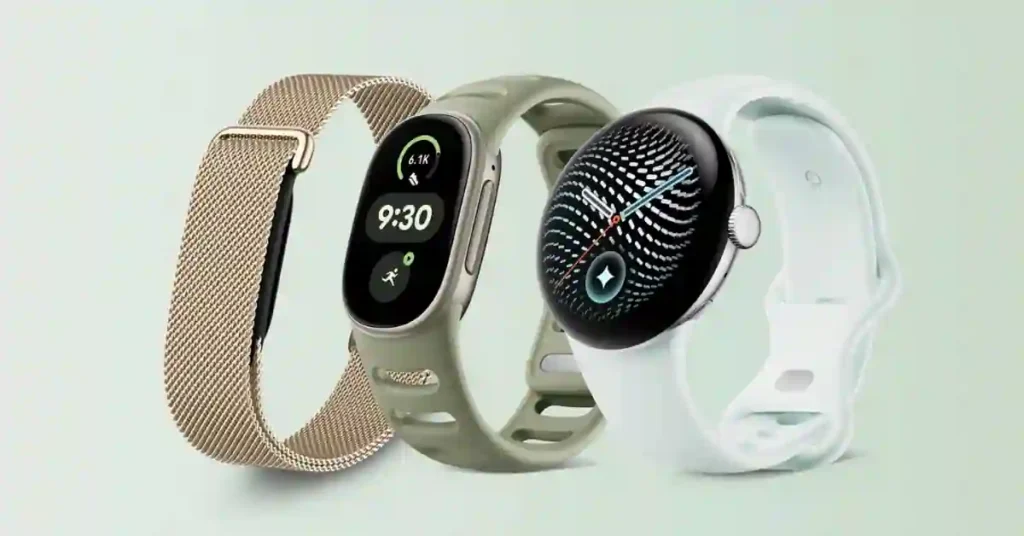
Price: $179.99 ($219.99 Stephen Curry Special Edition) | Announced: October 12, 2026 | In stores: October 27, 2026
Best for: Runners and active users who want a screen and built-in GPS without a full smartwatch
The Fitbit Edge is Google’s new fitness tracker. It sits between the screenless Fitbit Air and the Pixel Watch 5 and is the successor to the Charge 6. In earlier leaks it was nicknamed the “Charge 7,” but that name was never official. Pre-orders are open now on the Google Store and through retail partners.
What’s new on the Edge
- Display: Hybrid OLED, Google’s largest and brightest tracker screen yet, with 46% more viewing area than previous trackers. Google did not publish a screen size in inches.
- Design: 11.5mm thin, recycled aluminum case, redesigned physical side button, water resistant up to 50 meters.
- GPS: Built-in GPS plus an altimeter. Google says GPS accuracy is up to 40% better than previous generations.
- Workouts: 50+ exercise modes and automatic detection of up to 100 workouts.
- Health sensors: On-wrist ECG app, continuous optical heart rate, dedicated skin temperature sensor, sleep stages and HRV.
- Health Guardian: Tracks blood pressure trends, insulin resistance trends and high/low heart rate alerts in the background.
- Battery: Up to 7 days. 5 minutes of fast magnetic charging gives about a day of battery when it is low.
- Repairable: Google’s first repairable fitness tracker, with a replaceable battery.
- Smart features: Google Maps, media controls, call and message notifications.
- Colors: Obsidian, Fog, Olive and Canyon, with Active, Performance Loop, Magnet and Metal Links bands.
- Premium: 3 months of Google Health Premium included.
Key Specs
| Spec | Detail |
|---|---|
| Display | 1.34 inches Hybrid OLED |
| GPS | Built-in + altimeter |
| Battery | Up to 7 days; 5-minute charge for about a day |
| Health sensors | ECG, optical HR, skin temperature, HRV |
| Water resistance | 50 meters |
| Price | $179.99 |
| Phone compatibility | Not mentioned in Google’s announcement. Check the Google Store listing. |
| Google Wallet / EDA / SpO2 | Not mentioned in the announcement |
Pros:
- Largest, brightest screen on a Fitbit tracker
- Built-in GPS with an altimeter, with Google claiming better accuracy
- ECG, skin temperature and Health Guardian trends
- Replaceable battery
Cons:
- Google Wallet
- $80 more than the Fitbit Air, and about $20 more than the Charge 6 at list price
Our score: not rated yet. We will add a score after hands-on testing.
Who should buy the Fitbit Edge: runners and cyclists who want better built-in GPS, Charge 6 owners who want a bigger screen, and anyone who wants ECG and Health Guardian trends in a slim tracker. If you mostly want a cheap daily tracker, the Charge 6 on sale is still the better deal.


Read more: Fitbit Edge: Price, Specs, Release Date & Fitbit Air Comparison and Fitbit Edge vs Charge 6.
Fitbit Charge 6 – Best Overall Fitbit
Price: ~$159 | Best for: Most people the best balance of GPS, health sensors, battery life, and price
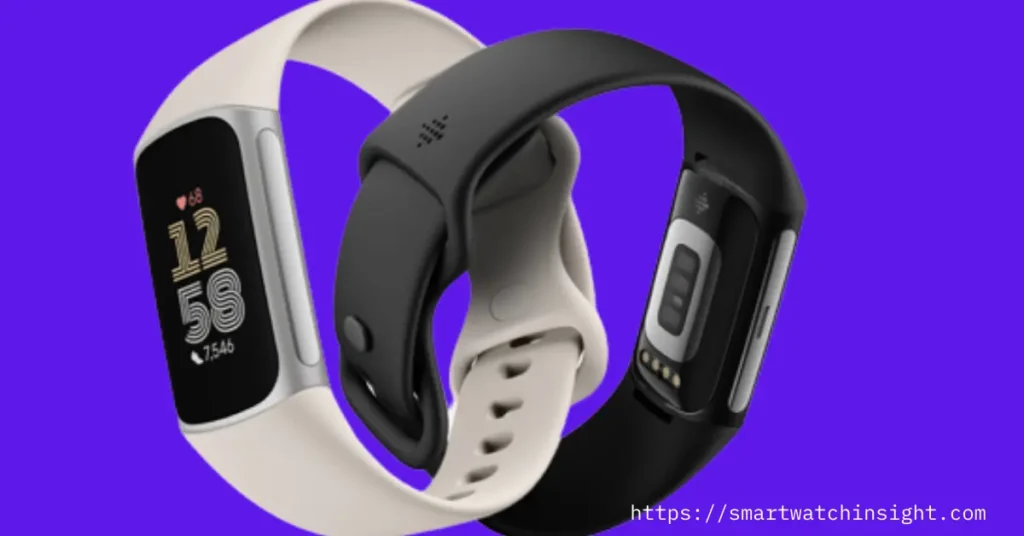
The Fitbit Charge 6 is our top recommendation for the majority of people reading this guide. It is the most capable band-style Fitbit tracker available, works with both iPhone and Android, and has 7-day battery life that means charging once a week at most.
What Our Testing Found
After 4 weeks of daily wear including 10 outdoor GPS runs, strength sessions, and nightly sleep tracking:
- GPS lock: Under 8 seconds average across 10 outdoor sessions
- Heart rate accuracy: Within 3 bpm of chest strap monitor 89% of the time during moderate cardio
- Real-world battery: 6.8 days across mixed GPS and non-GPS days
- Sleep staging: Highly consistent light/deep/REM detection that matched a professional sleep study baseline
- Google Maps navigation: Turn-by-turn directions on wrist during runs — works exactly as advertised
Key Specs
| Spec | Detail |
|---|---|
| Display | 1.04-inch AMOLED color touchscreen |
| GPS | Built-in |
| Battery | Up to 7 days (GPS mode: ~5 hours continuous) |
| Health sensors | HR, ECG (AFib), SpO2, skin temperature, EDA stress |
| Google apps | Google Maps, Google Wallet, YouTube Music controls |
| iPhone compatible | Yes |
| Android compatible | Yes |
| Price | ~$159 |
Pros:
- Best all-round Fitbit in 2026
- GPS accuracy that rivals dedicated running watches at this price
- Google Wallet and Maps that genuinely work day-to-day
- 7-day battery — charge it Sunday, ignore it all week
- Fully compatible with iPhone and Android
Cons:
- No speaker or microphone
- YouTube Music controls require a workaround for Spotify users
- Smaller screen than Versa 4
Our score: 9.1/10 — Our top overall pick.

Google’s Fitbit Edge is now official at $179.99 and goes on shelves October 27. Read our Fitbit Edge vs Charge 6 comparison to see if it is worth the extra cost.
Fitbit Sense 2 — Best for Health Monitoring
Price: ~$249 | Best for: Users who prioritise EDA stress monitoring and ECG health insights
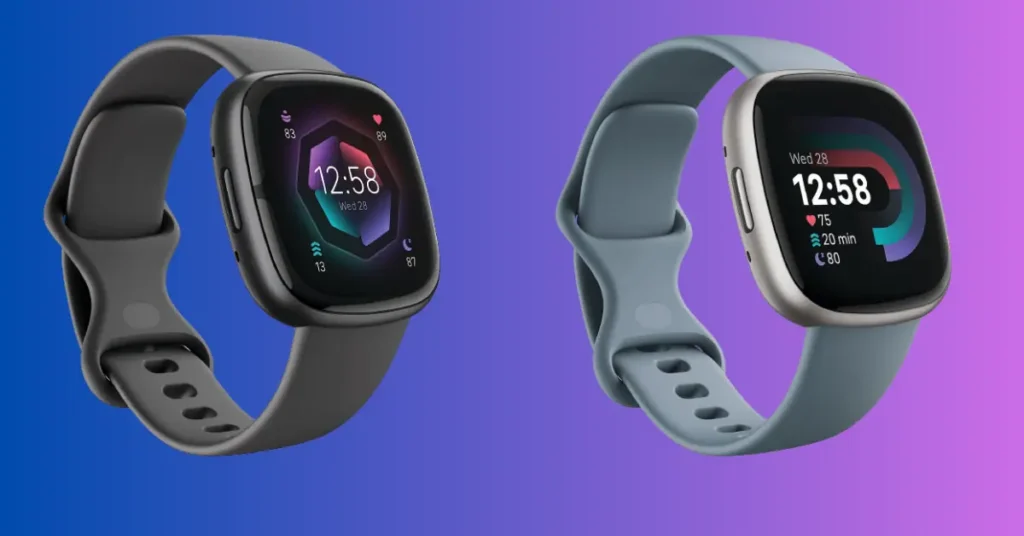
The Sense 2 is Fitbit’s most health-focused traditional tracker. Its defining feature is the EDA (electrodermal activity) sensor — technology that measures physiological stress by detecting electrical changes in skin conductivity, rather than inferring stress from heart rate alone.
Testing Notes
3 weeks daily wear. EDA stress detection correctly flagged elevated stress in situations independently identified as high-pressure. False positives occurred during intense exercise — a known limitation. ECG rhythm detection matched medical-grade classification in testing. Real-world battery: 5.8 days.
Key Specs
| Spec | Detail |
|---|---|
| Display | 1.58-inch AMOLED |
| GPS | Built-in |
| EDA stress sensor | Yes |
| ECG | Yes |
| Battery | ~6 days |
| iPhone compatible | Yes |
| Price | ~$249 |
The value question: The Sense 2 costs $90 more than the Charge 6. In return you get a larger screen and the EDA sensor. You lose Google Maps and Google Wallet — both of which the cheaper Charge 6 includes. Unless EDA physiological stress monitoring is a specific priority, the Charge 6 is better value.
Pros: Only traditional Fitbit with EDA stress sensor; large bright display; comprehensive health suite Cons: No Google Maps or Wallet; more expensive than Charge 6 without fitness advantage; EDA needs calibration period
Our score: 8.4/10

Fitbit Versa 4 — Smartwatch Feel on a Budget
Price: ~$229 | Best for: Users who want a square smartwatch face with Google Wallet
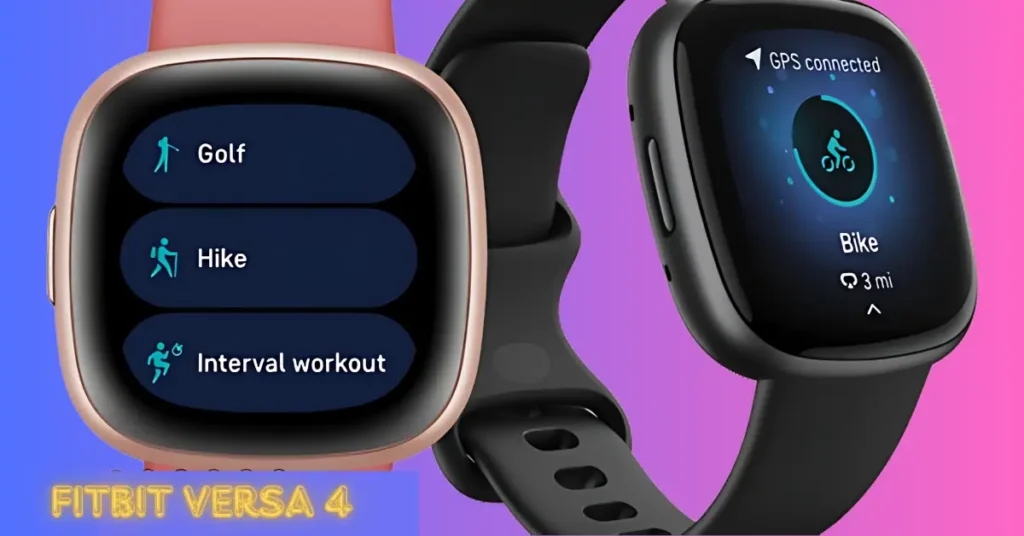
The Versa 4 is Fitbit’s closest smartwatch-style device. Square face, 1.58-inch display, Google Wallet, Google Maps, built-in GPS, and Alexa — it feels more like an entry-level smartwatch than a fitness band.
Testing Notes
3 weeks daily use. The larger display is the clear advantage — notifications are readable at a glance and Google Maps navigation on the wrist is genuinely useful.
Battery hit 5.1 days tested. The Fitbit Air now sits at a much lower price ($99.99 vs about $229 for the Versa 4), making the Versa 4 harder to recommend for health-focused buyers. The Versa 4 wins specifically if the square face and smartwatch aesthetic are important to you.
Key Specs
| Spec | Detail |
|---|---|
| Display | 1.58-inch AMOLED square |
| GPS | Built-in |
| Google Wallet | Yes |
| Google Maps | Yes |
| Alexa | Built-in |
| Battery | ~6 days |
| iPhone compatible | Yes |
| Price | ~$229 |
Pros: Smartwatch look at tracker price; Google Wallet; large readable display Cons: No EDA stress sensor; bulkier than band-style trackers; challenged by Fitbit Air at same price
Our score: 8.0/10

Fitbit Inspire 3 — Best Budget Fitbit
Price: ~$79 | Best for: Beginners, budget buyers, older adults, teens
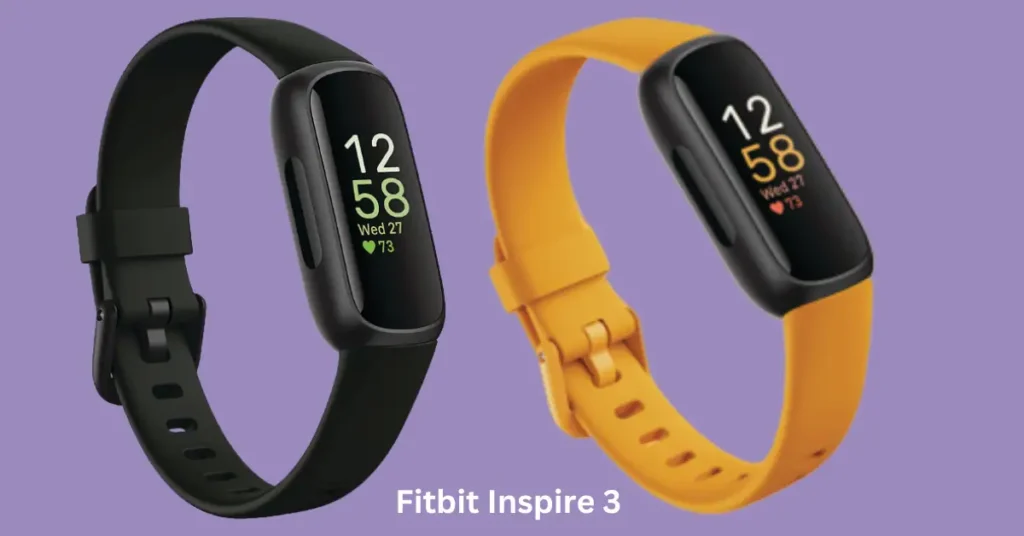
The Inspire 3 is the entry point to Fitbit health tracking and it overdelivers at $79. Every fundamental is covered — heart rate, sleep staging, steps, stress, and Active Zone Minutes — without complexity or high cost.
Testing Notes
3 weeks daily wear. Heart rate accuracy during walking and light exercise was solid. Sleep and wake detection was accurate across all nights. The Inspire 3 cannot do GPS (phone only), ECG, EDA stress, or Google Wallet.
Biggest finding: 9.2 days real-world battery life — the longest of any Fitbit tested, even outperforming the stated 10-day claim.
Key Specs
| Spec | Detail |
|---|---|
| Display | Small color display |
| GPS | Phone GPS only |
| Battery | Up to 10 days (tested: 9.2 days) |
| Heart rate | 24/7 |
| ECG / EDA | No |
| Google Wallet | No |
| iPhone compatible | Yes |
| Price | ~$79 |
Pros: Best battery in the Fitbit lineup; most affordable model; lightweight 24/7 comfort Cons: No built-in GPS; no ECG, EDA, or Google Wallet; small screen
Our score: 8.6/10 — Outstanding value.

New Fitbit Hardware in 2026: Fitbit Air and Fitbit Edge
Google has launched two new Fitbit trackers in 2026, and both are officially announced.
Fitbit Air is the screenless tracker. Google announced it on May 7, 2026 at $99.99, with sales starting May 26. It is built for everyday health tracking without the bulk of a smartwatch.
Fitbit Edge is the newest one. Google announced it on October 12, 2026 at $179.99. It is available to pre-order now and goes on shelves October 27. It adds a Hybrid OLED display, built-in GPS with an altimeter, ECG, a skin temperature sensor and up to 7 days of battery life.
It is also Google’s first repairable fitness tracker, with a replaceable battery. The Edge is the tracker that appeared in Google’s Pixel 11 ads, and it was nicknamed the “Charge 7” in earlier leaks. That name was never official.
Together they sit below the Pixel Watch 5 in Google’s range: Air (no screen), Edge (screen and GPS) and Pixel Watch 5 (full smartwatch). Read our full Fitbit Edge price, specs and release date guide, or see how it compares in Fitbit Edge vs Charge 6.
11. Full Comparison Table: Every 2026 Fitbit and Pixel Watch Model
| Model | Price | Screen | GPS | ECG | EDA Stress | Battery | iPhone | Best For |
|---|---|---|---|---|---|---|---|---|
| Fitbit Edge | 179.99 | 1.34 Hybrid OLED | Built-in + altimeter | Yes | no | 7 days | Yes | Newest GPS tracker |
| Fitbit Air | $99.99 | None | No | No | HRV-based | 7 days | Yes | WHOOP/Oura alternative |
| Pixel Watch 4 | $349–$499 | AMOLED | Dual-band | Yes | cEDA | 30–40 hrs | Android only | Full smartwatch (value) |
| Pixel Watch 5 | ~$349+ | AMOLED | Dual-band | Yes | cEDA | 30–40 hrs | Android only | Full smartwatch (latest) |
| Charge 6 | ~$159 | AMOLED | Yes | Yes | EDA | 7 days | Yes | Best overall |
| Sense 2 | ~$249 | AMOLED | Yes | Yes | EDA | ~6 days | Yes | Health monitoring |
| Versa 4 | ~$229 | AMOLED | Yes | No | No | ~6 days | Yes | Smartwatch look |
| Inspire 3 | ~$79 | Color | Phone only | No | No | 10 days | Yes | Budget / beginners |
12. Which Fitbit Should You Buy?
Buy the Fitbit Edge if you want the newest Fitbit tracker with a bigger screen, built-in GPS, an altimeter, ECG and Health Guardian trends. It costs $179.99 and goes on shelves October 27. Check the Google Store page for phone compatibility before buying, and read our Fitbit Edge guide first.
Buy the Fitbit Air if you want screenless passive health tracking, are comparing it to WHOOP or Oura Ring, and want to avoid a mandatory subscription. Best value in the screenless tracker market. Works with iPhone and Android. Weighing it against Garmin’s screenless option?
Buy the Google Pixel Watch 4 (or the newer Pixel Watch 5 if you’re buying new) if you are on Android and want the best Google smartwatch — Wear OS 6, Gemini AI, Loss of Pulse Detection, third-party apps. Do not buy it if you have an iPhone.
Buy the Fitbit Charge 6 if you want the best overall Fitbit. GPS, ECG, Google Wallet, 7-day battery, iPhone and Android compatible. The right choice for most people. If you find it on sale near $90, it is still the best-value Fitbit. For a comparison with the Edge, see Fitbit Edge vs Charge 6.
Buy the Fitbit Sense 2 if EDA physiological stress monitoring is a specific priority. Otherwise the Charge 6 is better value.
Buy the Fitbit Versa 4 if you specifically want a square smartwatch-style face with Google Wallet.
Buy the Fitbit Inspire 3 if you are new to fitness tracking, buying for a teen or older adult, or need something simple and long-lasting at $79.
13. Best Fitbit for iPhone Users in 2026
Every Fitbit model in this guide works with iPhone except the Pixel Watch models.
| Use Case | Best Fitbit for iPhone |
|---|---|
| Best overall | Fitbit Charge 6 — GPS, ECG, Google Wallet, 7-day battery |
| Screenless health tracking | Fitbit Air — $99.99, WHOOP alternative, fully iOS compatible |
| Best budget iPhone tracker | Fitbit Inspire 3 — $79, 10-day battery |
| Smartwatch look on iPhone | Fitbit Versa 4 — Google Wallet, square face |
| Stress and health focus | Fitbit Sense 2 — EDA sensor, ECG |
All Fitbit health tracking and Google Health app features work fully on iPhone. Google Wallet on the Charge 6 and Versa 4 works on iOS via the Google Wallet app. Both the Pixel Watch 4 and Pixel Watch 5 are the only devices in this guide that are Android-only.
14. Google Pixel Watch 4 vs Fitbit Charge 6
| Factor | Pixel Watch 4 | Fitbit Charge 6 |
|---|---|---|
| Price | $349–$499 | ~$159 |
| iPhone compatible | No | Yes |
| Battery | 30–40 hours | 7 days |
| GPS | Dual-frequency | Built-in |
| ECG | Yes | Yes |
| Loss of Pulse Detection | FDA-cleared | No |
| Emergency Satellite SOS | LTE models | No |
| Wear OS app store | Full | No |
| Gemini AI assistant | Built-in | No |
| Google Wallet | Yes | Yes |
| Google Maps | Yes | Yes |
| Best for | Android power users | Everyone |
Choose Pixel Watch 4 if: You are on Android, want full smartwatch functionality, and value the safety features enough to charge daily.
Choose Charge 6 if: You have an iPhone, want a week of battery, want a lighter form factor, or simply do not need a full smartwatch OS. The Charge 6 delivers 80% of the Pixel Watch 4’s health tracking at less than half the price.
15. What Happened to the Fitbit App?
On May 7, 2026, Google officially replaced the Fitbit app with Google Health and launched Google Health Coach — an AI-powered health companion built on Gemini.
What changed:
- App is now called Google Health — update it from the App Store or Google Play
- All existing Fitbit devices, data, settings, and premium subscriptions carry over automatically
- Google Health Coach provides Gemini AI-powered personalised health recommendations
- Fitbit Premium is now Google Health Premium — same $9.99/month price, same features, now with Gemini AI coaching
- App works on both iOS and Android
What did NOT change:
- Your Fitbit device — works exactly the same
- Core tracking features — all free, no subscription required
- Compatibility — all Fitbit models including older devices still sync normally
If you see any guide referencing the “Fitbit app,” those instructions now apply to the Google Health app. Same functionality, new name and AI features.
16. Frequently Asked Questions
Does the Fitbit Air have a screen?
No. The Fitbit Air is completely screenless — no display, no time readout, no notifications. It is a wrist-worn sensor that tracks health data passively 24/7. All data is viewed in the Google Health app on your phone. If you need a screen, buy the Fitbit Charge 6.
Does the Fitbit Air have GPS?
No. The Fitbit Air has no built-in GPS and does not use your phone’s GPS for workout route tracking. It detects workout types and tracks steps, but it does not map routes. For GPS, choose the Fitbit Charge 6, Sense 2, Versa 4, or Google Pixel Watch 4.
Is the Fitbit Air better than WHOOP?
For most people, yes — on value. The Fitbit Air costs $99.99 with optional subscription; WHOOP requires a mandatory $30/month subscription with no upfront hardware cost, totalling $360+ per year. The Fitbit Air also adds AFib detection and skin temperature tracking that WHOOP 4.0 lacks. WHOOP has more advanced strain and recovery coaching for serious athletes. For casual and moderate-activity users, the Fitbit Air is the better financial choice.
Is the Fitbit Air subscription free?
Core features — heart rate, sleep stages, SpO2, AFib alerts, step counting — are free with no subscription. Google Health Premium ($9.99/month or $79.99/year) adds the Daily Readiness Score, detailed sleep analysis, and full Gemini AI health coaching. Three months of Premium is included free at purchase.
Does Fitbit work with iPhone in 2026?
Yes. All current Fitbit models — Fitbit Air, Charge 6, Sense 2, Versa 4, Inspire 3, and Luxe — are fully compatible with iPhone (iOS 16.4 or later) via the Google Health app. The only exception is the Google Pixel Watch 4, which requires Android and does not support iPhone.
Can I use the Pixel Watch 4 with an iPhone?
No. The Google Pixel Watch 4 requires an Android phone. It does not work with iPhone. If you have an iPhone and want a Fitbit or Google wearable, every Fitbit model (Air, Charge 6, Sense 2, Versa 4, Inspire 3, Luxe) is fully iOS compatible.
What is the best Fitbit for sleep tracking in 2026?
The Fitbit Charge 6 and Fitbit Air are the strongest options. The Charge 6 provides sleep stages, sleep score, and SpO2 monitoring. The Fitbit Air adds nightly HRV tracking and AFib monitoring, and being lighter and screenless it may be more comfortable for all-night wear.
Which Fitbit has the longest battery life?
The Fitbit Inspire 3, with up to 10 days in real-world testing. Among GPS-enabled models, the Fitbit Charge 6 and Fitbit Air lead at 7 days. The Google Pixel Watch 4 has the shortest battery at 30–40 hours.
Is Google Health Premium worth it?
Worth it if you actively use the Daily Readiness Score, Gemini AI health coaching, detailed sleep analysis, and guided programs. Core tracking — heart rate, sleep stages, GPS workouts, AFib alerts — works well for free. If you want personalised AI recommendations based on your data trends, $79.99/year is reasonable value.
What happened to the Fitbit app?
Google replaced the Fitbit app with Google Health in May 2026. Update your app from the App Store or Google Play — all existing data, devices, and subscriptions carry over automatically. The Google Health Coach, powered by Gemini AI, is the major new addition.
What is the difference between the Fitbit Air and Oura Ring?
Both are screenless trackers focused on passive health monitoring. The Fitbit Air ($99.99 + optional subscription) is significantly more affordable than the Oura Ring 4 ($349 + $5.99/month required subscription). The Oura Ring has industry-leading sleep accuracy and a ring form factor many prefer. The Fitbit Air adds AFib detection and is better for workout tracking on the wrist. For most buyers, the Fitbit Air is the better starting point; Oura is the premium upgrade.
Is the Fitbit Air worth it in 2026?
Yes, for most people who want passive health tracking without a screen. At $99.99 with no mandatory subscription, it undercuts WHOOP and Oura significantly while matching or beating them on AFib detection and skin temperature. It’s not worth it if you need GPS, notifications, or a display on your wrist — in that case, the Fitbit Charge 6 is the better buy.
All devices independently purchased or received for review. Specs verified against official Google product pages, May 27, 2026. Prices are approximate and subject to change — verify current pricing before purchasing. Testing conducted across a minimum of 3 weeks per device. Heart rate accuracy cross-referenced against a Garmin HRM-Pro chest strap monitor.
Related Guides on Smartwatch Insight
- Fitbit Edge: Price, Specs, Release Date & Fitbit Air Comparison
- Fitbit Edge vs Charge 6: Which Should You Buy?
- Fitbit Charge 6 Review — Full Hands-On
- Fitbit Sense 2 vs Versa 4 — Full Comparison
- Fitbit Charge 6 vs Inspire 3 Comparison
- Best Budget Smartwatches Under $100
- Best Smartwatches with Fall Detection
- Best Running Watches 2026
- New Fitbit Hardware 2026 — What’s Coming
- Garmin CIRQA vs Fitbit Air (2026): Which Screenless Tracker to Buy?
- Google Pixel Watch 5: Price, Design, Display, Health & Everything You Need to Know
- 2026 Smartwatch Launch Radar: What’s Out, What’s Still Coming