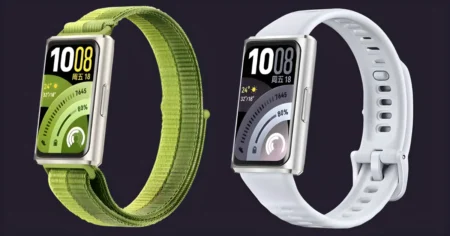

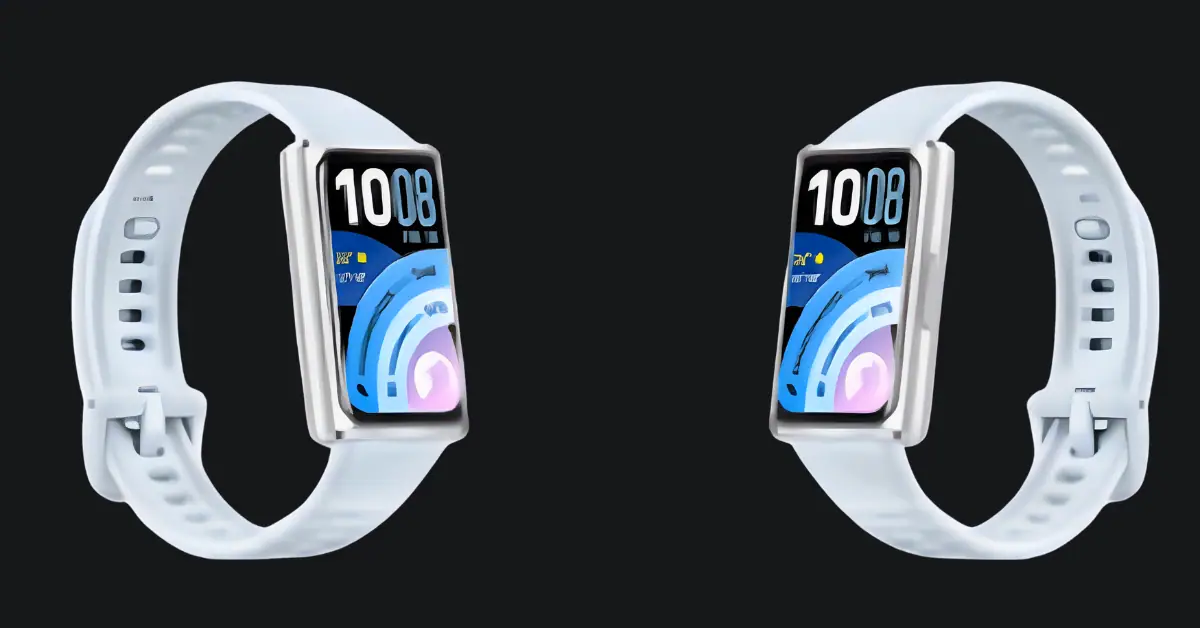
The upcoming Huawei Band 11 Pro has been fully detailed ahead of its official launch, thanks to a new report from WinFuture.
According to the leak, Huawei’s next fitness tracker will feature a 2,000-nit AMOLED display, built-in GPS, premium alloy construction, and up to 14 days of battery life — potentially redefining what users can expect in the €50–€70 price range.
Here’s everything revealed so far.
2,000-Nit AMOLED Display: Brightest in Its Class?
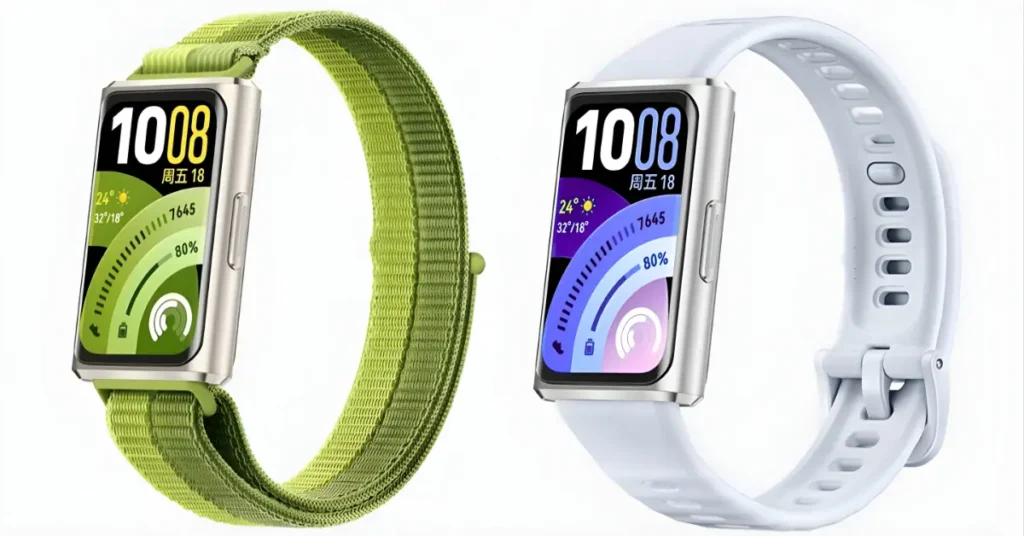
The biggest upgrade is the 1.62-inch AMOLED panel.
- Resolution: 482 × 286 pixels
- Pixel density: 347 PPI
- Peak brightness: Up to 2,000 nits
Most budget fitness trackers peak between 600 and 1,200 nits. If the 2,000-nit claim holds true, the Huawei Band 11 Pro could offer dramatically improved outdoor visibility during runs and cycling sessions.
For users training in direct sunlight, this may be one of the most practical upgrades Huawei has made in years.
Built-In GPS Finally Arrives
Unlike many entry-level fitness bands that rely on connected GPS, the Huawei Band 11 Pro reportedly includes integrated GPS.
This means you can:
- Track outdoor runs without your phone
- Record pace and distance independently
- Sync workout routes later via the Huawei Health app
For a tracker expected under €70, this is a major competitive advantage.
Larger Battery: Up to 14 Days
To support GPS and the brighter display, Huawei has increased battery capacity to 300mAh.
Expected endurance:
- Up to 14 days (power-saving mode)
- Around 10 days (typical usage)
For comparison, the standard Huawei Band 11 reportedly includes a smaller 180mAh battery.
Battery life remains one of Huawei’s strongest selling points in the wearable segment.
Premium Materials: Aluminium & Titanium Variants
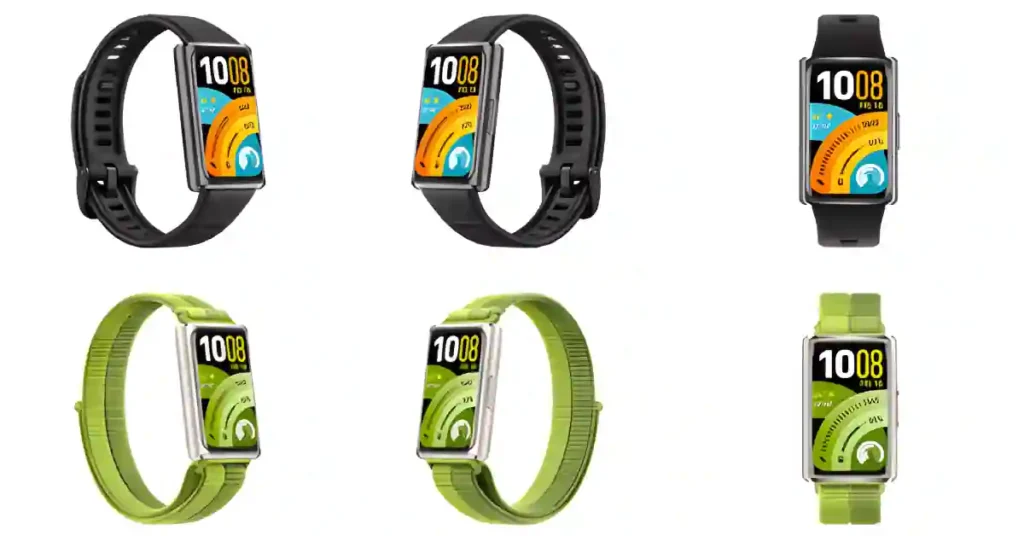
According to the leak, Huawei is upgrading materials:
- Aluminum alloy body
- Titanium-aluminium alloy option (select models)
- 5ATM water resistance
- IP67 certification
Despite the metal construction, the device weighs just 14 grams without the strap, maintaining lightweight comfort for all-day wear.
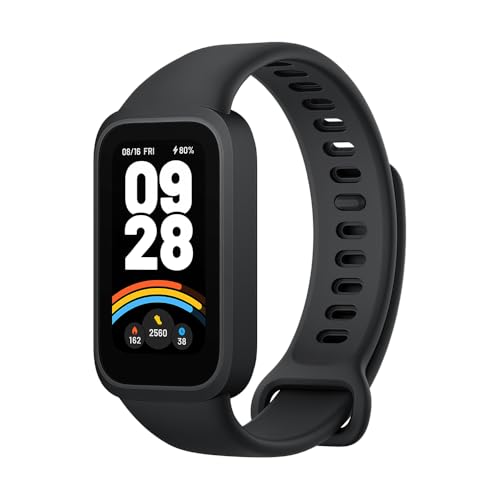
Huawei Band 11 Pro vs Xiaomi Smart Band 9
Here’s how it compares to the Xiaomi Smart Band 9:
| Feature | Huawei Band 11 Pro | Xiaomi Smart Band 9 |
|---|---|---|
| Peak Brightness | 2,000 nits | ~1,200 nits |
| GPS | Built-in | Connected GPS |
| Battery | 300mAh | 233mAh |
| Materials | Aluminum / Titanium | Aluminum |
| Expected Price | €50–€70 | Similar range |
If brightness and GPS performance meet expectations, Huawei could gain an edge among outdoor fitness users.


Health & Smart Features
The Huawei Band 11 Pro is expected to support:
- Continuous heart rate monitoring
- SpO₂ (blood oxygen) tracking
- Stress monitoring
- Sleep tracking with advanced metrics
- Bluetooth call alerts
- Quick replies (Android & HarmonyOS)
- NFC (region dependent)
All data integrates with Huawei’s ecosystem through the Huawei Health app.
Expected Price & Release Date
According to WinFuture, the Huawei Band 11 Pro is expected to launch in Germany and other EU markets in early March 2026.
Projected price: €50 to €70, depending on variant and materials.
At that price, it sits directly in the competitive budget fitness tracker segment.
Frequently Asked Questions
Does Huawei Band 11 Pro have built-in GPS?
Yes. The leak confirms integrated GPS for standalone workout tracking.
How bright is the Huawei Band 11 Pro display?
It reportedly reaches up to 2,000 nits peak brightness.
What is the battery life of Huawei Band 11 Pro?
Up to 14 days in power-saving mode and around 10 days with typical use.
Is Huawei Band 11 Pro waterproof?
Yes. It carries 5ATM water resistance and IP67 certification.
What is the expected price?
Between €50 and €70 in Germany and the EU.
Final Verdict: Can It Disrupt the Budget Market?
If the leak proves accurate, the Huawei Band 11 Pro may be one of the most balanced fitness trackers in its class.
A 2,000-nit display, built-in GPS, long battery life, and premium materials under €70 is an aggressive combination — especially for users who want better outdoor visibility without paying smartwatch prices.
We’ll update this article once Huawei officially confirms full specifications.
Source: WinFuture.de