
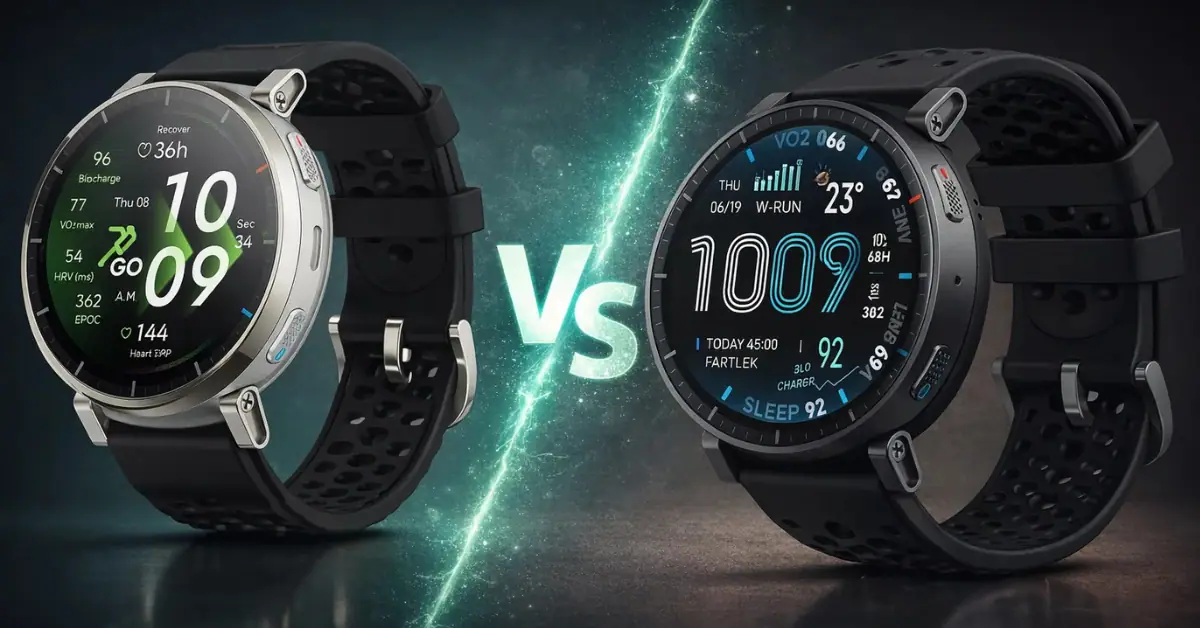
Two watches. Same $169–$170 price. Same Amazfit family. So why does choosing between the Amazfit Active 3 Premium and the Amazfit Active Max feel surprisingly confusing?
Both launched within a few months of each other. Both run on Zepp OS and share the same core health platform. Both offer offline maps, BioCharge energy monitoring, Bluetooth calling, and 170+ sports modes. On paper, picking one should be easy.
It isn’t — because the differences aren’t about what these watches can do. They’re about who they’re built for.
Here’s where the Amazfit Active 3 Premium and Active Max actually differ, and how to figure out which one makes sense for you.
Quick Spec Comparison: Active 3 Premium vs Active Max
| Feature | Active 3 Premium | Active Max |
|---|---|---|
| Price | $169.99 | $169.00 |
| Display | 1.32″ AMOLED, 466×466 px Up to 3,000 nits | 1.5″ AMOLED, 480×480 px, Up to 3,000 nits |
| Case Size | 45 × 45 × 11 mm | 48.5 × 48.5 × 12.2 mm |
| Weight (without strap) | 38 g | 39.5 g |
| Frame | Stainless steel | Aluminum + polymer |
| Glass | Sapphire | Standard |
| Buttons | 4 physical buttons | 2 physical buttons |
| Battery (typical use) | 12–13 days | 25 days |
| Battery (GPS) | 24 hrs (76 hrs power save) | 64 hours |
| GPS bands | 6 satellite systems | 5 satellite systems |
| Battery capacity | 500 mAh | 658 mAh |
| Water resistance | 5 ATM | 5 ATM |
| Lactate threshold | Yes | No |
| Preloaded run workouts | Yes | No |


The Design Gap Is Bigger Than It Looks
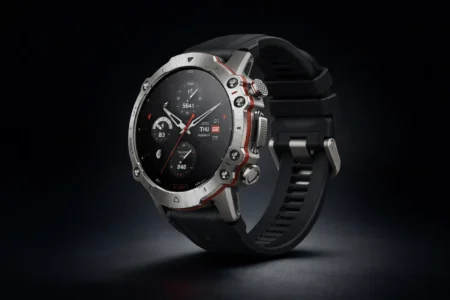
If you put both watches side by side, they look like relatives — round dials, similar clean lines, nearly identical price tags. But how they feel on your wrist is a different story.
The Active 3 Premium is the more refined of the two. The 45mm case is slimmer, the stainless steel frame gives it a slightly premium, solid feel, and the sapphire glass means you don’t have to baby it.
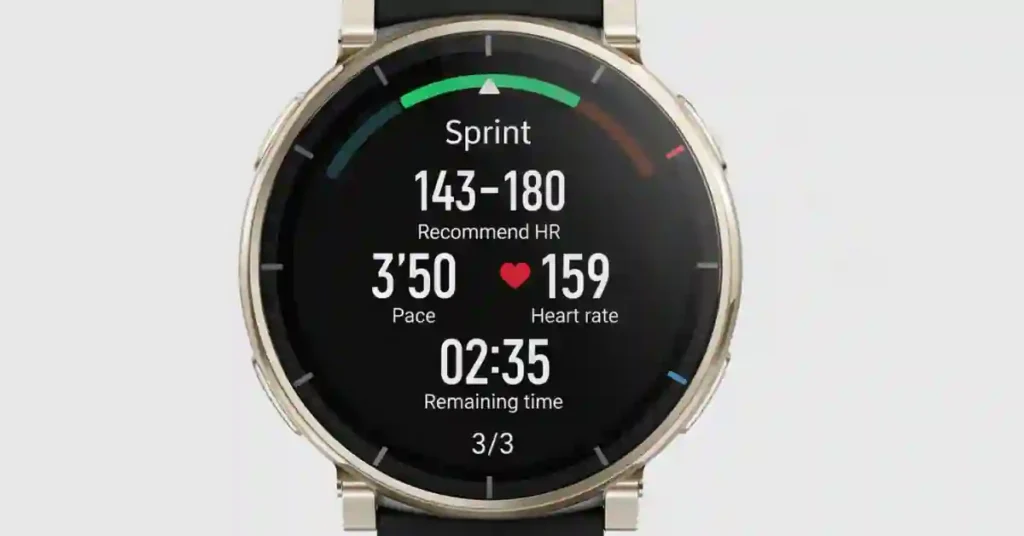
At 54.6 grams with the strap, it wears light. The four-button layout is deliberate — it’s there because the watch is built for people who are actively running and need physical controls they can hit without looking.
The Active Max leans the other way. It’s chunkier. The 48.5mm case with a 12.2mm thickness is noticeably bigger, the frame uses aluminium and polymer instead of stainless steel, and there are only two buttons.
It’s a watch built around that big 1.5-inch display — a display, it’s worth saying, that is genuinely great. At 480×480 resolution with automatic brightness up to 3,000 nits, it’s sharp and readable in bright sun. But this is a bigger watch, and if you have smaller wrists, you’re going to feel it.
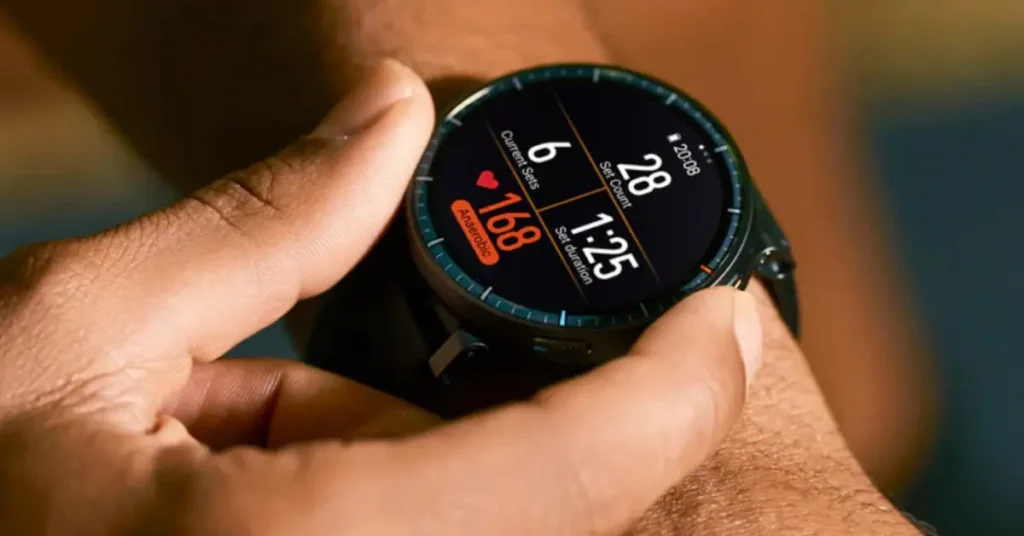
One real-world note that reviewers have flagged: the heart rate sensor on the Active Max sticks out from the case more than expected. When you loosen the watch at night for sleep, the sensor LEDs can actually light up your surroundings noticeably. It’s a minor quirk, but it’s worth knowing.
Bottom line on design: If you care about how the watch looks and feels off the wrist — at work, dinner, daily life — the Active 3 Premium wins cleanly. If screen real estate matters more to you than form factor, the Active Max has the edge.
Battery Life: The Biggest Practical Difference
This is where the two watches genuinely split apart, and it matters more than most spec comparisons show.
The Active Max is built around its battery. With a 658 mAh cell, Amazfit claims 25 days of typical use and up to 64 hours of continuous GPS.
In real-world testing, heavy users with always-on display and continuous health monitoring land closer to 10–13 days — but even that is excellent for the category.
For GPS running specifically, 64 hours is a number you’d expect from watches costing two or three times as much.
The Active 3 Premium is a more conservative story. Twelve to thirteen days in typical use, seven in heavy use, and 24 hours of GPS.
That’s still solid, but it’s not a defining feature. Interestingly, Amazfit did include a dedicated power-saving GPS mode that can stretch GPS tracking to 76 hours — so for ultra-long events, the option is there. But that’s a special use case, not everyday behaviour.
The honest framing: if you hate thinking about charging, the Active Max is the better pick. If you can charge every week or so and want better running tools, the Active 3 Premium doesn’t leave you stranded.
Running Features: This Is Where Active 3 Premium Really Separates Itself
Both watches run the same Zepp Coach platform and support PeakBeats. They share the same core training framework. But once you start using them for running specifically, the gap becomes obvious.
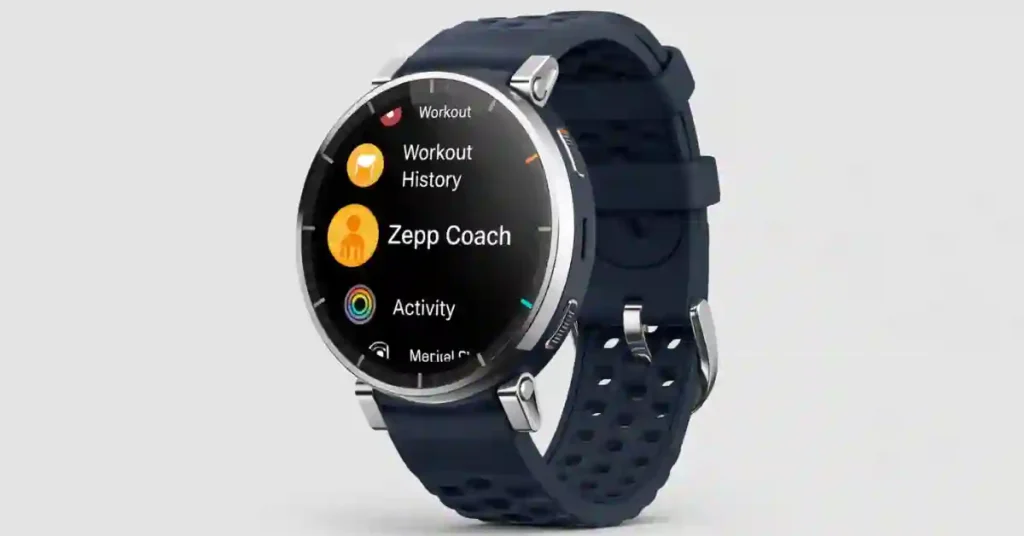
The Active 3 Premium is built for runners who want to improve. It adds metrics that the Active Max doesn’t have — lactate threshold tracking, ground contact time, running power, rhythm analysis, and balance monitoring.
It also comes preloaded with structured running workouts you can launch straight from the watch — Fartlek runs, aerobic endurance sessions, base runs. You don’t need to plan anything in advance or program sessions through the app.
Zepp Coach training plans on the Premium scale from 5K prep all the way up to marathon distance and adapt to your recovery.
The Active Max supports running, GPS, and Zepp Coach, but it doesn’t go as deep. You get strong GPS performance (64 hours on a charge is hard to beat), strength training auto-recognition across 25 exercises, and a solid overall fitness picture.
But the specific running intelligence — lactate threshold, posture coaching, preloaded workout progressions — isn’t here in the same way.
Put simply: the Active 3 Premium is a running coach on your wrist. The Active Max is a capable fitness watch that also tracks runs.
GPS Accuracy and Navigation
Both watches include offline maps, turn-by-turn navigation, and multi-band satellite support. But the Active 3 Premium connects to six satellite systems compared to five on the Active Max, which gives it a small edge in positioning accuracy — particularly useful in dense urban environments or on technical trail routes.
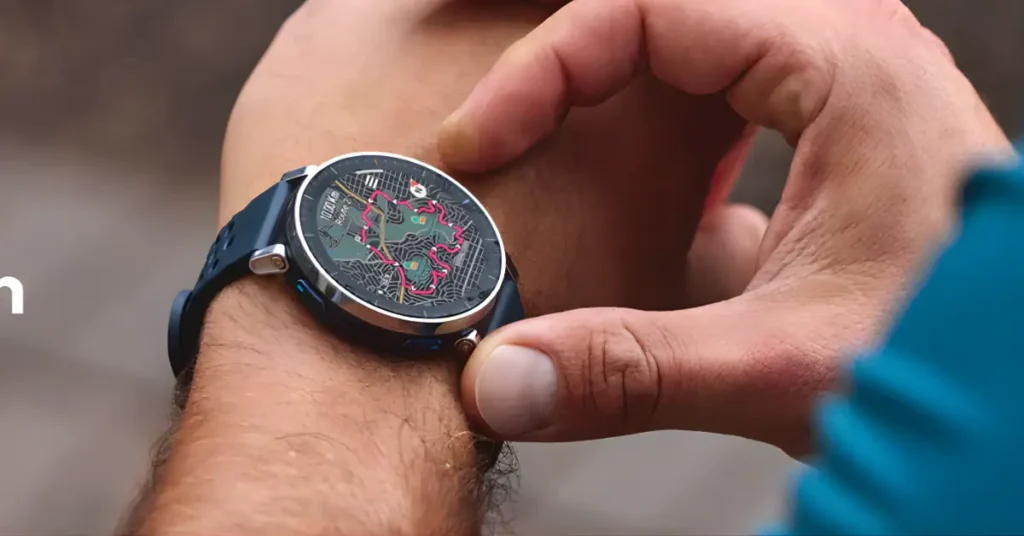
Both watches support the same 4GB of onboard storage for map downloads and music or podcasts. Both offer automatic rerouting and point-to-point routing.
For most everyday runners, either watch will get the job done. The advantage of the Active 3 Premium’s extra satellite band is mainly noticeable in challenging GPS conditions.
Health Tracking: Largely the Same
Here’s where the two watches converge. Both offer continuous heart rate monitoring, blood oxygen, HRV, stress tracking, sleep stage analysis, VO2 Max, and BioCharge energy scores.
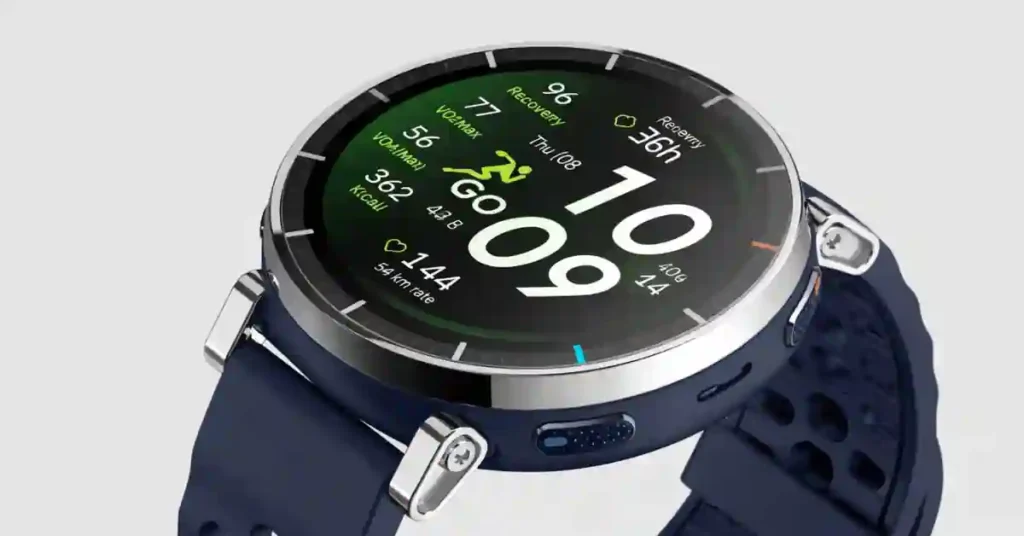
Both use the same BioTracker PPG sensor generation. Both alert you to abnormally high or low readings.
The BioCharge score on both watches adjusts throughout the day based on workouts, stress, and activity, helping you understand when to push and when to back off.
Sleep tracking on both is detailed — you get stage breakdowns, a 0–100 score, and the Zepp app lets you log pre-bed behaviour to understand what affects your sleep quality over time.
The Active 3 Premium adds a quick 45-second four-metric scan (heart rate, stress, blood oxygen, breathing rate simultaneously), which is a nice convenience but not a major differentiator.
Smart Features: Nearly Identical
Both watches support Bluetooth calling via a built-in speaker and microphone, Zepp Flow voice assistant (with speech-to-text for Android users), notification mirroring, and contactless payments on supported models. Both work with Android 7.0+ and iOS 15.0+.
The Active 3 Premium ships with 100% recyclable packaging and skips the USB-C cable (assuming you have one already). Both watches use a proprietary magnetic charging puck.
Who Should Buy the Amazfit Active 3 Premium?
The Active 3 Premium is the right watch if:
- You’re focused on running and want to get better at it — not just track it
- You want a watch that looks refined enough to wear at the office or on a date
- Sapphire glass, stainless steel, and a four-button layout matter to you
- You’re okay charging every week or so
- You want lactate threshold, structured workouts, and run coaching built directly into the watch
Amazfit positions this watch for new-to-intermediate runners who want guidance, not just data. But the spec sheet is strong enough that experienced runners will find value here too.
Who Should Buy the Amazfit Active Max?
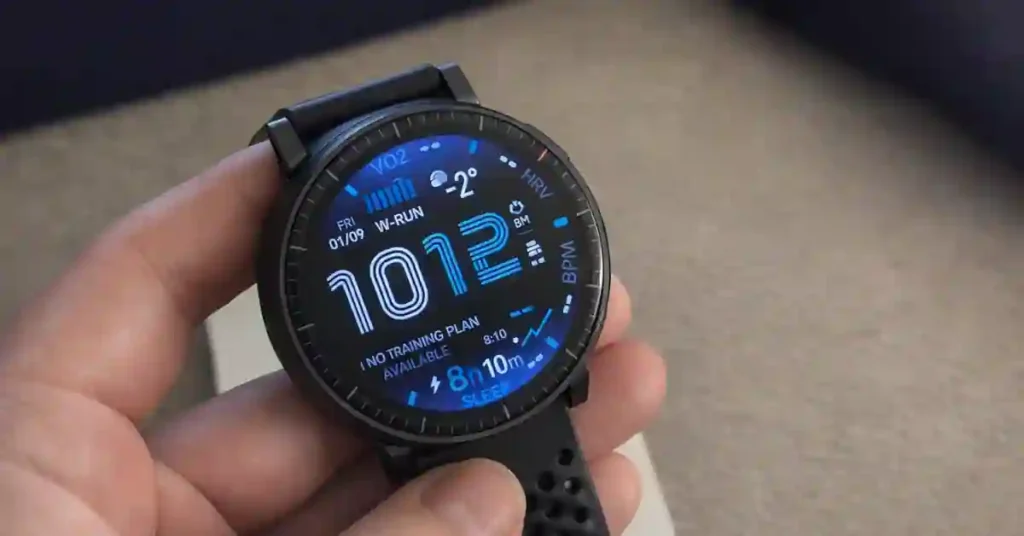
The Active Max is the right watch if:
- Battery life is your top priority and you want to stop thinking about charging
- You want a bigger display and don’t mind a larger case
- You do a mix of strength training, running, and general fitness rather than focused run training
- You want 64 hours of GPS for ultra events or long adventures
- You prefer a two-button layout and a more casual watch aesthetic
The Active Max is also the better watch if you have a larger wrist and find smaller watches uncomfortable. The bigger case and articulating lugs help it conform well to different wrist sizes.
The Verdict
At the same price, the choice really comes down to one question: do you want better running tools or longer battery life?
The Active 3 Premium is the better running watch. It’s more refined, lighter, has sapphire glass, and goes deeper on the metrics and coaching that help runners actually improve. The battery is fine — just not exceptional.
The Active Max is the better endurance watch. Its battery performance is genuinely impressive for the price, the large display is a pleasure to use, and it handles general fitness tracking as well as anything in the category. It just doesn’t go as deep on running-specific intelligence.
Neither watch is the wrong choice at $169. But they’re clearly built for different people — and once you know which one you are, the decision gets a lot easier.
Both the Amazfit Active 3 Premium ($169.99) and Active Max ($169.00) are available on Amazfit.com and Amazon.
Related Reading:
- Amazfit Active 3 Premium Full Review
- Amazfit Active Max Full Review
- Best Smartwatches Under $200 in 2026
- Amazfit vs Garmin: Which Brand Is Right for You?
- Amazfit Active 3 Premium Update 3.7.0.6: Lactate Threshold & Running Power Arrive
FAQ: Amazfit Active 3 Premium vs Active Max
Which has better battery life?
The Amazfit Active Max has significantly longer battery life, offering up to 25 days of typical use compared to around 12–13 days on the Active 3 Premium.
Is the Active 3 Premium better for running?
Yes. It includes lactate threshold tracking, structured workouts, and deeper running metrics not available on the Active Max.
Is the Active Max good for marathon training?
Yes. With 64 hours of GPS battery life, it’s excellent for long-distance events, but it lacks some advanced coaching metrics.
Which is better for small wrists?
The Active 3 Premium is smaller and lighter, making it more comfortable for smaller wrists.
Are both worth $169?
Yes, but they target different users. The Active 3 Premium focuses on running improvement, while the Active Max focuses on battery endurance.